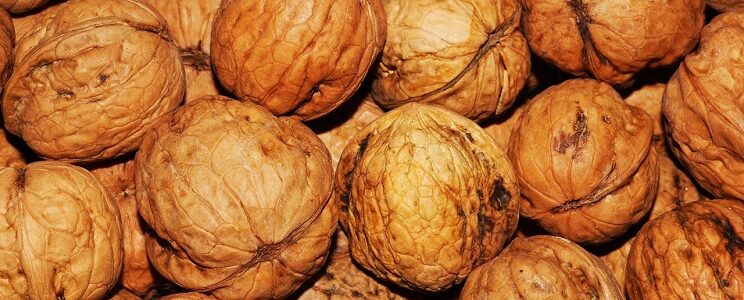
Walnut exports from Ukraine in 2025 fell by 90% compared to the average annual figures for the previous five years, to $9.2 million, according to Gennady Yudin, president of the Ukrainian Nut Association.
“The export security regime introduced in December 2024 established additional control requirements and minimum export prices for shelled and unshelled nuts. This measure effectively halted exports through official channels: shipments of shelled nuts fell by 97% in 2025, and in-shell nuts by 76%,” he wrote on Facebook.
According to the expert, Ukraine is rapidly losing its global leadership in walnut exports, despite its harvest and strategic logistical position. In 2020-2024, Ukraine exported more than 160,000 tons of walnuts worth $461.4 million (an average of $92.2 million per year – IF-U), which accounted for one-third of the horticultural sector’s total foreign exchange earnings. However, in 2025, against the backdrop of record walnut imports to the EU (over EUR 1 billion), Ukraine’s share amounted to only EUR 6.8 million.
At the same time, Ukraine lost its position in the Georgian market, where it had previously been one of the three largest suppliers. In 2025, nut imports from Ukraine to this country practically ceased, while China ($7.9 million) and Uzbekistan ($4.2 million) became the main players.
The head of the association emphasized that while global demand is growing, in particular, consumption in the EU has increased by 75% over the decade, the Ukrainian industry is becoming unprofitable.
Yudin pointed out the need for immediate adjustment of regulatory legislation regarding the preparation of primary documentation for nuts harvested in households. Since more than 90% of the gross walnut harvest in Ukraine comes from private plots, forest belts, and field plantations, the lack of a transparent and simplified mechanism for legalizing such purchases creates “bottlenecks” for official exporters.
The Ukrainian Nut Association emphasized that without solving this problem, legal businesses lose profitability, which reduces the investment attractiveness of the industry and allows new players in the nut market to displace Ukraine from the global market.