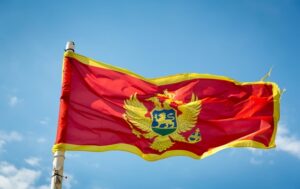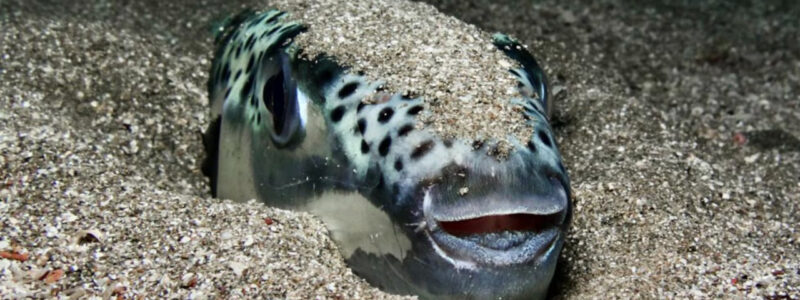
According to Serbian Economist, the silver stickleback—Lagocephalus sceleratus, a poisonous fish that is gradually spreading throughout the Adriatic Sea—is being recorded with increasing frequency in Montenegrin waters.
This species entered the Mediterranean Sea via the Suez Canal and has been moving westward in recent years. Previously, the main populations were more commonly found off the coasts of Greece, Turkey, and Cyprus, but now the fish is regularly spotted in the Adriatic as well, including along the coast of Montenegro.
For the region, this is not only an environmental problem but also an economic one. The silver pufferfish is dangerous to fishermen: its powerful teeth can easily damage fishing lines, tackle, and nets. In addition, the fish can deliver a painful bite, so experts recommend not handling it with bare hands or attempting to gut it yourself.
The main danger is not related to the bite, but to consuming the fish. The tissues and internal organs of the silver pufferfish contain tetrodotoxin—a potent toxin that is not destroyed by conventional heat treatment. Therefore, this fish must not be eaten, sold, or used in cooking.
The spread of the pufferfish illustrates how the Adriatic’s marine ecosystem is changing. Warming waters, changes in the migration routes of marine species, and the connection between the Mediterranean Sea and the Red Sea via the Suez Canal are contributing to the arrival of species new to the region.
For Montenegro, where the coastline is vital for fishing, tourism, and the restaurant industry, this is becoming a new risk factor. Fishermen will have to account for damage to their gear and a possible decline in catches, while tourist areas will need to inform visitors that they should not touch unfamiliar fish, let alone eat them.
https://t.me/relocationrs/3144

Related: