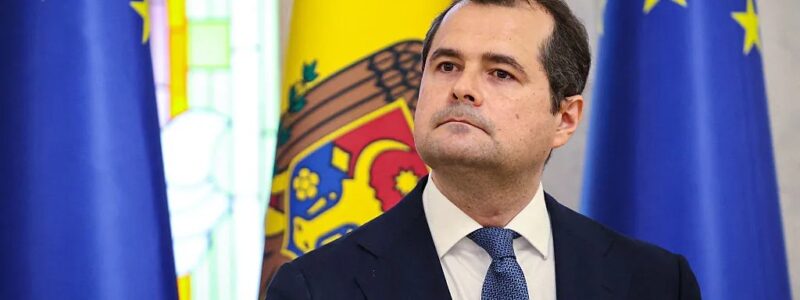
Moldovan Prime Minister Vasile Tofan acknowledges the possibility of rolling blackouts in the country and describes the situation in the energy sector as difficult.
“Perhaps our calls for conservation will be heeded only after the first rolling blackouts. And perhaps it will be difficult for us to bring about such changes until we make the appropriate decision. Some believe it would be wiser not to buy expensive electricity on the exchange but to implement rolling blackouts—that is, a controlled blackout. Then, perhaps, when each of us has to spend half an hour in the evening without electricity, people will better understand the situation, and as a society we will become more economical in our energy consumption,” the prime minister said at a press conference on Thursday.
According to him, the situation in the energy sector remains difficult, and Moldova may lose the ability to purchase even emergency electricity (during peak hours), which it has been buying from Ukraine in recent days.
“Unfortunately, as of August 6, the power supply situation looks very bad—much worse than it is today. And tomorrow, most likely, or very probably, we will not be able to purchase emergency electricity, which costs 2–3 times as much. At least, that is the response we received from Ukrenergo,” Tofan emphasized.
He expressed surprise that on the evening of August 4, despite the government’s calls to conserve electricity, electricity consumption was higher than on the same day the previous week. He suggested that this might be due to objective factors, such as high temperatures.
“Nevertheless, Moldova must change its consumption habits by avoiding the use of energy-intensive household appliances during peak hours, from 7:00 p.m. to 11:00 p.m. I do not rule out that power outages could make us more disciplined in this regard,” Tofan said.
Temporary energy-saving measures during peak hours have been in effect in Moldova since August 4. According to the commission’s decision, government agencies, retail establishments, economic entities, and other categories of consumers are required to take energy-saving measures from 6:00 a.m. to 9:00 a.m. and from 6:00 p.m. to 11:00 p.m.
On July 28, the Moldovan government declared a 30-day state of heightened readiness in the energy and hydrology sectors. This decision was made in light of risks associated with low water levels in the Dniester River.