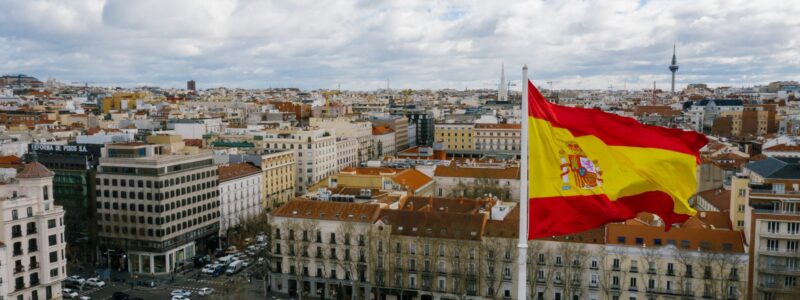
The mayor of Barcelona, Jaume Collboni, has proposed banning citizens of countries outside the European Union from buying second homes in the city, explaining that this is to combat speculative demand amid a protracted housing crisis. This primarily concerns buyers who purchase real estate not for permanent residence but as an investment asset. In February, Collboni himself said that if it were within his power, he would ban British, American, and other non-EU citizens from buying second homes in the Catalan capital.
At the moment, this is only a political initiative and not an adopted norm. At the same time, at the national level, the Spanish government announced in January 2025 its intention to significantly tighten the conditions for purchasing housing for non-residents from countries outside the EU, increasing the tax burden for them to 100% of the property value. This measure also remains a proposal and requires further legislative formalization.
Barcelona’s initiative is part of a broader policy by city authorities to cool the overheated housing market. Earlier, the city had already decided not to renew licenses for short-term tourist rentals, of which there are about 10,101 in Barcelona, after 2028. The authorities explain the tough stance by the fact that over the past ten years, the average rent in the city has increased by 68%, and the cost of purchasing housing by 38%.
According to official data from Idescat, at the beginning of 2025, 1,713,247 people lived in Barcelona, of whom 437,663 were foreigners, or 25.55% of the population. Accordingly, there were about 1.276 million Spanish citizens in the city. At the same time, if we look not at citizenship but at place of birth, according to the city report for 2024, 33.6% of Barcelona’s residents were born outside Spain, and those born directly in Barcelona accounted for only 46.1% of the population.
The largest diasporas in Barcelona by citizenship at the beginning of 2025 were Italian (50,754 people), Colombian (29,574), Pakistani (24,857), Chinese (22,333), Peruvian (22,105), Moroccan (19,300), and French (18,437). The city authorities separately noted that the statistics for Italian citizens also include many people born in Argentina with Italian passports.