
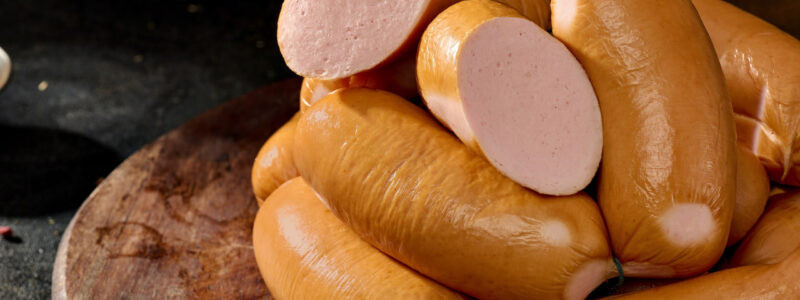
Pork sausages are one of the worst breakfast options for people with high cholesterol, according to nutritionists surveyed by EatingWell.
According to experts, the problem lies not in the fact of having a protein-rich breakfast, but in the combination of two factors: pork sausages are processed meat and contain a lot of saturated fat. It is saturated fats that can contribute to an increase in low-density lipoproteins (LDL), often referred to as “bad” cholesterol.
The publication notes that 100 grams of fried pork sausages can contain about 9 grams of saturated fat. This is a significant portion of the recommended daily limit for an adult on a diet of about 2,000 calories.
Nutritionists emphasize that eggs, long considered a controversial food due to their cholesterol content, do not need to be completely eliminated from the diet for most people. The modern approach focuses more on overall diet quality, the amount of saturated fat, fiber, and the degree of food processing.
Experts advise limiting pork sausages, bacon, and other types of processed meats not only because of saturated fats but also due to their high salt content and processing methods. When combined with white bread, butter, cheese, or fried foods, such a breakfast can place an increased strain on the cardiovascular system.
That said, experts aren’t calling for a complete rejection of traditional breakfasts; instead, they suggest adjusting their composition: adding more fiber-rich foods, opting for leaner protein sources, and reducing the amount of processed meat. Oatmeal, whole grains, legumes, nuts, seeds, vegetables, and moderate egg consumption as part of the overall diet are typically cited as more balanced breakfast options.
High cholesterol remains one of the risk factors for cardiovascular disease. Doctors and dietitians usually recommend that people with this condition discuss their diet individually with a specialist, especially if they have comorbidities or are taking prescribed medications.





