
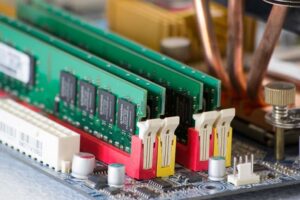
A sharp rise in global RAM (DRAM) prices and the possible end of Apple’s preferential contracts with key suppliers Samsung and SK Hynix in 2026 could lead to higher prices for iPhones, Macs, and other Apple devices. However, Apple itself has not yet announced any price increases, and expert estimates remain forecasts.
According to industry sources, Apple’s long-term DRAM supply agreements are nearing their end, and as early as January 2026, the company may be forced to pay Samsung and SK Hynix significantly higher prices for memory. This is reported, in particular, by Wccftech, noting that the bargaining position of memory manufacturers has strengthened amid a global shortage and a boom in demand from AI data centers.
The DRAM market is already experiencing a massive price rally. According to TrendForce, the cost of advanced memory for 2025 has increased by approximately 50%, and in the fourth quarter, additional growth of about 30% is expected, with a possible further increase of 20% in early 2026. Taken together, this could lead to a doubling of prices for high-performance memory in a relatively short period of time.
Separately, Reuters reported that Samsung raised its contract prices for 32GB DDR5 modules to $239 at the end of 2025, up from $149 in September — an increase of nearly 60% amid worsening shortages and a shift in supply toward the server and AI segments.
Analysts note that Apple is traditionally protected from short-term price spikes thanks to large long-term contracts and purchase volumes. According to Macworld, it is these agreements that have so far allowed the company to keep its internal memory costs under control, despite rising prices on the open market. However, as these contracts expire and suppliers move to shorter-term and more expensive deals, pressure on device costs will increase.
Against this backdrop, some research and industry resources predict that in 2026, smartphone and laptop manufacturers, including Apple, will be faced with a choice: either raise retail prices, reduce the amount of RAM in basic configurations, or accept lower margins. A number of analytical reviews are already warning of a possible increase in the cost of smartphones and PCs in 2026 due to a shortage of memory and an increase in its cost.
At the same time, there have been no official statements from Apple about a planned increase in product prices in connection with the situation on the DRAM market. The industry media experts surveyed emphasize that the final decision will depend on the company’s strategy: part of the cost increase may be offset by more expensive memory upgrades, part by a selective revision of prices for new models, and part by internal reserves and optimization.
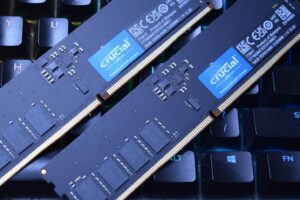
Prices for RAM in Europe and the US have risen significantly, negatively affecting the electronics and computer market. In Ukraine and neighboring countries, this trend is already beginning to take effect, although there is little accurate domestic data available yet.
According to Reuters, Samsung Electronics raised its contract prices for 64 GB and 96 GB DDR5 modules by more than 30% between September and November 2025.
Analysts at Counterpoint Technology Market Research note that global prices for some DRAM chips have risen 3-11 times since the beginning of 2025.
The GameGPU portal reports that in Europe, a 64 GB DDR5 kit sells for around €550, which is significantly higher than the usual level.
TrendForce predicts that memory prices could rise another 30% in the fourth quarter of 2025 and another 20% in early 2026.
There are no accurate statistics for Ukraine at the time of publication, but retailers and dealers note that prices for 64 GB DDR5 kits have risen by tens of percent in recent months.
The increase in memory costs leads to higher prices for computers, laptops, game consoles, and servers. There is already information that manufacturers and sellers in the EU are preparing significant price adjustments for models with high memory capacities.



