
The transition from predominantly theoretical learning to developing independence, responsibility, critical thinking and practical competencies should become one of the priorities in the transformation of Ukrainian education. This was stated by representatives of educational institutions, businesses and students.
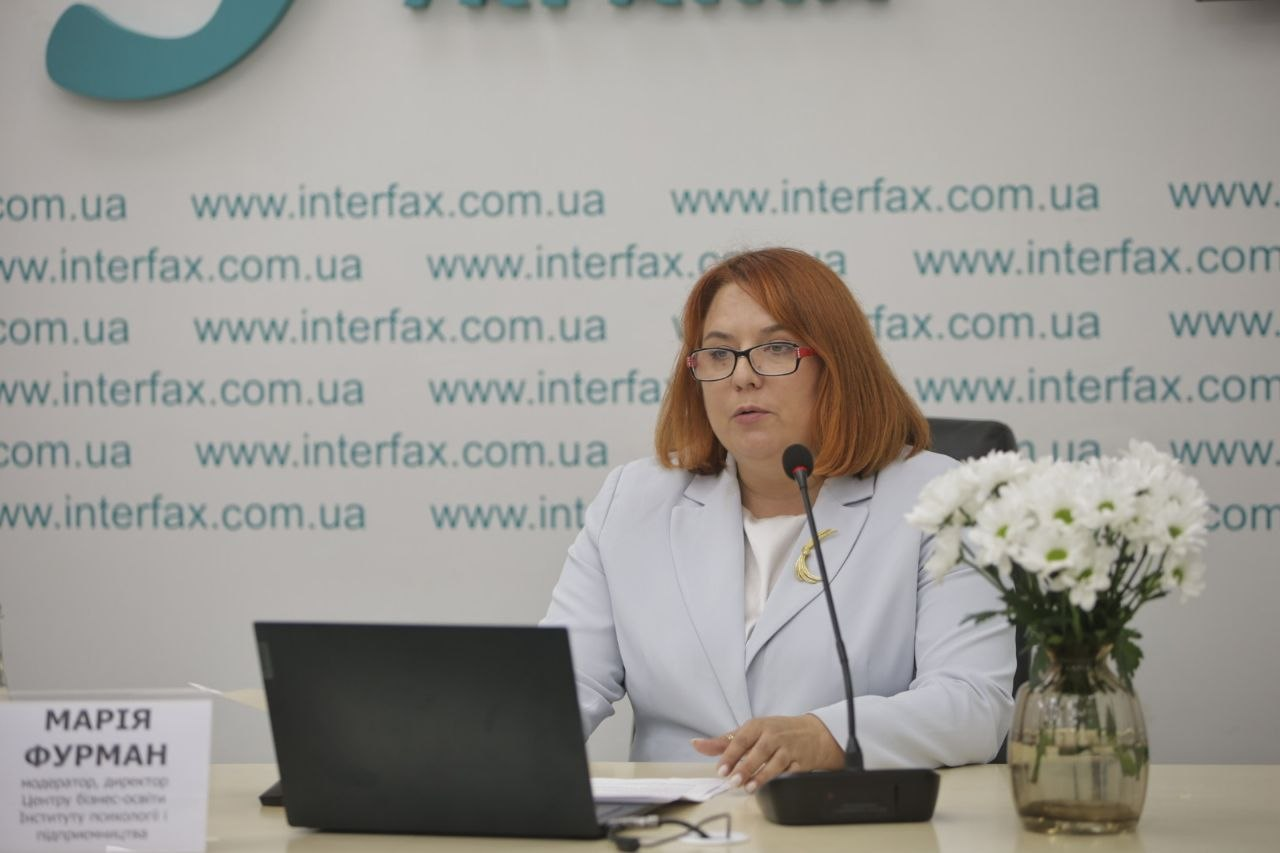
“According to research, 70% of teenagers aged 13–16 cannot name their desired profession, only 3% have internship experience, and 7% have met with career advisers. This is directly linked to the humanistic culture that needs to be instilled in young people. It involves the holistic development of a person through education, work, culture, science, moral responsibility and openness to the world. Our goal is to prepare not only a person who has mastered a profession, but an individual capable of consciously fulfilling their potential in that profession, creating value and contributing to the development of society,” Maria Furman, Director of the Business Education Center at the Institute of Psychology and Entrepreneurship, emphasized at a roundtable discussion at the Interfax-Ukraine news agency on Friday.
Iryna Khomenko, Head of the International Development and Partnerships Department at the Institute of Psychology and Entrepreneurship (IPP), in turn, emphasized the importance of a humanistic and ontopsychological approach to education and personal development.
“The transfer of knowledge is a fundamental, but not the only, task of education. Secondary and higher education institutions work with individuals during the period when their identities are being formed, when their perceptions of themselves, their own capabilities, and their professional and life orientations are taking shape. And responsibility for this process extends far beyond the development of professional competencies,” she added.
Tetiana Harets, Director of the Professional College of Management and Psychology, linked teenagers’ communication difficulties to the war and distance learning. The college currently operates the Start Week and Team Challenge programs, project-based learning using EduScrum and Agile approaches, the IPP COIN motivation system, while students create a mini-company in the OpenSpace business laboratory.
“A traditional report card simply shows the grades a student receives in an academic subject. It says nothing about whether the student has learned to coordinate people’s actions, make decisions, respond to feedback or take responsibility for a shared result. That is precisely why we created an individual student portfolio – a chronological account of a person’s development, rather than just a folder of certificates,” Harets explained.
Oleksandr Strukov, Head of Sales at the DMNTR media holding company, noted that companies can teach technical skills but expect candidates to have communication skills and a willingness to develop.
“If we talk about what exactly businesses want from candidates, it is now far from being only about technical aspects. It is about leadership potential, personal resource potential and soft skills. I am convinced that no business can function without communication,” the employer emphasized.
Entrepreneur Yurii Skilskyi, a partner of the BOARD community in Kolomyia, identified initiative, learning, stress resilience and responsibility as key factors in the development of modern education and called for stronger business mentorship.
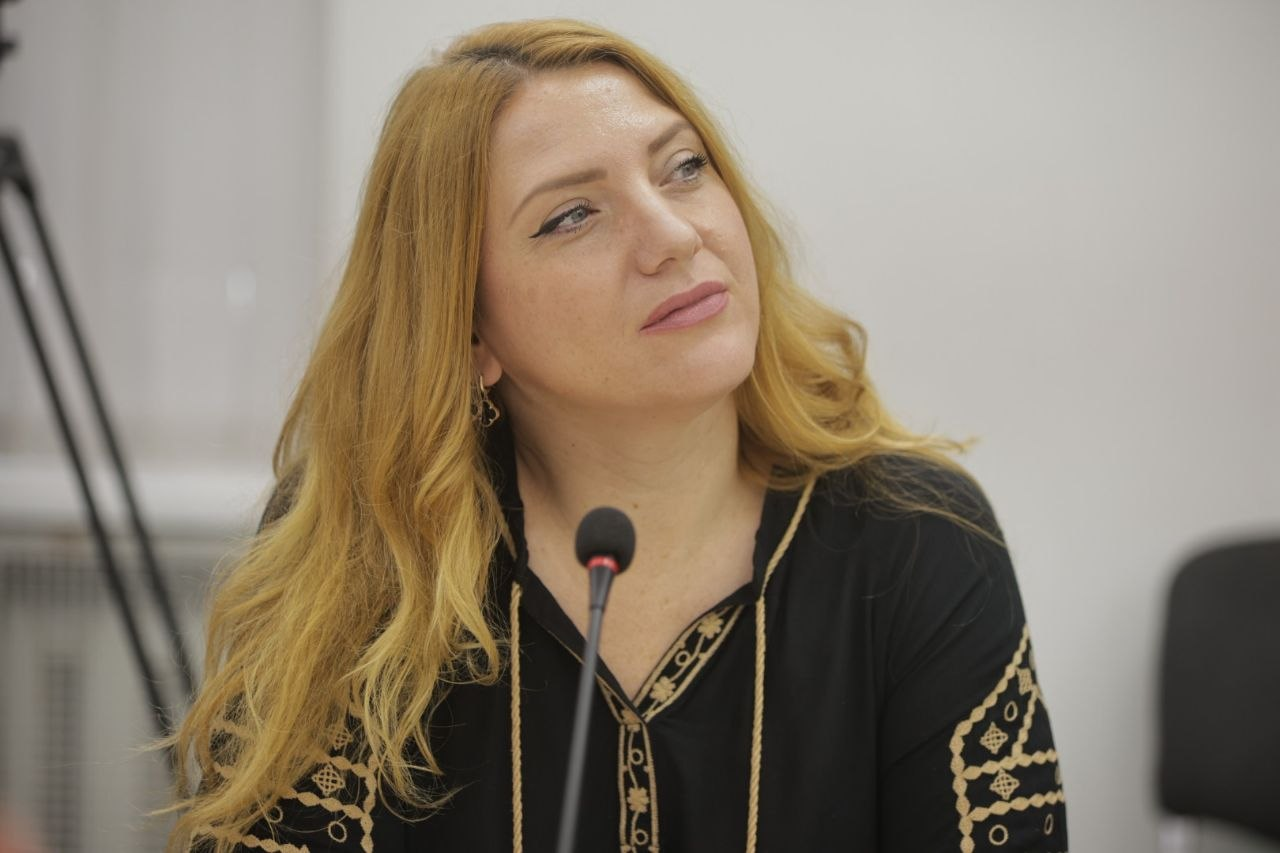
“I suggest that business representatives visit young people more often and share their experience. Visits to companies can be organized so that they can see everything with their own eyes. For us as entrepreneurs, it is important to support young people and unlock their potential,” Skilskyi emphasized.
In turn, Olha Bondarenko, HR Director of a technology holding company, highlighted the desire for development, independent thinking, responsibility and the ability to create value. She added that in the defense technology industry, the security of the country may depend on an employee’s decisions.
“Responsibility is formed primarily through practical experience, through the opportunity to make a choice, through the need to make a decision, through awareness of its consequences and, of course, through mistakes. But here I want to draw a clear line: the right to make a mistake is not the right to be irresponsible. A mistake becomes experience when you are able to acknowledge it, analyze it and change your subsequent actions,” the specialist emphasized.
Tetiana Spivakovska, Candidate of Economic Sciences, Associate Professor at IPP and Deputy Director of the Sofia Academy in Dubai, reported that, thanks to the recognition of learning outcomes obtained abroad, the academy had managed to integrate more than 30 pupils into the Ukrainian education system within a year.
“For Ukrainian higher education institutions, this means a fundamental change in the competitive environment. They are now competing for young people in the global educational space. It is necessary to create unique educational offerings, ensure high-quality teaching, develop international partnerships and modern infrastructure,” Spivakovska said.
Nataliia Shumska, Head of the 3S AGENCY recruitment agency, warned against replacing independent thinking with the search for ready-made answers. According to her, the IPP publishing project translated and published five books by Antonio Meneghetti in Ukrainian over the course of a year.

“Today, students can obtain a significant portion of information independently. Artificial intelligence can explain a complex topic, prepare notes, write an essay – these are enormous opportunities. But if thoughts, arguments or conclusions are increasingly formulated for a person, do they not risk gradually losing the habit of doing this independently?” Shumska added.
IPP students Anna Sytnyk and Nataliia Kozlovska spoke about practical work and mentorship. Kozlovska, who also mentors first-year college students, emphasized the significance of ontopsychological pedagogy in working with young people.
“It seems to me that the task of education is not simply to give a person knowledge, but also to help them better understand themselves. Especially at a young age, we do not always fully understand what we want, what our strengths are and where we can realize our potential. That is why it is important for education to provide not only theoretical knowledge, but also opportunities to try ourselves in different fields, work on practical tasks, make decisions and see the results of our work,” the student noted.
IPP graduate Serhii Andriichenko, Head of Development and Innovation at 3S AGENCY, highlighted the Work and Study program, which combines education with employment, and emphasized the value of the educational community.
“The institute develops a new generation of leaders, but a leader cannot be developed through lectures alone. A leader is shaped by the environment. This includes the Work and Study program, a theoretical foundation, face-to-face meetings with entrepreneurs, elective classes, professional events, activities and the student community,” he emphasized.
In conclusion, Maria Furman announced the IPE Leader 2027 international platform, featuring a year-long program of more than 20 events for young people, educators and businesses.
“This is an international platform that brings together education, business, science, leadership and humanistic culture. We invite young people, as well as representatives of business, culture and science, to join this platform. It is a large year-long program that will include intellectual activities and lectures by scientists, speakers and teachers from the business sector,” Furman said.
According to her, a hackathon for young people aged 15 and over is scheduled for October 23–24, while the Ukrainian Leadership Forum will begin in November. Its participants will propose social projects for schools and communities, form teams and present their results in May 2027. The IPE Leader 2027 Awards, covering ten categories for young people, scientists, philanthropists and businesses, have also been announced for May.
The platform is scheduled to open on October 23. The organizers invite attendees, speakers, companies and non-governmental organizations willing to support youth initiatives.
EDUCATIONAL TRANSFORMATION, HIGHER EDUCATION, IPE LEADER 2027, Labor market, YOUTH