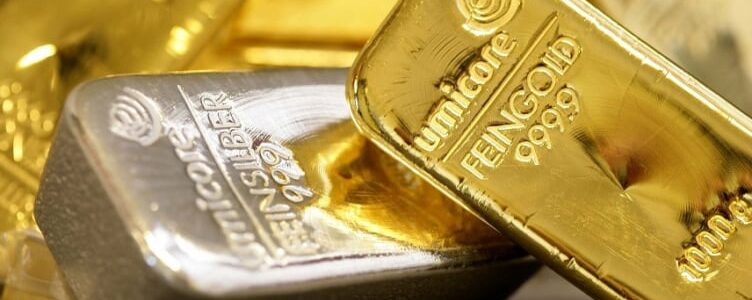
The gold market entered a phase of rapid acceleration in January 2026, with prices repeatedly hitting historic highs during the month and, for the first time ever, firmly settling above $5,000 per troy ounce. On January 26, the spot price rose to $5,110.50, with growth since the beginning of 2026 estimated at approximately 18%.
A key feature of the current movement is that it formed in “stages” on the wave of news triggers and demand for defensive assets. In the middle of the month, gold hit a record high of around $4,641 amid a combination of geopolitical uncertainty and expectations of a softening of Fed policy. Then, on January 19, gold and silver rewrote their highs after a surge in the flight to safety amid discussions about Greenland and tariff signals from the US. By January 23, gold had risen to around $4,988, and on January 26, the market crossed the psychological threshold of $5,000 and accelerated to $5,110.
The fundamental drivers of the January rally are as follows:
1) Politics and geopolitics. Investors are paying a higher risk premium due to foreign policy and trade signals from the US administration, as well as general market nervousness. Reuters directly links the surge in gold to growing demand for a “safe haven” amid volatility and geopolitical factors.
2) Currencies and interest rates. The weakening of the dollar and expectations of lower interest rates supported gold as a non-yielding asset (an alternative to bonds), especially against the backdrop of expectations of the Fed’s decisions at the end of January.
3) Central banks. Purchases by regulators remain high: the World Gold Council estimated net purchases by central banks at 45 tons in November, with total purchases for January-November at 297 tons.
4) Investment flows and “new” large buyers. Demand from atypical players is emerging in the market: for example, Tether reported purchasing about 27 tons of gold in the fourth quarter of 2025.
Possible scenarios for the near future look diverse.
The market is focused on US macro statistics and the trajectory of Fed policy: any signals of tighter rates could trigger a correction after rapid growth. At the same time, the “rally continues” scenario remains in place if the risk premium remains high and demand from central banks remains stable. Against this backdrop, investment houses are already raising their targets: Reuters reported that Goldman Sachs has raised its gold price forecast for the end of 2026 to $5,400 per ounce and expects central banks to continue making significant purchases.
The baseline scenario for the market in the near future is high volatility with a continuing upward trend: January’s rapid growth increases the likelihood of pullbacks “on the news” and profit-taking, but structural factors (diversification of reserves, geopolitical risks, demand for hedging) still appear to be stronger.
Earlier, the Experts Club analytical center released a video on gold production by the world’s leading economies from 1975 to 2024 – https://youtube.com/shorts/DWbzJ1e2tJc?si=BT8LW70pzdJThvqN
https://expertsclub.eu/rynok-zolota-v-sichni-2026-uvijshov-u-fazu-rizkogo-pryskorennya-experts-club/

Related: