About 11–12 million people living in the territory controlled by Ukraine may be below the poverty line if the World Bank’s latest estimate of the share of the poor population is applied to current demographic estimates.
According to data from the Experts Club information and analytical center and the World Bank’s spring study, *Monitoring Living Conditions in Ukraine*, the poverty rate in Ukraine in 2025 was estimated at 41.6% of the population, compared with 37% in 2024. This figure has effectively doubled compared with 2021.
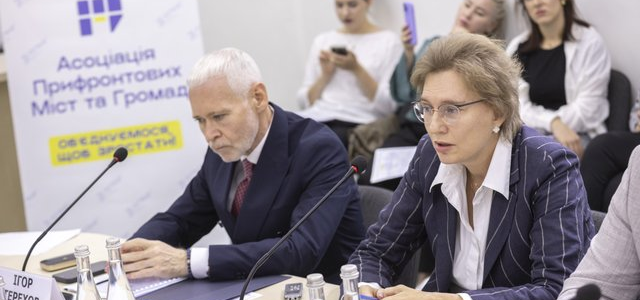
Olha Holubovska, president of the All-Ukrainian Association of Infectious Disease Specialists, noted during a roundtable discussion at the Interfax-Ukraine agency that this is no longer merely a decline in living standards, but a population living below the established poverty line and increasingly unable to finance medical treatment independently.
To convert this indicator into absolute figures, it is necessary to take into account that there is no exact current population figure for Ukraine because of the war and the absence of a census. According to an estimate by the Ptoukha Institute for Demography and Life Quality Studies of the National Academy of Sciences of Ukraine, approximately 27–29 million people lived in government-controlled territory in the summer of 2026.
If the poverty rate of 41.6% is conditionally applied to this range, the result is between 11.2 million and 12.1 million people.
This figure is an estimate rather than the official number of poor people as of September 2026, since the World Bank indicator relates to 2025, while the population estimate relates to 2026. Nevertheless, it demonstrates the real scale of the problem.
The World Bank calculates the indicator based on the actual subsistence minimum published by the Ministry of Social Policy and household survey data. At the same time, the bank notes not only an increase in poverty but also growing inequality: the Gini coefficient rose from 0.44 in 2024 to 0.50 in 2025. The real earned income of the poorest 20% of households fell by more than 30%, while it increased among the wealthiest groups.
At the same time, the financial resilience of families continues to deteriorate. At the end of 2025, about 17% of households were already borrowing money to cover basic expenses, approximately the same proportion were unable to pay utility bills on time, and the share of families forced to sell property to finance everyday needs increased.
Families with children, pensioners, internally displaced persons and residents of frontline territories remain particularly vulnerable.
Ukrainian MP Lesia Zaburanna noted during the roundtable discussion that the consequences of rising poverty are already visible not only in frontline regions but also in Kyiv, where residents are reducing spending on food, medical treatment and providing for their children.