Around $680 billion in financing annually is needed to transform global agrifood systems by 2030, but the effectiveness of international programs will depend not only on the amount of funding, but also on farmers’ and agribusinesses’ access to finance, markets and economic incentives.
According to SEEDS, financing issues were discussed in Rome during the FAO Global Conference “Actions in One Health in Agrifood Systems,” which took place on September 21–23 and was dedicated to implementing the One Health approach in agrifood systems.
According to FAO estimates, the annual financing requirement for the transformation of agrifood systems in low- and middle-income countries amounts to around $680 billion. Of this amount, approximately $425–426 billion should go directly to investments, with another approximately $255 billion allocated to social protection systems.
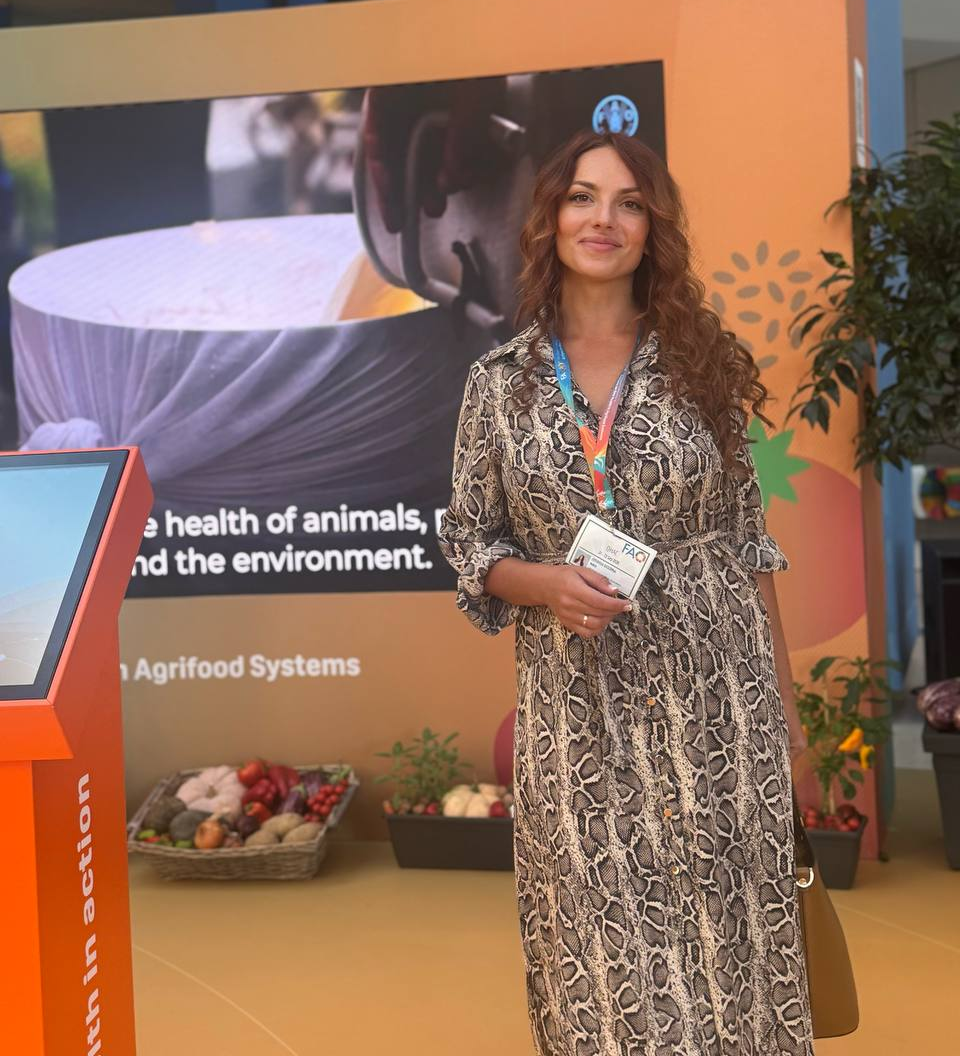
International expert on sustainable agriculture and agrifood systems and founder of Sapienza.media Kateryna Zvierieva, who participated in the conference, stressed that the volume of international financing alone does not guarantee results if resources do not reach direct producers.
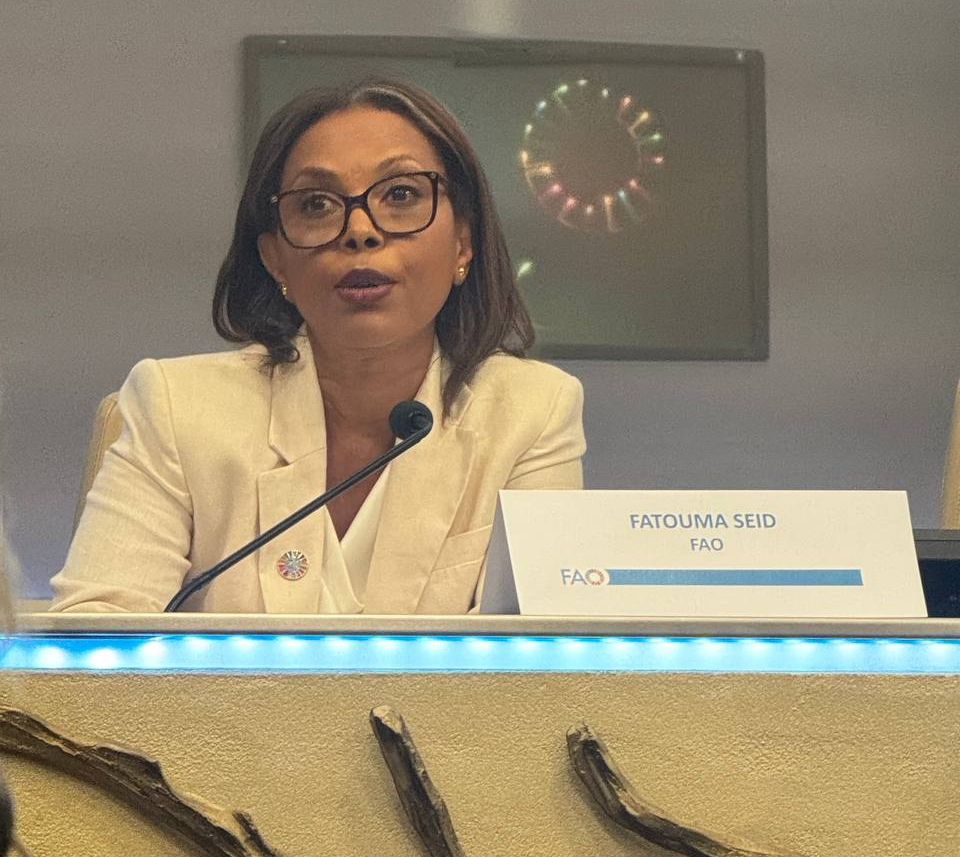
“We can develop effective environmental and veterinary solutions, but they will not become widespread practice if the farmer does not have access to financing, sales markets and economic incentives for their implementation,” she said in a comment to SEEDS.
Rwanda became one example of effective fundraising. About $25 million in financing from the Pandemic Fund was accompanied by the mobilization of approximately another $160 million in additional resources and related investments. The program is aimed at strengthening epidemiological surveillance, early warning systems and coordination between human and animal health services. FAO, WHO and UNICEF are involved in its implementation.
During the conference, programs in Zimbabwe and Afghanistan were also discussed, where the One Health approach is used to combine veterinary safety, healthcare, food security and support for agricultural production. Participants stressed that animal diseases, climate risks and water-related problems often extend beyond individual states and require regional investment programs.
The reduction of international assistance remains a separate problem. Representatives of the European Commission drew attention to the need to involve the World Bank, IFC, the International Fund for Agricultural Development and private capital more broadly in financing, since grant resources are insufficient for a large-scale transformation of the agricultural sector.
For Ukraine, these approaches are particularly important due to the need to simultaneously restore agricultural production, infrastructure, the veterinary system and water resources, as well as adapt the sector to EU standards.
According to Zvierieva, international programs should be accessible not only to large institutions, but also directly to agricultural enterprises, cooperatives and small producers. Farmers, in her opinion, should be involved in the development of such programs already at the planning stage, since it is they who can assess the real cost of introducing new technologies and the economic risks for farms.
FAO also emphasizes that without the involvement of the private sector, financial institutions and direct producers, it will be impossible to overcome the global financing gap in agrifood systems.
Source: SEEDS — “$680 billion for the transformation of agrifood systems”