
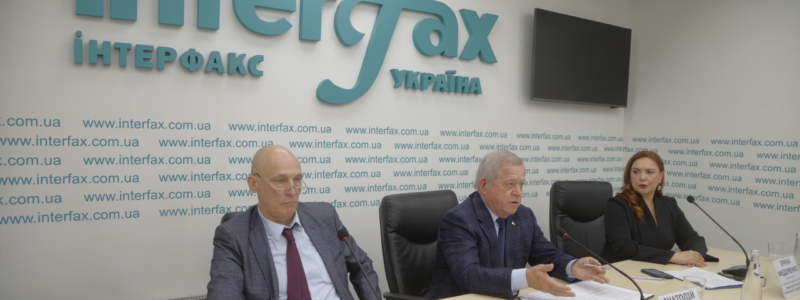
To restore Ukrainian industry, it is necessary to change approaches to bank lending, introduce effective mechanisms for insuring war risks, and establish a system of long-term project financing to attract private capital. This was stated by Anatoliy Kinakh, President of the Ukrainian League of Industrialists and Entrepreneurs (ULIE), and Serhiy Volkov, President of the Ukrainian National Mortgage Association.
The ULIE president emphasized that, amid Russian aggression, industry faces not only the destruction of production facilities and energy infrastructure but also a shortage of accessible financial resources. In his assessment, signs of stagnation in the Ukrainian economy have been intensifying since the second half of 2026, particularly in metallurgy and the agricultural-industrial sector.
“Especially since the second half of 2026, there have been all the signs of stagnation in our economy. According to the results of the third quarter, Ukraine’s GDP declined by 1.7% compared with the same period last year. At the same time, according to the National Bank’s forecast, consumer inflation could reach 12.5% by the end of the year,” Kinakh emphasized at a press conference at the Interfax-Ukraine news agency on Monday.
According to the figures presented, the ratio of total loans to Ukraine’s GDP is approximately 14-15%, while performing loans account for 7-8%. By comparison, he estimated the average loan-to-GDP ratio in the European Union at approximately 80%. He cited expensive loans and the high yields on the NBU’s certificates of deposit as the reasons. According to his assessment, approximately UAH 725 billion has accumulated in certificates of deposit, while enterprises face an acute need for working and investment capital.
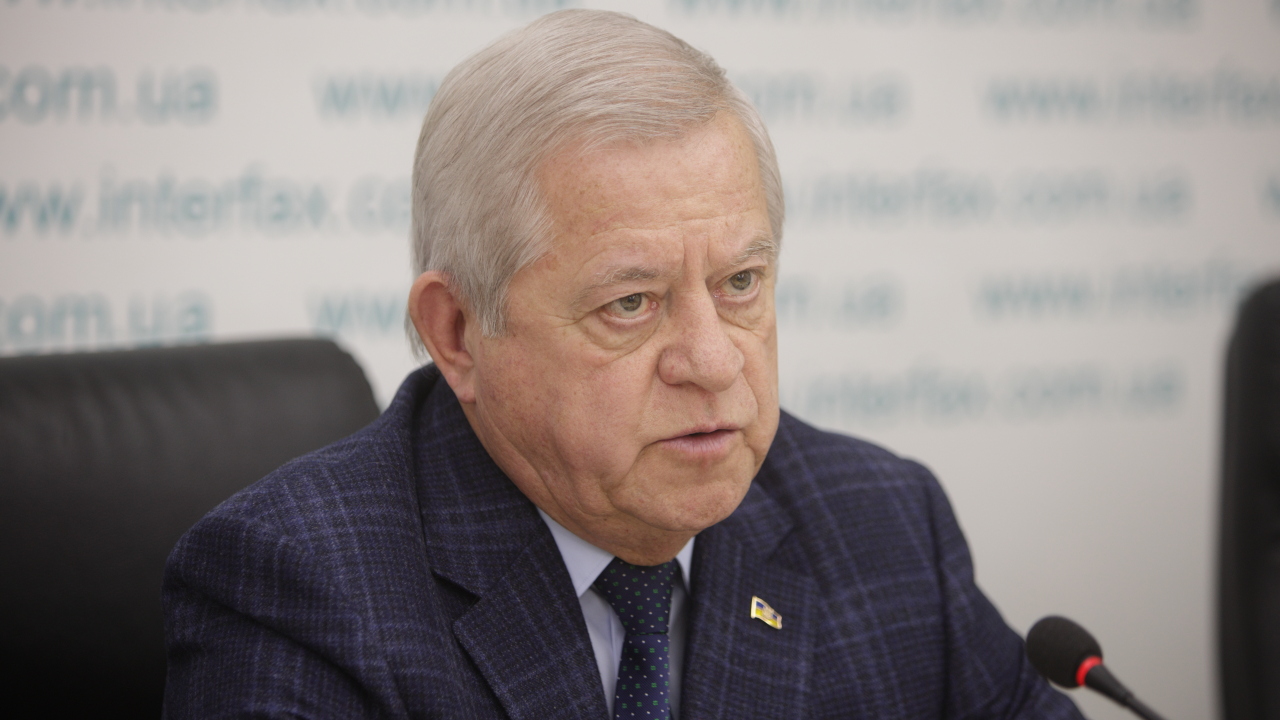
Anatoliy Kinakh also drew attention to the growing foreign trade deficit and the predominance of raw materials in exports, which, in his opinion, increases dependence on imports. Kinakh called for an industrial and innovation-based economic model, involving the development of processing industries and the creation of jobs within the country, to become the foundation of reconstruction.
“Millions of Ukrainians who are forced to remain abroad will practically not return to the raw-material-based economy that has already formed in Ukraine. A raw-material-based economy does not generate modern jobs, modern levels of remuneration, or a modern quality of life for citizens,” he noted.
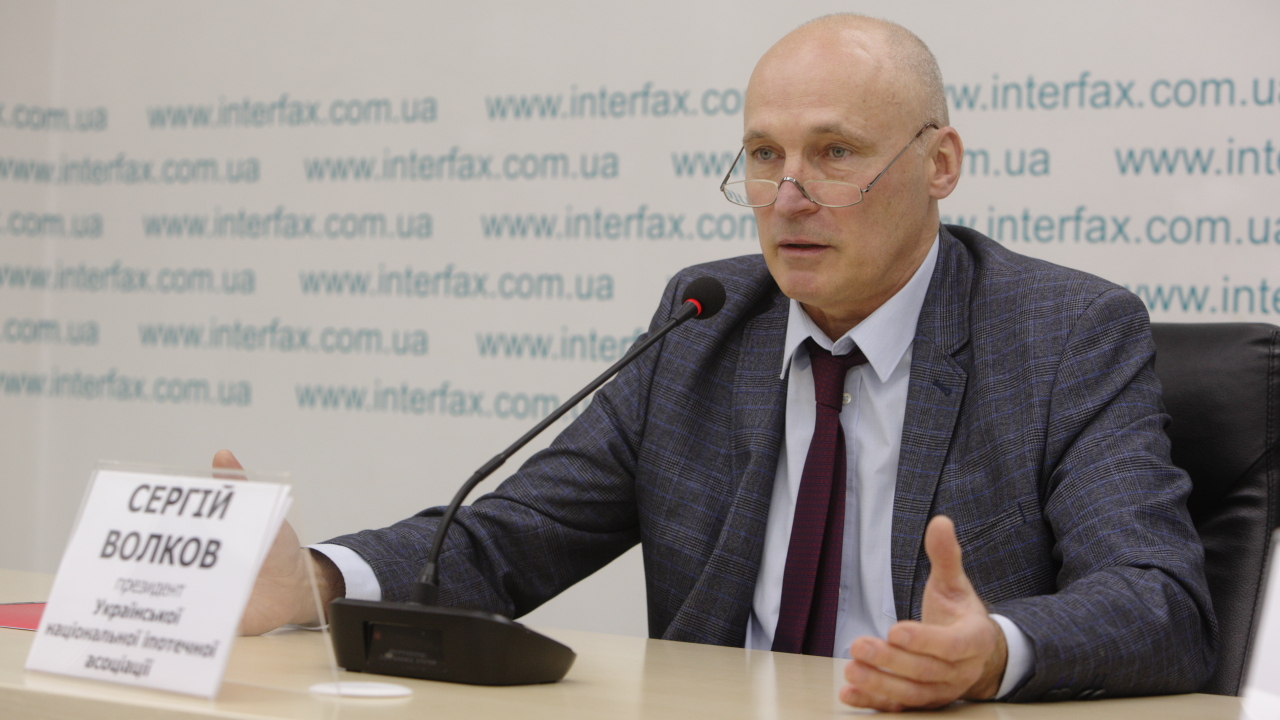
Serhiy Volkov, for his part, noted that even as lending volumes increase, most bank funds are directed toward enterprises’ current needs rather than the creation of new production facilities. According to him, lending has grown by approximately 30% since the beginning of the year, but the share of loans for capital investment is around 14%. In his assessment, the Affordable Loans 5-7-9% program has the same focus.
Referring to estimates by the World Bank and the European Commission, Volkov reported that Ukraine’s total recovery needs are estimated at $588 billion, including approximately $63 billion for industry and $90 billion for the housing sector. At the same time, according to him, international partners expect approximately 40% of the necessary expenditure to be financed from private investment sources. However, mechanisms for financing specific projects are needed to channel these funds.
“Capital projects require very substantial financing today, but they will generate returns only years later. Ukraine virtually lacks a comprehensive system of project financing. This is precisely the banking instrument needed to achieve the goals facing the country,” he noted.
As an example of a systemic problem, he cited housing construction, where there is no coordinated mechanism for risk allocation. According to the World Bank estimate he cited, before the full-scale war, buyers financed up to 80% of capital investment in housing construction through advance payments, whereas their share has now fallen to approximately half. Developers are forced to contribute more of their own capital, while the share of bank lending in construction remains below 1%, according to Serhiy Volkov.
“Banks explain their position quite rationally. Developers are often insufficiently capitalized, financial flows are opaque, and the risks of different projects are mixed on a single balance sheet. They cannot be properly assessed from the perspective of financing an individual project,” he explained.
The project financing model proposed by Volkov envisages the simultaneous use of five instruments: protected escrow accounts for buyers’ or investors’ funds; the establishment of a separate project company for each property or facility; the provision of a bank project loan; independent engineering supervision of construction work; and a fund or mechanism for resolving distressed projects. Funds from escrow accounts should be released after completion of the relevant stages of work has been confirmed, while financial flows should be kept separate.
“The bank should assess only the specific project, its financial model, and its cash flows. The developer’s own balance sheet becomes secondary. Any developer can obtain financing for a high-quality project, but only when all five instruments operate simultaneously,” the association president emphasized.
In Serhiy Volkov’s opinion, such a system can be used not only in the housing sector but also in industry, energy, and transport infrastructure. It is intended to ensure control over the designated use of funds and the allocation of risks. At the same time, its implementation requires legislative changes and a transitional period: according to the example of Poland cited by the expert, preparation and the transition to a similar system took several years.
The participants paid particular attention to war-risk insurance. Anatoliy Kinakh reported that the ULIE and Ukraine’s Anti-Crisis Resilience Headquarters had repeatedly submitted proposals to the government, the NBU, and parliament concerning guarantees for investors, incentives for lending to priority industries, and tax incentives for modernization. In his assessment, existing war-risk insurance initiatives do not match the scale of the problem and require further development.
“We have presented our proposals repeatedly, both to the government and to the National Bank. We are talking about risk insurance, a system of guarantees, and, especially in wartime, the creation of a modern system of war-risk insurance. We will continue to elaborate on this issue and persistently propose that it be considered comprehensively,” Kinakh stated in response to questions from participants.
During the discussion, Serhiy Volkov also called for a review of the structure of government lending programs, particularly eOselia, in order to develop mechanisms for refinancing mortgage portfolios, mortgage bonds, and securitization. He proposes targeted subsidies for vulnerable groups and the construction of social rental housing for internally displaced persons (IDPs). Kinakh linked housing programs to demographic policy and the return of Ukrainians.
“Offering mortgages to everyone is a fantasy; it will not happen. Even at a zero interest rate, the loan still has to be repaid. We now need to move toward the large-scale construction of social rental housing,” he noted.
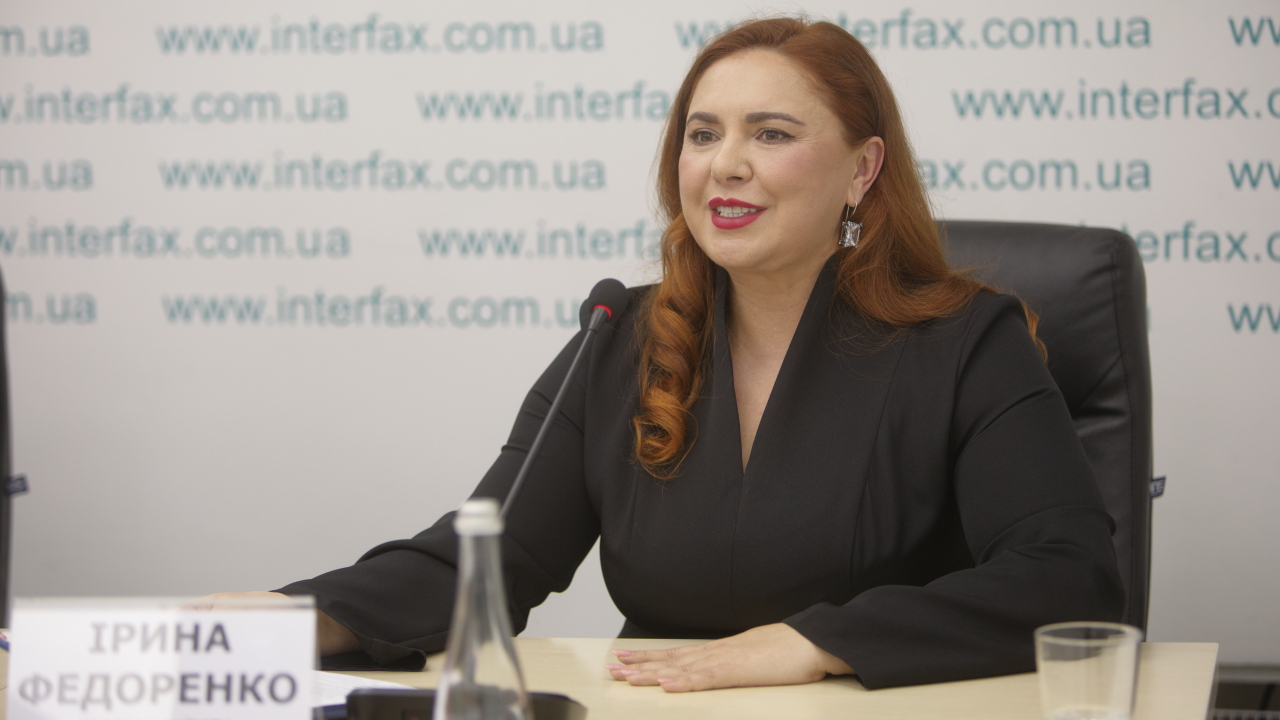
The moderator of the press conference, Iryna Fedorenko, Chair of the ULIE Committee on Financial and Legal Affairs, reported that the discussion was part of a series of events ahead of open nationwide hearings scheduled for December 11 in Kyiv. Based on their results, the participants intend to prepare an appeal to the President of Ukraine, the National Security and Defense Council, and relevant government bodies, containing proposals on financing reconstruction, improving state economic policy, and intensifying the work of the National Council for Ukraine’s Recovery.




