According to Serbian Economist, Albania is stepping up tax oversight of the short-term rental market, which has become one of the country’s fastest-growing segments of the tourism real estate sector in recent years. The tax administration has launched a sectoral plan for the tourism sector through 2026, under which the activity of property owners on Airbnb, Booking.com, and other platforms will be cross-checked against tax returns.
In essence, Albania is becoming one of the first countries in Europe to transition tax oversight of short-term rentals via digital platforms to an automated format using artificial intelligence. This makes the country a regional test case for stricter control over revenue from tourism real estate.
The main tool of the new control system will be an AI-based automated monitoring system. Algorithms will scan the Albanian segments of Airbnb and Booking on a weekly basis, analyzing nightly rates, price trends, actual occupancy rates, booking calendars, as well as the number and dates of guest reviews.
Private homeowners renting out one or more apartments through Airbnb and Booking are not required to register as sole proprietors, but must file an annual individual DIVA tax return and pay income tax at a rate of 15%. The tax is calculated on net income after deducting the platform’s commission. Separate clarifications regarding new obligations for short-term rentals starting in 2026 also highlight the use of DIVA as a digital system for reporting individual income.
The authorities are paying special attention to VAT. In Albania’s tourism sector, a reduced rate of 6% applies instead of the standard 20%, but it may only be applied by properties that have passed a physical inspection and received an official classification certificate from the Ministry of Tourism. If an owner applies the 6% rate without such a certificate, the tax authority may retroactively assess VAT at the full 20% rate, along with fines and penalties.
Another requirement concerns cashless payments. By May 30, 2026, all accommodation facilities in Albania, including hotels, hostels, campgrounds, and certified guesthouses, must install physical POS terminals to accept payments. At the same time, the limit on cash transactions between commercial entities has been reduced from 150,000 to 100,000 lek.
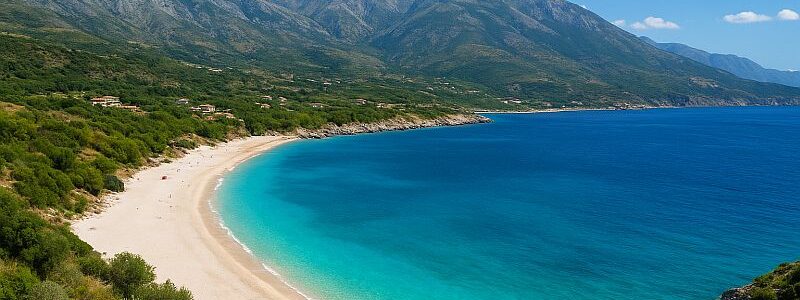
For the real estate market, this marks the end of a period of lax oversight of income from short-term rentals. In recent years, Albania has experienced an investment boom in resort real estate, particularly along the coast, where buyers have relied on income from tourist rentals.
But now, the profitability of such properties will increasingly depend not only on occupancy and price, but also on the owner’s tax compliance.
For foreign investors, the new rules mean they must consider the property’s tax model in advance.
The Albanian model reflects a broader trend in the region. Montenegro is also tightening control over payments and taxes in the real estate and tourism sectors, but Albania is taking the next step—using digital monitoring and AI to compare actual activity on platforms with tax reporting.