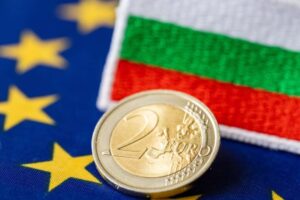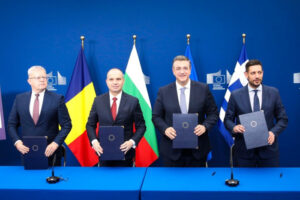
In Bulgaria, amid the transition to the euro, some of the population remain concerned about possible price increases and heightened political tensions, according to media reports.
The country will join the eurozone on January 1, 2026, becoming the 21st country to adopt the single European currency.
There are also reports of a protest campaign under the slogan of preserving the Bulgarian lev, and according to Eurobarometer, about 49% of Bulgarians oppose the introduction of the euro.
The article notes that the ECB and European institutions point to the potential benefits of the transition, and the fixed conversion rate is set at 1.95583 leva per euro.
At the same time, according to media reports, the Bulgarian parliament strengthened control mechanisms in the summer to stop unjustified price increases when the currency changes.
Possible scenarios for the rise in the cost of living due to the introduction of the euro: the mildest scenario is a short-term “rounding” effect in retail trade, when some prices are rounded up, which usually contributes slightly and temporarily to inflation.
A more severe scenario is attempts by individual sellers and services to take advantage of the transition period and raise prices more than the conversion dictates, against the backdrop of already noticeable increases in the cost of food and real estate in 2025.
A negative scenario for citizens is if the rise in prices in the consumer basket outpaces the indexation of wages and pensions, real purchasing power will temporarily decline even with a formally small increase in inflation.