PJSC “Kryukiv Railway Car Building Plant” (Kryukiv Car Plant, Poltava region) ended the first quarter of 2026 with a loss of UAH 47.56 million, whereas for the same period in 2025, net profit amounted to UAH 3.34 million.
According to the company’s interim report published in the NSSMC’s disclosure system, its net revenue fell threefold to UAH 371.12 million.
Exports (to Lithuania) were insignificant (0.46% of total sales).
KVBZ reported a gross loss of UAH 7.5 million compared to a profit of UAH 74.1 million a year earlier, and the loss from operating activities exceeded last year’s figure by 5.5 times—to UAH 70.1 million.
Uncovered losses as of April 1, 2026, amounted to nearly UAH 279 million. KVBZ’s current liabilities reached UAH 3.55 billion, while long-term liabilities stood at UAH 150.9 million.
According to the plant, it sold 74 freight cars in the first quarter, including 61 units in March (3 in January and 10 in February).
The main customers were private companies purchasing freight cars to transport grain crops, petroleum products, and large-sized containers.
According to the company, in January–February (March data is not yet available), KVBZ ranked third among Ukraine’s railcar manufacturers with a 20.3% market share (railcar manufacturers supplied a total of 64 railcars to the market over the two-month period), while the leaders among private enterprises remain DMZ “Karpaty,” KVBZ, and “TAS Dniprovagonmash.”
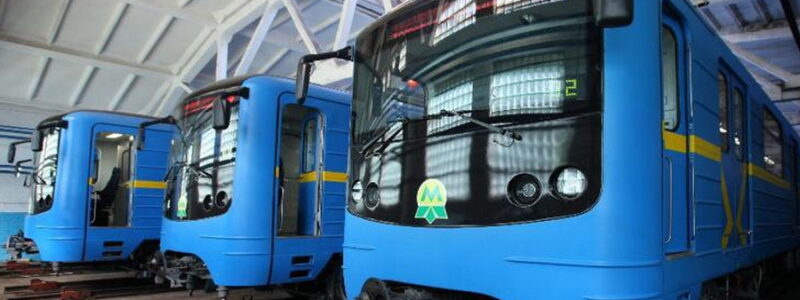
In January–March, the plant overhauled electric train EKr-1-001, continued repairs on a diesel train, and manufactured passenger cars for Ukrzaliznytsia, which were delivered in April.
At the same time, KVBZ emphasizes that in the first quarter, the Ukrainian freight transportation and railcar manufacturing market remained in a difficult situation, due to military operations and economic difficulties in Ukraine, particularly the decline in industrial production, primarily in the mining and metallurgical sector.
“The decline in exports of ore and metal products due to limited port capacity and logistical complications directly contributed to a reduction in the freight base; existing infrastructure constraints (despite the partial stabilization of maritime corridors, the risks associated with their operation remained high, which held back long-term transport contracts and investments in the purchase of new railcars),” the report notes.
However, according to KVBZ’s assessment, the first signs of stabilization began to appear as early as the end of the quarter, in particular due to the gradual resumption of agricultural exports and the adaptation of logistics routes, which created the conditions for a possible market recovery in the coming periods.
In particular, the plant notes that 3.3 million tons of grain cargo were transported by rail in March—11.4% more than in February 2026 and 36.9% more than in March 2025. The volume of grain shipments in the first quarter increased by 3% to 8.5 million tons.
In export traffic, 2.7 million tons were transported in March—9% more than in February 2026 and 35% more than in March 2025.
According to the company, the market for new freight cars could also be “revitalized” by the decision of the Supreme Court of Ukraine dated February 25 of this year, which upheld the 2021 order of the Ministry of Infrastructure providing for a phased reduction of the maximum service life of freight cars. Ukrmetallurgprom had demanded the order’s repeal.
KVBZ manufactures passenger and freight cars, regional diesel trains, high-speed interregional locomotive-hauled trains, spare parts and bogies for freight cars, and escalators.
As reported, in 2025, the company saw its net revenue decrease by 30.5% compared to 2024—to 2.6172 billion UAH—and recorded a net loss of 184.5 million UAH, whereas in 2024, net profit amounted to 81.1 million UAH. A total of 143 freight cars and 51 passenger cars were sold.