
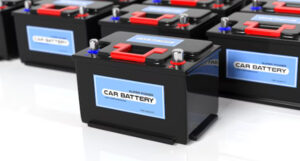
Imports of electric batteries and separators to Ukraine in January–November 2025 increased by 52% compared to the same period last year and amounted to $1.232 billion, according to the State Customs Service.
China remains the main supplier, accounting for $900.2 million (73.2% of the total volume), followed by Vietnam ($96.7 million, 7.9%) and Taiwan ($54.2 million, 4.4%). For comparison, in 2024, China accounted for 83.2% of imports, while the Czech Republic and Bulgaria accounted for 2.8% and 2.7%, respectively.
In November 2025, battery imports grew by 43.6% compared to November 2024, reaching $177.7 million, which is also 22.6% higher than in October.
At the same time, Ukraine exported batteries worth $47.6 million, which is 26% more than a year earlier. The largest buyers were Poland (32.7%), Germany (13%), and France (11.5%).
The increase in imports of battery systems is explained by steady demand from energy companies, telecom operators, and household consumers, as well as the effect of state subsidies for battery imports, approved in July 2024.
By the end of 2024, total imports of batteries to Ukraine had more than doubled to $950.6 million, and in 2025, they continue to grow rapidly thanks to the modernization of the energy system and the development of the market for autonomous power sources.

Imports of electric batteries and separators to Ukraine in January-October 2025 increased by 53.4% year-on-year to $1.060 billion, according to the State Customs Service.
The largest suppliers were China with $740.6 million (70.2%), Vietnam with $96.2 million (9%), and Taiwan with $53.8 million (5%). In 2024, China (82%), Bulgaria (3.1%), and the Czech Republic (3%) were the leaders.
In October 2025, battery imports amounted to $144.9 million, which is 13.2% higher than in October 2024. Exports for ten months amounted to $43.9 million, with the main destinations being Poland (33%), Germany (12.9%), and France (11.9%). In 2024, exports amounted to $34.1 million, of which almost 30% went to Poland, 14.7% to France, and 11% to Germany.
Context. Since the end of July 2024, battery imports have been exempt from customs duties and VAT. By the end of 2024, imports of these products had more than doubled to $950.6 million.
Source: https://expertsclub.eu/ukrayina-zbilshyla-import-akumulyatoriv-na-53-za-desyat-misyacziv/

Imports of electric batteries and separators to Ukraine in January–September 2025 increased by 62.6% compared to the same period last year, reaching $909.7 million, according to the State Customs Service (SCS).
The main supplies came from China ($616.7 million, or 67.8% of the total), Vietnam ($95.9 million, or 10.5%), and Taiwan ($16 million, or 1.7%).
For comparison, in 2024, the largest exporters were China (80.7%), Bulgaria (3.7%), and the Czech Republic (3.3%).
In September 2025, battery imports decreased by 1.7% compared to September 2024, to $114.6 million.
According to GTS data, in 2024, battery imports more than doubled to $950.6 million, reflecting steady demand for energy independence equipment. As with generators, in July 2024, Ukraine temporarily exempted imports of battery equipment from customs duties and VAT to ensure a stable energy supply amid the war and damage to power grids.
https://expertsclub.eu/import-akumulyatoriv-v-ukrayinu-za-devyat-misyacziv-zris-na-63-do-9097-mln/
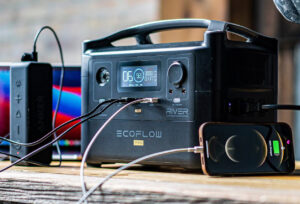
According to the State Customs Service, in the first five months of 2025, imports of electric batteries and separators to Ukraine increased 2.3 times to $382.7 million. The main suppliers are China (76%), Taiwan (5.8%) and Vietnam (4.3%).
In May, imports of batteries amounted to $94.4 million, which is 92% more than in May 2024 and 34% more than in April. In particular, $14.8 million of products were imported from Vietnam, while for the entire 5 months – $16.5 million.
Exports of Ukrainian batteries amounted to $20.7 million, with the main destinations being Poland (29.4%), France (14.5%) and Germany (11.8%).
As a reminder, since the end of July 2024, Ukraine has exempted imports of electric generators and batteries from customs duties and VAT. In 2024, imports of generators reached $732.5 million (+3.7% compared to 2023), and imports of batteries reached $950.6 million (twice as much as in 2023).
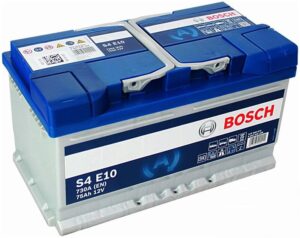
In the first quarter of 2025, Ukraine increased imports of batteries and separators to $217.82 million, which is 2.5 times more than in the same period in 2024. This is evidenced by the State Customs Service data.
In March, imports amounted to $63.6 million, which is more than double the figure for March-2024 and 7% more than in February-2025.
The main suppliers:
– China – 79.2%.
– Bulgaria – 5.3%.
– Taiwan – 3.8%.
Exports of batteries from Ukraine in the first quarter – $11 million, key destinations: Poland (33.7%), France (19%), Germany (13.9%).
In 2024, imports of batteries to Ukraine amounted to $950.6 million, more than doubling compared to 2023.
The main battery manufacturers and brands whose products are actively represented in Ukrainian imports are:
– CATL, BYD, Gotion (China)
– Varta (Germany)
– Fiamm (Italy)
– Bosch (Germany)
– Yuasa (Japan)
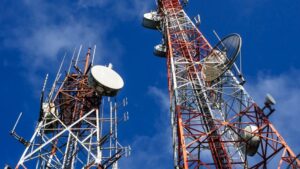
In 2023, Ukraine significantly increased the number of backup power sources required to ensure autonomous operation of electronic communication equipment for at least three days in the absence of external power supply.
This is stated in the report of the National Commission for the State Regulation of Electronic Communications, Radio Frequency Spectrum and Postal Services (NCCS), released on Thursday.
In 2023, the availability of generators for Kyivstar, VF Ukraine, Lifecell, Ukrtelecom, Datagroup increased by 43% compared to 2022, to 6,049 thousand units. The availability of batteries increased by 34% to 385.55 thousand units, the report says.
The number of addresses/points provided with autonomous power supply (generators) at the expense of third parties, where the relevant network equipment is located, based on the results of telecom operators’ work with local governments and enterprises, institutions, organizations, business centers, shopping and entertainment centers, increased to 2 thousand, which is 1.25 thousand more than at the beginning of 2023.
In addition, network operators, with the assistance of socially active private sector participants, have created networks of public Wi-Fi zones in many cities of Ukraine, allowing citizens to have open access to the Internet.



