
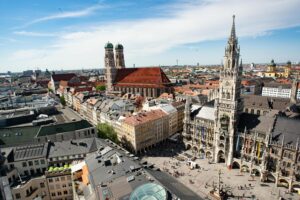
Germany showed the most significant difference in housing affordability between individual urban areas among the countries included in the relevant comparison by the Organization for Economic Cooperation and Development (OECD).
According to the OECD study “Regions and Cities at a Glance 2026,” published on November 4, purchasing real estate in Munich requires approximately 17 times more annual disposable income than in Chemnitz.
In preparing the study, analysts compared the cost of residential real estate with the incomes of the populations in the respective regions. The figures used for Germany regarding the cost of housing and incomes are from 2021.
The high cost of real estate in Munich is linked to the concentration of international companies, high-tech industries, financial institutions, and highly skilled professionals. At the same time, limited opportunities for expanding residential development intensify competition among buyers.
In Chemnitz, located in the federal state of Saxony, the situation is significantly different. The development of the local real estate market has been influenced by structural changes in the economy of eastern Germany following the country’s reunification, as well as by long-term demographic trends.
Overall, the OECD study shows that higher wages in the largest cities do not always offset the increased cost of real estate. In 11 of the 13 countries examined, the ratio of housing prices to household income in the largest metropolitan areas exceeded the average for metropolitan areas in the respective country.
For Ukrainians and other foreigners considering long-term residency or purchasing real estate in Germany, these figures highlight the need to compare regional prices not only with potential income but also with employment prospects.
Industrial and university cities with medium-sized populations, particularly in the eastern part of the country, could serve as alternatives to Germany’s largest and most expensive economic centers.
Source: OECD Regions and Cities at a Glance 2026, Figure 3.2.



