

Imports of electric generators and rotating electrical converters to Ukraine in 2025 increased 2.3 times compared to 2024, reaching $1.691 billion, according to data from the State Customs Service.
According to statistics, the largest suppliers of these products in 2025 were Romania (21.8%, or $369.2 million), the Czech Republic (17.9%, $301.8 million), and Poland (11%, $191.4 million). In 2024, China (17.7%, or $130 million), the Czech Republic (16.6%, $121.5 million), and Turkey (13.5%, $99 million) were the leaders.
In December 2025, imports of electric generators and converters fell by 30.6% compared to December 2024, to $177.5 million.
The State Customs Service also recorded a slowdown in growth rates during the year: in January 2025, imports exceeded the January 2024 figure by 8 times, and the high rate (about 7-7.5 times) continued until July, after which it began to decline.
Exports of electric generators from Ukraine in 2025 remained insignificant and amounted to $3.6 million (in 2024 – $1.7 million). The main destinations for supplies were the Czech Republic, Latvia, and Bulgaria; there were no exports in December.
As reported, at the end of July 2024, Ukraine exempted the import of electric generator equipment and batteries from customs duties and VAT. According to the State Customs Service, in 2024, imports of electric generators and converters amounted to $732.5 million, which is 3.7% more than in 2023.
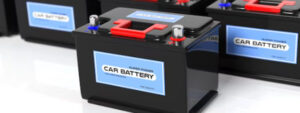
Imports of electric batteries and separators to Ukraine in 2025 increased by 55% compared to 2024, to $1.476 billion, according to data from the State Customs Service.
According to statistics, China remained the main supplier of batteries in 2025, accounting for $1.12 billion, or 76% of imports. Next came Vietnam ($97 million, 6.6%) and Taiwan ($54.6 million, 3.7%). In 2024, China’s share of imports was 84.3%, followed by the Czech Republic (2.6%) and Bulgaria (2.5%).
In December 2025, imports of these products increased by 74% compared to December 2024, to $243.5 million, which is also 37% more than in November 2025.
Exports of batteries from Ukraine in 2025 amounted to $52.7 million, compared to $41.6 million a year earlier. The main destinations for exports were Poland (34.1%), Germany (12.5%), and France (11%). In 2024, Ukraine exported batteries mainly to Poland (30.5%), France (almost 15%), and Germany (11.2%).
As reported, at the end of July 2024, Ukraine exempted the import of power generator equipment and batteries from customs duties and VAT. According to the State Customs Service, in 2024, battery imports more than doubled compared to 2023, amounting to $950.6 million.

Imports of lead and lead products to Ukraine in 2025 increased 3.3 times to $7.801 million.
In contrast, lead exports decreased by 17.8% to $9.377 million.
In December, imports amounted to $478,000, while exports amounted to $466,000.
Imports have been growing for the second year in a row: in 2024, they increased 2.4 times.
Lead is currently mainly used in the production of lead-acid batteries for the automotive industry.
In addition, lead is used in the manufacture of bullets and certain alloys.

Imports of trucks to Ukraine in 2025 grew by 5.5% in monetary terms compared to 2024, reaching $999.5 million, according to statistics from the State Customs Service.
According to the published data, the growth rate of imports of this type of vehicle slowed down somewhat at the end of the year, reaching 7.5% over the 11 months compared to the same period in 2024.
At the same time, in December, truck imports decreased by 9% compared to December 2024, to $102.3 million.
Most trucks in 2025 were imported from France – $169.2 million (42.8% more than last year), Poland – $162.7 million (14.7% less), and the United States – $109 million (2% more). Last year, Poland led this trio.
Imports of trucks from all other countries increased by 4.6% over the year, amounting to $558.5 million.
At the same time, according to statistics, Ukraine exported only $6.6 million worth of trucks last year, mainly to Turkey (66.2% of exports), Romania, and Moldova, and a year earlier, exports were even more insignificant ($4.1 million), mainly to Moldova, Turkey, and Poland.
As reported, in 2024, imports of trucks to Ukraine in monetary terms increased by 30% compared to 2023, to $947.84 million, with most of them imported from Poland (almost 20%).

Imports of zinc and zinc products to Ukraine in 2025 decreased by 9.6% to $52.982 million.
Zinc exports, despite their small volumes, showed a sharp jump to $1.234 million (in 2024, they amounted to $563,000).
In December, imports amounted to $4.392 million, while exports amounted to $68 thousand. The trend has changed: in 2024, the country increased zinc imports by 27.5%.
Pure metallic zinc is used to recover precious metals, protect steel from corrosion, and for other purposes.

In 2025, Ukraine increased imports of aluminum ore and concentrate (bauxite) in physical terms by 23.7% compared to the previous year, to 43.5 thousand tons.
According to statistics released by the State Customs Service (SCS), during this period, bauxite imports in monetary terms increased by 15.8% to $4.754 million. It was mainly carried out from Turkey (81.84% of supplies in monetary terms), China (15.97%), and Guyana (2.19%).
Ukraine did not re-export bauxite in 2025, as in 2024 and 2023.
As reported, in 2024, Ukraine increased its imports of bauxite in physical terms by 77.4% compared to 2023, to 35,173 thousand tons, and in monetary terms by 74%, to $4.107 million. Imports were mainly from Turkey (78.48% of supplies in monetary terms), China (19.48%), and Spain (1.9%).
In 2023, Ukraine imported 19,830 thousand tons of bauxite worth $2.360 million.
In 2022, Ukraine reduced imports of aluminum ores and concentrates (bauxite) in physical terms by 81.5% compared to the previous year, to 945,396 thousand tons. Bauxite imports in monetary terms decreased by 79.6% to $48.166 million. Imports were mainly from Guinea (58.90% of supplies in monetary terms), Brazil (27.19%), and Ghana (7.48%).
Bauxite is an aluminum ore used as a raw material for producing alumina, which is then used to produce aluminum. It is also used as a flux in ferrous metallurgy.
Bauxite is imported into Ukraine by, among others, the Mykolaiv Alumina Plant (MAP).



