

Indonesian authorities have begun reviewing the residency and taxation rules for foreign digital nomads and other remote workers, whose numbers are growing, particularly in Bali and other popular tourist regions of the country.
Hendarsam Marantoko, Director General of the Indonesian Immigration Service, announced at a press conference that the agency, in collaboration with the tax service and other government agencies, is exploring possible legislative changes regarding foreign professionals who are physically present in Indonesia but work for companies abroad.
According to Marantoko, the current system creates a legal conflict. Standard work visas are primarily intended for foreigners employed by Indonesian employers, whereas digital nomads earn their income outside the country. The authorities need to determine whether they should be considered primarily as long-term foreign visitors who spend money on housing, food, and services, or as working residents subject to tax obligations.
That said, a separate legal framework for remote work in the country already exists. The current visa classification includes the E33G Remote Worker category for foreigners who are employed by a company located outside Indonesia and perform this work from within the country.
One of the key issues in the upcoming review will be taxation. According to current guidelines from the Indonesian Directorate General of Taxes, a foreign national can generally obtain domestic tax resident status if they reside in the country for more than 183 days within a 12-month period or demonstrate an intention to reside permanently in Indonesia. These rules may also apply to digital nomads, depending on specific circumstances and international double taxation treaties.
The Indonesian authorities have not yet disclosed the specific details of the new rules or the timeline for their implementation. The Immigration Service has stated that official changes will be announced after the completion of an interagency review. At the same time, the authorities aim to preserve the economic benefits of having remote workers while strengthening oversight of immigration violations, overstaying visas, and undeclared economic activities.
Bali remains one of the world’s largest hubs for digital nomads: foreigners who live here long-term drive demand for rental housing, restaurants, coworking spaces, and other services. Therefore, changes to visa and, especially, tax regulations could directly affect a significant portion of foreigners who use the island as a permanent base for remote work.
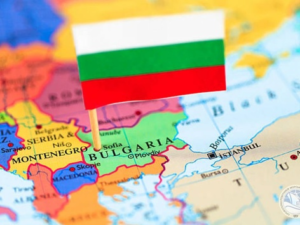
According to the Serbian Economist, Bulgaria has started accepting applications for a long-term stay permit on the basis of “digital nomad” – the relevant changes to the by-laws came into force on December 20, 2025.
As Bulgarian Telegraphic Agency reported, the introduction of the procedure for issuing such a permit is intended to create a clear procedure for foreigners who want to live in the country and work remotely without a relationship with a local employer, as well as to bring economic benefits by attracting specialists in innovation, high technology and creative industries.
Upon initial application or renewal of the permit, the applicant must, inter alia, prove an average annual income of at least 50 minimum monthly salaries for the previous calendar year and provide documents proving remote employment – an employment contract with the employer or contract(s) for remote services and recommendations from the customer(s), and the work or services must not be provided to persons and companies in Bulgaria.
Bulgarian legislation defines three categories of “digital nomads”: employees of an employer outside the EU/EEA/Switzerland; owners/shareholders (with a share of more than 25%) or management of companies registered outside the EU/EEA/Switzerland; and persons who have provided remote services for at least one year prior to the application, provided there is no employment on the Bulgarian market. The permit is valid for one year, renewable for another year; the procedure usually involves obtaining a D visa and subsequent regularization in Bulgaria.
https://t.me/relocationrs/1988



