
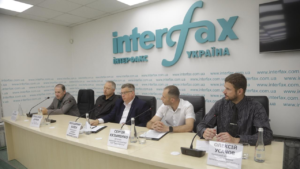
Ukraine’s transport industry, under martial law, staff shortages, border blockades and the rapid adaptation of legislation to EU standards, needs stronger professional representation of carriers’ interests, the development of legal support and the preservation of the institutional capacity of the Association of International Road Carriers of Ukraine (AsMAP). This was stated by the participants of a press conference dedicated to the 35th anniversary of AsMAP Ukraine.
“Despite everything that is happening in our country, the TIR system is operating steadily. We are in fifth place among the associations that work in the guarantee chain system. If last year the guarantee fund amounted to UAH 170 million, today it is UAH 200 million,” said Vice President of AsMAP Ukraine Volodymyr Balin at a press conference at the Interfax-Ukraine agency on Tuesday.
According to him, the IRU requirements for the guarantee fund amount to $3,000 per participant, while some carriers expect a level of $8,000. Balin emphasized that the association is working on financial stability and defending the interests of carriers in matters of employee reservation, interaction with Territorial Recruitment Centers, border crossing by drivers, preventing unlawful disconnection from the “Shliakh” system and preventing decisions that may harm business.
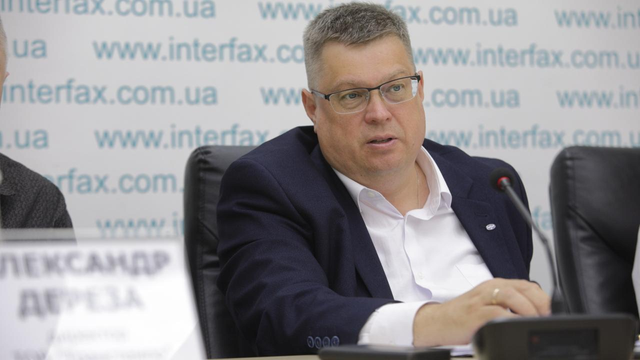
“AsMAP must be the main representative of Ukrainian international road carriers in Ukraine, in the EU and in other international organizations. The protection of every carrier must be a priority — regardless of the size of the company,” the vice president of AsMAP emphasized.
He also reported that he had submitted an application to participate in the competition for the position of president of AsMAP Ukraine.
“I have the experience, knowledge and motivation to effectively perform the duties of president of AsMAP Ukraine. My goal is to strengthen the association, which has influence, enjoys trust and effectively protects every carrier,” Balin stated.
For his part, Oleksandr Dereza, director of Transtempo LLC, which has been operating in the international passenger transportation market for about 25 years, emphasized the importance of practical support for carriers from a professional association.
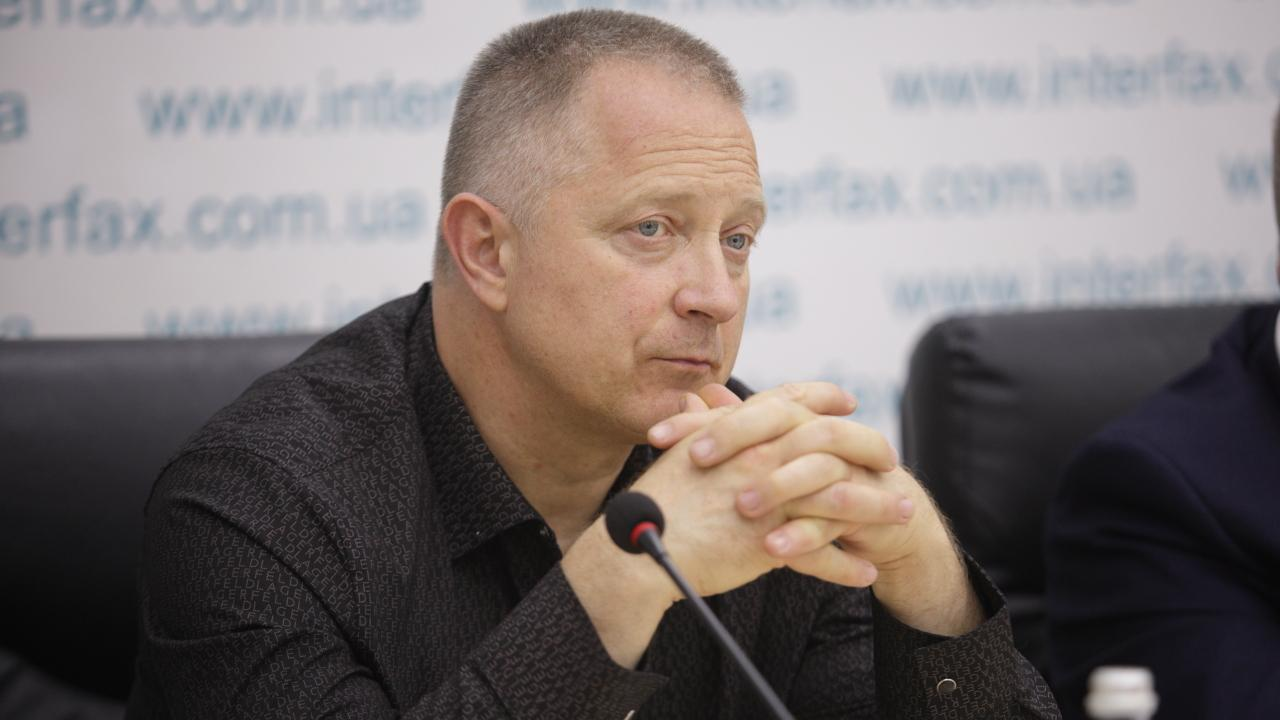
“There are issues that were not resolved for years and that virtually no one dealt with in the regulatory process. Today AsMAP is probably that ‘lifesaver’ for carriers that represents our interests. New regulatory requirements related to Ukraine’s approximation to European procedures often create difficulties for business due to insufficient preparation of mechanisms for their practical application. In such situations, carriers need a structure that can promptly help and convey the position of business to the authorities,” Dereza noted.
The head of the separate subdivision of the NGO Ukrainian Transport Union in Kyiv region, Oleh Sotnikov, stated that the industry is operating under conditions of rapid legislative reform and therefore needs specialists capable of formulating a consolidated business position and preparing alternative proposals to draft laws and government decisions.
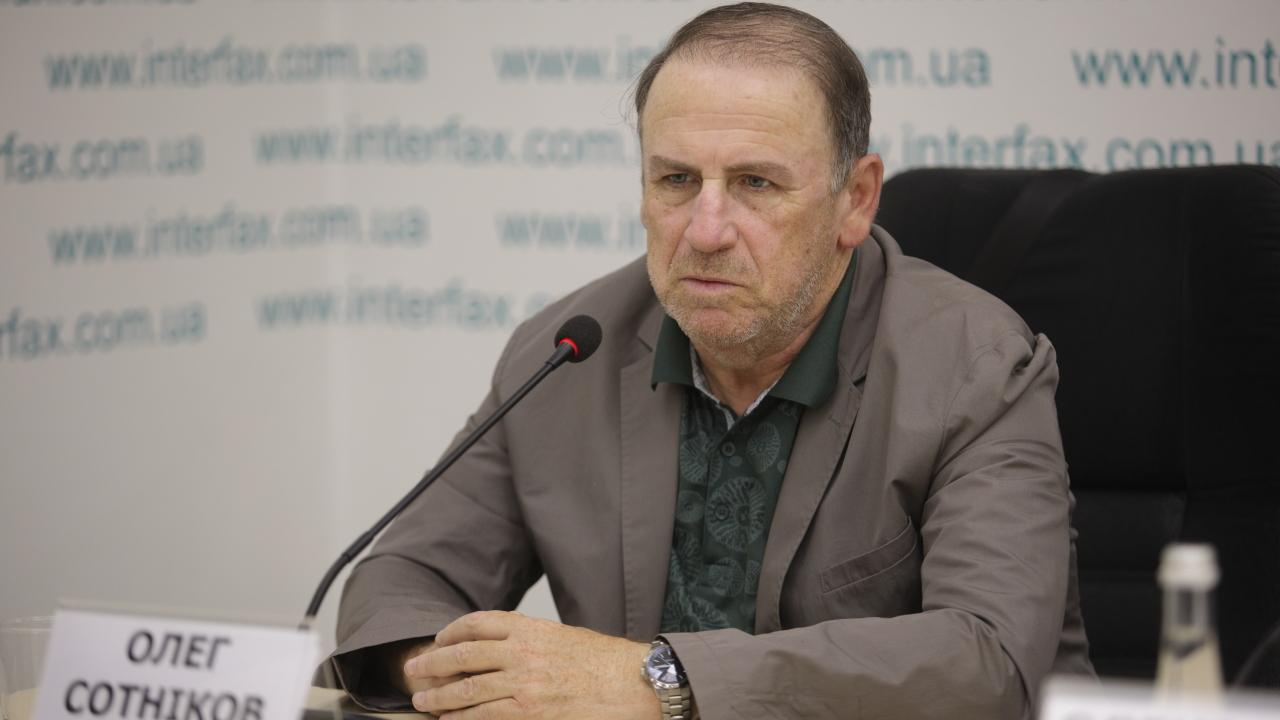
“Ukraine is rapidly adapting its legislation to the legislation of the European Union. The state is transforming legislation, and the transport industry must have people who are able to explain, write alternative draft laws and resolutions of the Cabinet of Ministers,” Sotnikov emphasized.
According to him, in the current flow of changes it is important to work with the relevant ministry and the parliamentary committee already at the stage of preparing documents.
“Volodymyr Balin is a person who in fact accumulates the wishes of the industry and presents the consolidated position of carriers both in the relevant ministry and in the Verkhovna Rada committee on transport issues in order to improve the work of the industry,” Sotnikov noted.
Deputy Director for Operations of Trans-Logistic LLC Serhii Kuzmenko reported that his company has a fleet of more than 220 vehicles, operates in international traffic and within Ukraine, and about half of its vehicles transport temperature-controlled cargo. According to the carrier, the industry is going through difficult times because of the war, border blockades, staff shortages and economic instability.
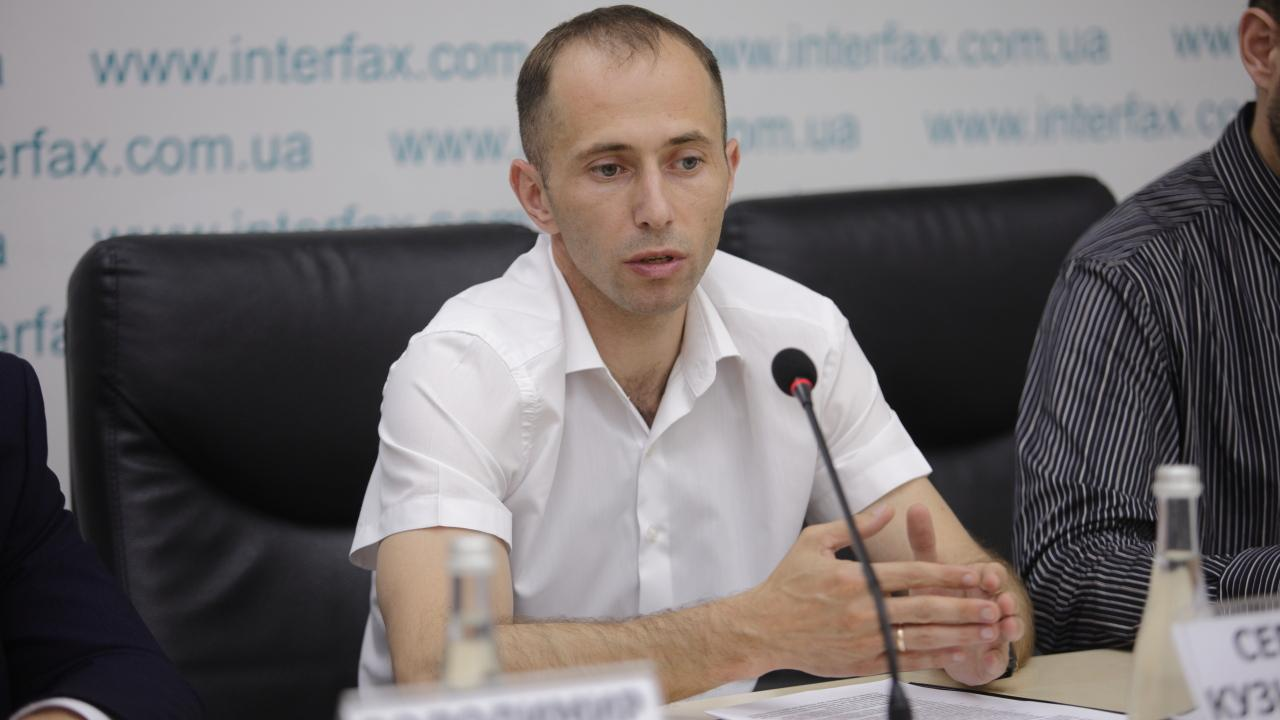
“AsMAP has always been and remains a support for carriers. But today’s challenges force all of us to move to a new level of high-quality, constant and systematic work,” Kuzmenko added.
Among the key problems, he named new requirements regarding drivers’ working and rest time regimes, which, in his opinion, may create risks during the transportation of expensive temperature-controlled cargo.
“From June 26, requirements regarding the driver’s working and rest time regime come into force. Let us imagine a situation: a driver is carrying medicines worth UAH 120–150 million and has no right to spend the night in the cabin. He leaves the vehicle with the cargo and goes to a hotel, but in Ukraine there is in fact not enough infrastructure where such transport can be safely left,” Kuzmenko noted.
He also drew attention to the need for parity conditions for Ukrainian carriers in the international arena and protection from disproportionate fines. According to him, since the beginning of the year the company has paid about $12,000 in fines, some of which were related to technical GPS failures or minor errors in documents.
“The GPS signal did not work, or the dispatcher made a spelling mistake — and for each such case we received a $3,000 fine. These are very significant penalties for things that, in my opinion, are minor,” the representative of Trans-Logistic emphasized.
Kuzmenko called for the creation of a system of round-the-clock international legal support for carriers, and among other problems he named the digitalization of AsMAP, promotion of the driver profession, participation in training programs for women drivers, control over the possible introduction of toll roads, standards for parking areas and services for drivers, revision of restrictions on the movement of freight transport through Kyiv and employee reservation.
The moderator of the press conference, political consultant and chairman of the board of the Institute of Ukrainian Politics Oleksii Usachov, emphasized that Ukrainian carriers had historically been an important part of European trade and logistics routes, and during the full-scale war had proved their critical role for the state, the army and society. According to him, logistics became one of the key factors of Ukraine’s resilience during the evacuation of people, the provision of military logistics and the delivery of humanitarian aid.
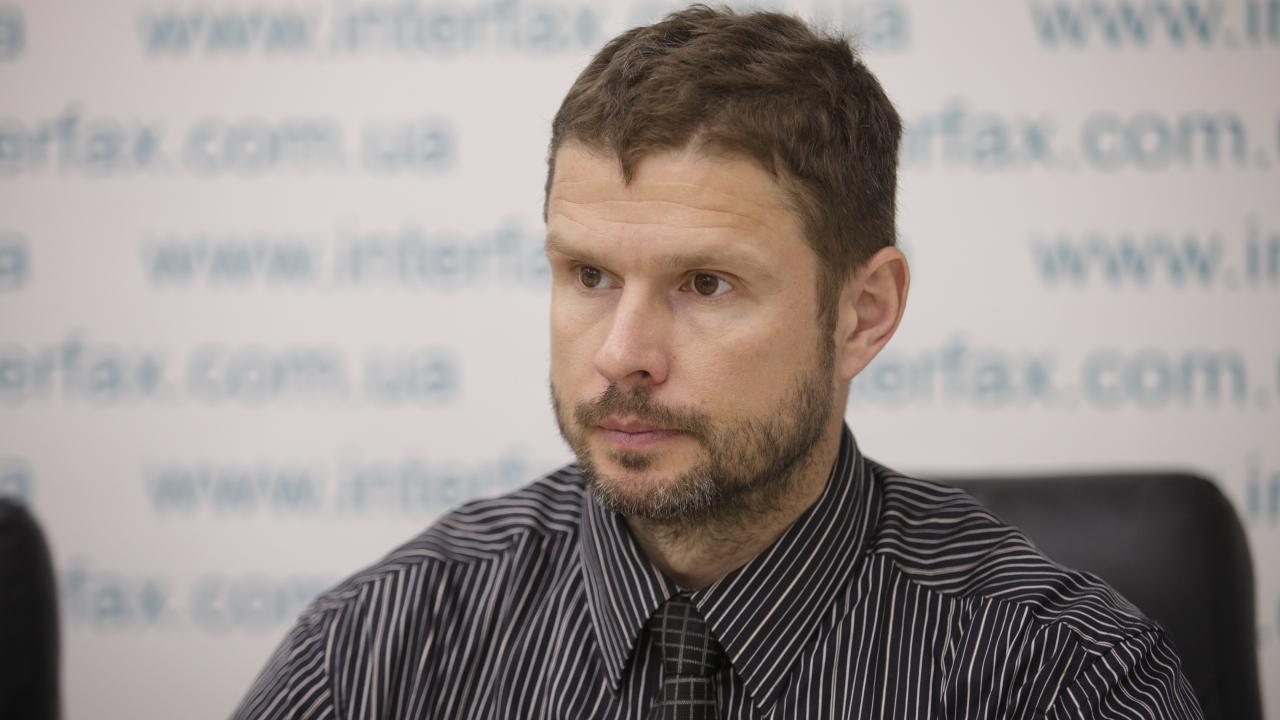
“After the start of the full-scale war, Ukrainian carriers showed their efficiency and heroism during the evacuation of people, the provision of military logistics and the delivery of humanitarian aid. This saved thousands and tens of thousands of lives,” Usachov stated.
He emphasized that AsMAP is needed not only by carriers, but also by the state as an institution that represents Ukrainian business in the international arena and ensures dialogue between the industry and the authorities. At the same time, Usachov stated that there were risks of weakening the association and called on the relevant ministry and law enforcement agencies to monitor the situation around preparations for the election of the organization’s leadership.
“I appeal to the leadership of the relevant ministry and to law enforcement officers to keep the situation under control and not allow manipulations, machinations and falsifications during the process of electing the new leadership of AsMAP,” Usachov emphasized.
Summing up the meeting, Volodymyr Balin expressed hope that international carriers, during the vote, would make a choice in favor of developing an association that would work “for each carrier without exception,” and not for a separate group of individuals.
INTERNATIONAL CARRIERS, LEGAL PROTECTION, OLEH SOTNIKOV, OLEKSII USACHOV, SERHII KUZMENKO, TRANSPORT INDUSTRY, ВОЛОДИМИР БАЛІН, ОЛЕКСАНДР ДЕРЕЗА
Holding elections in Ukraine during the active phase of hostilities is impossible for security and legal reasons, but preparations for the first post-war elections must begin in advance, as the country will have to resolve a range of issues related to voting by the military, Ukrainians abroad, internally displaced persons, and residents of de-occupied territories, participants in a press conference at the Interfax-Ukraine agency said on Thursday.
Oleksiy Usachov, chairman of the board of the Ukrainian Politics Institute, noted that the topic of elections has long been at the center of public debate, and recent months have only intensified the sense of political activism. According to him, the impression of preparations for possible early elections is reinforced by the activation of the Central Election Commission and the work of parliamentary groups on possible changes to the electoral law.

“The issue of elections, possible elections, must be considered through the prism of two planes — their necessity and their possibility. Because war is a process that is ongoing in Ukraine. It should also be remembered that no elections in Ukraine have been held during the active phase of military operations in all the years of independence,” Usachov stressed.
At the same time, he warned against attempts to rewrite the rules to suit the political situation. In his opinion, one of the chronic problems of the Ukrainian electoral system remains the desire of each new government to adapt legislation to its own interests, which creates additional risks for confidence in the future electoral process.
“The main drawback of the electoral system in Ukraine is the constant change in legislation for each election, for each government, that is, the adjustment of legislation to the needs that politicians have identified for themselves in their political careers. And this is a great danger,” Usachov said.
He also drew attention to the need for technological protection of the expression of will. According to Usachov, Ukraine already has digital identification tools, but any technological solutions can only work if there is a high level of trust, professional administration, and no possibility of political manipulation.
“The main thing is that politicians do not juggle their capabilities and do not try to falsify elections and rig votes in their favor through electronic systems. Protecting votes and citizens during voting, and ensuring the safety of citizens, is an important priority,” he said.
Ivan Fursenko, vice president of the NGO Congress of Local Self-Government of Ukraine, in turn, stressed that even after the cessation of hostilities, the country will not be able to move to the electoral process immediately. According to him, professional communications suggest a minimum of three months after the cessation of hostilities, but he believes that this is not enough time.

“The preliminary minimum period that has been announced is three months after the cessation of hostilities. But I am deeply convinced that it is absolutely impossible to hold elections within three months. It will take at least six months,” Fursenko added.
He explained that the key challenges remain the organization of voting abroad, the participation of military personnel, and the lack of complete certainty regarding the electoral infrastructure. Fursenko recalled that before the full-scale war, voting abroad was mainly conducted at diplomatic and consular missions, but now the number of Ukrainians in European countries is so large that this resource is no longer sufficient.
“Even in Poland, the Czech Republic, and Germany, new polling stations need to be opened. We do not understand how to open them, because the legislation of some countries prohibits the holding of elections of other states on the territory of non-diplomatic institutions. If this work is not done, we will deprive a large number of Ukrainian citizens of their constitutional right to vote and be elected, and this will reduce the legitimacy of the entire electoral process,” he stressed.
Another set of problems, according to Fursenko, is the participation of military personnel in elections, both as voters and as potential candidates. He noted that this requires separate legal mechanisms that will simultaneously guarantee the right to vote and not undermine the logic of national defense.
Ihor Bondarchuk, chairman of the board of the Stop Corruption NGO, said that there are already signs of political activation in the regions, which can be interpreted as preparation for a potential election campaign. According to him, some politicians have returned to more active work in their constituencies, and civil society must closely monitor whether this activity turns into covert campaigning using administrative or financial resources.
“We are seeing a certain transformation, with political forces becoming more active and PR campaigns surrounding this. This is the first indicator. Therefore, it is not just discussion that is important, but also control and, in some cases, legislative regulation,” said Bondarchuk.
He stressed that the public sector must be prepared to monitor abuses right from the start of the upcoming election process. According to him, the Stop Corruption network in the regions makes it possible to quickly receive signals about the potential use of shadow funds, administrative resources, and other non-transparent mechanisms of political work.

“Our organization has 98 territorial divisions throughout Ukraine, so we can receive information from each region in real time. On our part, the issue is more about exposing and stopping abuses that are already taking place,” Bondarchuk said.
The head of the League of Energy Development of Ukraine, Oleksandr Golizdra, also spoke out against holding elections during the war, stressing that social solidarity remains a key condition for the country’s stability at present. In his opinion, full-fledged electoral competition during the war inevitably weakens this solidarity, but this does not negate the need to prepare amendments to the legislation now.
“Elections during wartime are impossible because one of the main themes of our struggle against the enemy is solidarity. And what kind of solidarity can there be when political forces and candidates compete with each other personally? But this does not negate the need to prepare changes to the legislation,” Golizdra said.

He separately emphasized the need for increased public control if the country does decide to move toward greater digitization of electoral procedures. In his opinion, this should not be a one-time oversight, but rather the professional and systematic participation of civil society organizations, volunteer networks, and trained observers in the development and control of new procedures.
Summing up the discussion, the participants agreed that Ukraine does not have a ready-made model for automatically transferring foreign experience, as the war has created unprecedented conditions for the state and the electoral system. At the same time, they stressed that preparations for post-war elections cannot be postponed: the state, parliament, CEC, civil society, journalists, and international partners must already be working on solutions that will allow elections to be held legitimately, safely, and with the widest possible participation of citizens.
ELECTIONS IN UKRAINE, IHOR BONDARCHUK, OLEKSANDR HOLIZDRA, OLEKSII USACHOV, ІВАН ФУРСЕНКО
The Verkhovna Rada’s vote to extend the powers of local authorities is both a sign of institutional stability and a potential threat of corruption. This opinion was expressed by experts during a discussion on the legitimacy of extending the term of local councils, as well as the possible legal consequences and political risks of this step.

“No one is expecting the war to end tomorrow, so the issue of extending the powers of local councils is debatable. One can criticize this decision, but one can also say that, given the current circumstances, the deputies did what was necessary to signal to foreign partners and Ukrainian society that there is continuity of power in Ukraine and that there is no power vacuum. On the other hand, there are shameful practices that many representatives of the deputy corps have shown in terms of corruption and abuse, and, unfortunately, this decision, in addition to confirming the legitimacy of local authorities, empowers looters, swindlers, schemers, and many representatives of the authorities to continue their machinations and abuses,” said Oleksiy Usachov, chairman of the Board of the Ukrainian Politics Institute and political consultant, at a press conference at the Interfax-Ukraine agency on Friday.
Gatne village head Oleksandr Palamarchuk, in turn, drew attention to the actual paralysis of the normal electoral process.
“Today, it is very difficult and almost impossible to hold elections during the war. First of all, because many people, local residents, are fighting, many have left the country or moved to other regions. In addition, holding elections during bombings and drone strikes puts a large number of people at risk. Therefore, yesterday’s vote by the Verkhovna Rada confirms the logical actions during a full-scale war in Ukraine,” he said.
According to local government expert Ivan Fursenko, it is impossible to hold representative elections without ending the hostilities and updating demographic data.
“The extension of the powers of local councils is an absolutely logical decision by the Verkhovna Rada, since both the President of Ukraine and the Verkhovna Rada itself continue to perform their functions. It would be a big surprise to our international partners if local authorities ceased their powers and we began to prepare for elections. The problem lies not only in security, but also in the fact that, unfortunately, we do not have complete data: how many people are internally displaced, how many have left the country, where they are, and how to organize the electoral process,” Fursenko emphasized.

Lawyer and member of parliament in the 5th and 6th convocations Valery Bondik, in turn, drew the attention of the participants in the discussion to the fact that the extension of the term of office does not relieve local councils of their responsibilities.
“It is now a matter of debate that local councils will not be elected, but there are reasons and grounds for this — there is a war going on, no census has been conducted, etc. We can endure this, but at the same time, local councils must work responsibly. They cannot be eternal and must understand that before completing their work, they must report to the people. Because when the authorities report to the people, this is the main lever that can be used to influence the authorities, who sometimes abuse their constitutional powers,” he added.
Veteran Oleksandr Magdych expressed a critical attitude towards the extension of powers without elections, instead proposing participation in combat operations as a moral criterion.

“If the Verkhovna Rada wanted us to live in justice, to raise morale and mobilization rates, it would have been necessary to immediately adopt amendments to the legislation and say: in the next elections, only those who directly participated in combat operations can run for deputies of village, city, and regional councils. That would be wonderful and fair. This is my wish and that of our veteran community,” he emphasized.
The press conference was organized by the My Kyiv Region Information Agency, the Ukrainian Politics Institute, the Ukrainian Community Charitable Foundation, and the Active Group sociological company.



