
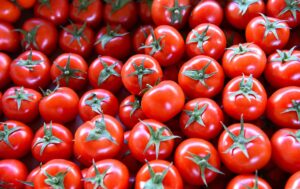
Tomato exports from Ukraine amounted to 553 tons in 2025, which is 31.2% less than in 2024, according to data from the State Customs Service.
In 2025, the main buyers of Ukrainian tomatoes were Moldova (61.5% in monetary terms), Poland (34.1%), and Romania (1.1%). In 2024, Moldova was also the largest buyer, accounting for 86% of exports.
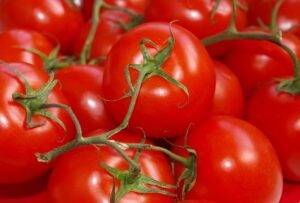
Ukraine increased tomato imports by 32.5% in 2025 compared to 2024, to 104,820 tons, according to the State Customs Service.
According to statistics, in monetary terms, tomato imports increased by 31.6% to $140.84 million.
The main imports of tomatoes in 2025 came from Turkey (82.3% of all supplies in monetary terms), Poland (7.3%), and the Netherlands (1.9%). A year earlier, Turkey accounted for 77.3%, Poland for 10.9%, and the Netherlands for 4.3%.
As reported, in July 2025, Ukraine introduced anti-dumping duties on imports of fresh tomatoes from Turkey at a rate of 26.9% for a period of five years.

In January-October 2025, Ukraine increased imports of tomatoes by 4.3% to 81.82 thousand tons and cucumbers by 13.6% to 109.56 thousand tons compared to the same period last year, according to the State Customs Service.
According to the published statistics, in monetary terms, tomato imports increased by 18.2% to $16.92 million during the reporting period, and cucumber imports increased by 30% to $23.39 million.
The main imports of tomatoes at this time came from Turkey (64.3% of all supplies), Poland (11.7%), and the Netherlands (11.18%). The top three suppliers of cucumbers to Ukraine were Turkey (88.2%), Spain (3.7%), and Finland (2%).
A year ago, the main suppliers of tomatoes to Ukraine in January-October were Turkey (73.6%), Poland (12.3%), and Morocco (5.9%), while the main suppliers of cucumbers were Turkey (85.2%), Poland (4%), and the Netherlands (3.1%).
Tomato exports in January-October this year amounted to 393 tons, compared to 301 tons a year ago. This year, they were purchased by Moldova (60.6%), Poland (36.4%), and Singapore (0.8%), while last year they were purchased by Moldova (87.4%), Lithuania (7.6%), and Malaysia (1%).
In the first 10 months of 2025, 2.44 thousand tons of Ukrainian cucumbers were supplied to foreign markets, compared to 1.01 thousand tons in the same period last year. They were most actively purchased by Poland (52.3%), Estonia (37.5%), and Moldova (8%). A year ago, the top three were the same, but their shares in the procurement structure differed: Estonia accounted for 54.7% of supplies, Poland for 26.3%, and Moldova for 10.5%.
As reported, in July 2025, Ukraine introduced anti-dumping duties on imports of fresh cucumbers and tomatoes from Turkey at 20.1% and 26.9%, respectively, for a period of five years. These measures were applied to protect Ukrainian producers from dumped imports, which caused damage to domestic greenhouse farms.

Italian restaurants across the UK are being forced to reduce the amount of tomatoes in their dishes, and in some cases to remove them altogether, due to a catastrophic rise in the price of this key product for many dishes from the Apennines.
According to the Federazione Italian Cuochi (FIC UK), the prices of tomatoes in the kingdom have risen from £5 a pack to £20 over the past year. The price of canned tomatoes has doubled from £15 to £30.
The president of the association Enzo Oliveri said that these were very difficult times for Italian restaurants. He said FIC UK members usually order tomatoes from Italy, Spain or Morocco, but now, with shortages everywhere, it’s getting harder to get tomatoes.
“I don’t see any glimmers of light at the end of the tunnel,” Oliveri said, adding that many establishments will likely have to close.
Oliveri said some restaurants are trying to move away from using the ingredient and are starting to offer diners “white” pizzas and pastas that have no tomatoes at all. Chefs are using ricotta or vegetables such as zucchini and eggplant as a base or for sauces.
For his part, Carmelo Carnevale, president of the Italian Culinary Consortium, said tomato prices have tripled in the past two weeks alone. Restaurants are still getting the product, but in completely different quantities.
There is a shortage of fruits and vegetables, especially tomatoes, in Britain. Supermarket shelves where they used to be located are now empty. Authorities cite weather in southern Europe and northern Africa as the cause, as well as high electricity prices in Britain and the Netherlands.

The Agrofusion Group of Companies (Mykolaiv) will expand the total growing area for tomatoes by 4% compared to last year, to 8,360 hectares, according to a posting on the website of the agricultural producer.
In addition, in the new production season, 0.1 thousand hectares have been allocated for organic tomatoes.
Agrofusion said that Agrofusion team has begun new tomato paste growing season. In the last decade of March we have started to sow tomato seeds at both Southern and Northern greenhouse complexes. This year our nurseries will grow more than 200 million transplants for the production of tomato paste presented in many countries under the TM Inagro.
According to the company’s website, Agrofusion is a vertically integrated group of companies in Ukraine that grows and processes tomatoes for producers of juices, ketchups and tomato sauces. It includes 10 branches, two greenhouses, three plants for the production of tomato paste (two in Mykolaiv region, one in Kherson region) with a total capacity of up to 750,000 tonnes of tomatoes per season. The total land bank of agricultural enterprises in Kherson and Mykolaiv regions is more than 32,000 hectares of irrigated land.
According to the European Bank for Reconstruction and Development (EBRD), which provided EUR 10 million to the group of companies in September 2020 to finance working capital needs, Agrofusion is the third largest tomato company in Europe, exporting 72% of its products to 45 countries.

Ukraine in January-June 2019 imported 7,000 tonnes of cucumbers and 55,000 tonnes of tomatoes, which is respectively 38% and 15% more than in the same period of 2018, according to the website of the Ukrainian Horticultural Association. According to the association, the import of both cucumbers and tomatoes in the six months was a record high for the last decade.
The association noted that the export of greenhouse vegetables continues declining. Thus, the supply of tomatoes abroad since the beginning of the year amounted to a mere 970 tonnes, which is three times less than last season. The export of cucumbers also almost halved compared with 2018 and amounted to 1,300 tonnes.
“This trend in the cucumber and tomato markets is explained by the fact that Ukraine has been focused on the Russian market for a very long time, which after the worsening of the political situation between the countries became inaccessible to us. Moreover, domestic producers find it difficult to compete in the domestic market with Turkish products, because the cost of gas and electricity in Turkey is much lower than in Ukraine. Now, Ukrainian producers of greenhouse vegetables require import quotas and the introduction of trade duties for imported products,” Yekateryna Zvereva, the director for development at the association, said.
The loss of the Russian market forced greenhouse owners to seek new sales markets and expand the range of products.
“Today, the main importers of Ukrainian tomatoes and cucumbers are Belarus and Poland, the countries that re-export these products,” the report says.



