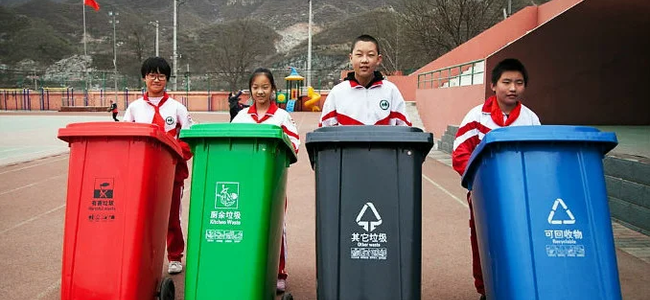
Some waste-to-energy plants in China are experiencing a shortage of waste to fuel their capacity amid rapid expansion of the sector and changes in household waste management, according to Chinese media reports.
There are more than 1,000 waste-to-energy plants in the country, and by 2022, their combined waste incineration capacity exceeded the volume of household waste collected (333 million tons versus 311 million tons).
Experts attribute the problem not to the fact that “the waste has run out,” but to excess capacity and an imbalance between where the waste is generated and where the facilities are built. In particular, in China, the share of urban household waste processed by incineration increased to 79% in 2024, and the number of waste incineration facilities, according to Dialogue Earth, increased from approximately 104 in 2010 to about 1,000 at present.
The media notes that some companies are expanding the “geography” of waste delivery to support their operations, switching to industrial waste and resorting to so-called landfill mining – the extraction of “old” waste from landfills for further incineration.
At the same time, statements about the possible import of waste to fill capacity are hampered by existing restrictions: the Chinese authorities have previously announced a complete ban on the import of solid waste from January 1, 2021.
Analysts also point to the risk of misguided incentives: discussions about a “waste shortage” may push the market to try to increase waste volumes, but industry experts emphasize that the priority should remain reduction, reuse, and recycling, rather than increasing waste generation to fill furnaces.