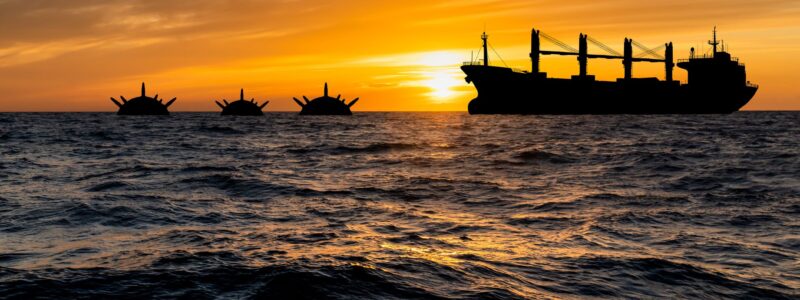
India has proposed a three-part ceasefire plan to Ukraine and Russia that calls for an end to attacks on energy and other infrastructure, the assurance of uninterrupted exports of grain and energy resources through the Black Sea, and a halt to attacks on commercial vessels.
This was reported on October 7 by the Hindustan Times, citing sources familiar with the proposal. The full text of the Indian initiative has not yet been made public.
According to the publication, the first point calls for a halt to attacks on energy facilities and other critical infrastructure.
The second concerns ensuring the unimpeded passage of grain and energy resources through Black Sea ports.
The third calls for a halt to attacks on commercial shipping in the Black Sea.
According to the Hindustan Times, the proposal was presented to Ukrainian leaders during a visit by Indian Foreign Minister Subramanyam Jaishankar to Kyiv on September 3. He discussed the initiative in separate meetings with Ukrainian President Volodymyr Zelenskyy and Foreign Minister Andriy Sybiga.
The Indian initiative combines elements of several other proposals for a partial ceasefire. According to the publication, Egypt and Turkey proposed focusing on the safety of commercial shipping and grain exports through the Black Sea, while the U.S. proposal primarily concerned a halt to attacks on energy infrastructure.
On October 2, Sybiga confirmed that Ukraine had received ceasefire proposals from India, Turkey, Egypt, and the U.S., and described the Indian proposal as the most comprehensive. He noted that Kyiv is ready to consider various formats of a ceasefire, including an energy and Black Sea ceasefire, provided it also extends to port infrastructure.
On October 4, Indian Foreign Minister Jaishankar also publicly confirmed that New Delhi had shifted in recent months from general calls for peace to direct consultations with Moscow and Kyiv. According to him, the Indian side is discussing the safety of shipping in the Black Sea, the export of grain and energy resources, as well as the possibility of a mutual renunciation of certain types of attacks.
One of the motivations behind the Indian initiative is New Delhi’s interest in the stability of energy supplies and the security of maritime transport. According to the Hindustan Times, nearly 30% of Russian energy supplies to India pass through Black Sea ports. In recent weeks, attacks on commercial vessels have led to supply disruptions and rising freight costs.
In addition, five Indian sailors have been killed in attacks on merchant ships in the region over the past few weeks, prompting Indian authorities to repeatedly call for an end to attacks on civilian shipping.
Russia and Ukraine have not yet officially announced their direct responses to all three points of the Indian plan. The Hindustan Times reports on ongoing contacts between the parties, though details of these talks have not been disclosed.
The Ukrainian Foreign Ministry previously stated that Kyiv is ready for a complete and unconditional ceasefire, as well as for separate agreements to halt attacks on energy and food infrastructure.