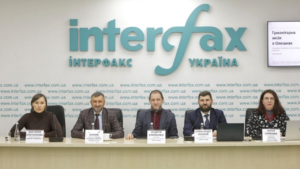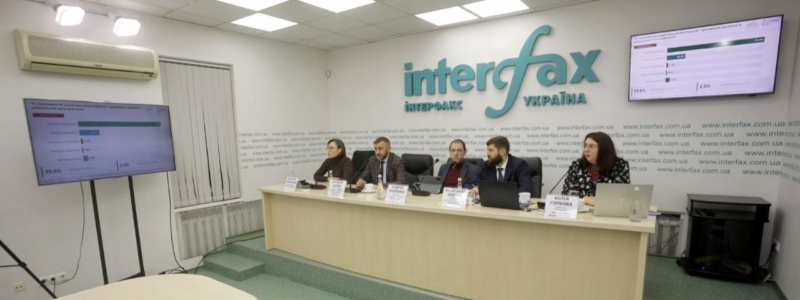
Following US participation in humanitarian agreements concerning the temporarily occupied town of Oleshky in Kherson region, 20.3% of surveyed Ukrainians improved their attitude toward the United States, while 57.1% positively assessed the role of US First Lady Melania Trump in reaching the agreements, according to the results of a sociological study by Active Group presented on Tuesday at a press conference at the Interfax-Ukraine news agency.
According to the survey, conducted on October 31 at the request of the publication Politarena, 6.2% of respondents said their opinion of the US had improved significantly, while 14.1% said it had somewhat improved. Meanwhile, 66.5% reported that their attitude toward the United States remained unchanged, 4.9% said it had worsened, and another 8.3% were unable to decide.
Andriy Yeremenko, founder of the research company Active Group, noted that successful humanitarian operations can positively influence the international image of countries involved in organizing them.
“Such humanitarian events, if they are repeated and are genuinely effective, will increase trust, particularly in the US. This event could become one of those that truly improve Ukrainians’ attitude toward the United States. A person who is safe is better off than a person who is in danger,” he said.
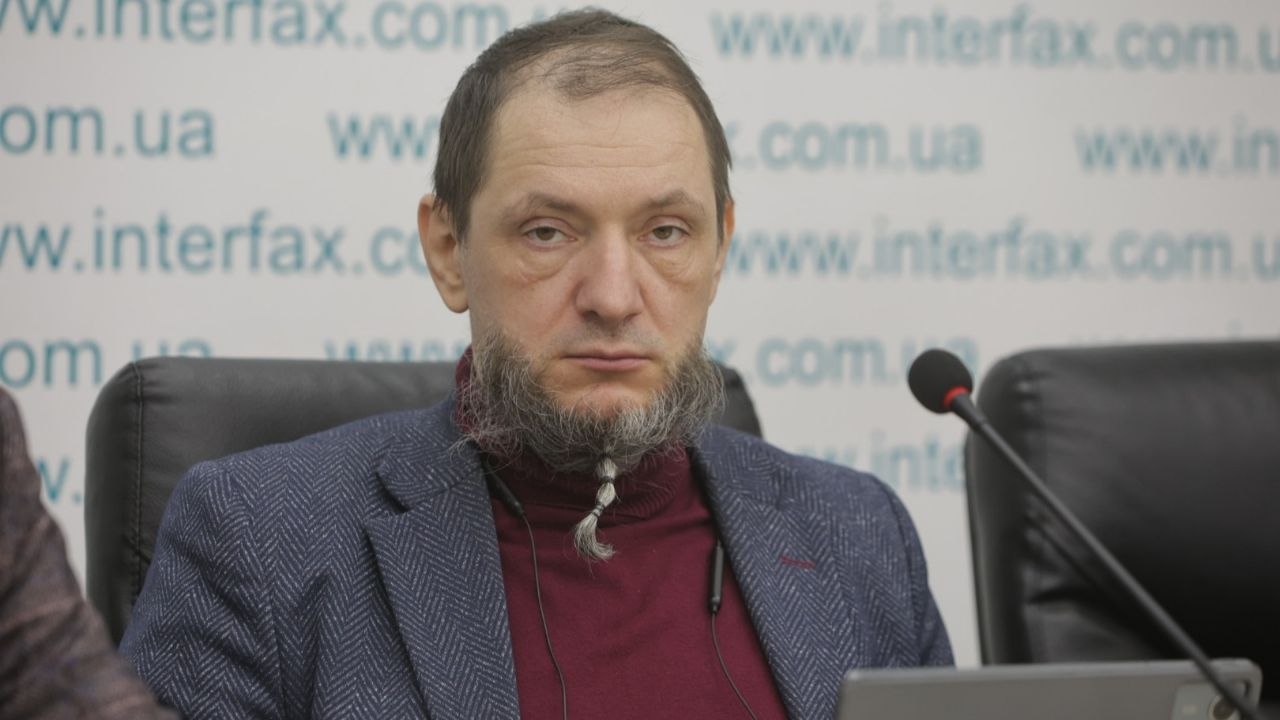
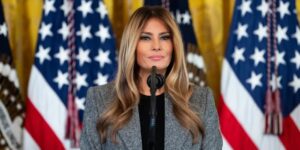
The sociologists separately examined attitudes toward Melania Trump’s personal role in the agreements concerning Oleshky. Her participation was assessed very positively by 29.7% of respondents and somewhat positively by 27.4%. A neutral position was expressed by 21.7%, a negative one by 5.7%, while 15.5% said they did not have sufficient information.
Oleksandr Pozniy, director of Active Group, pointed out that the US First Lady’s involvement in humanitarian mediation is not limited to the operation in Oleshky. In particular, he recalled previous efforts aimed at returning Ukrainian children.
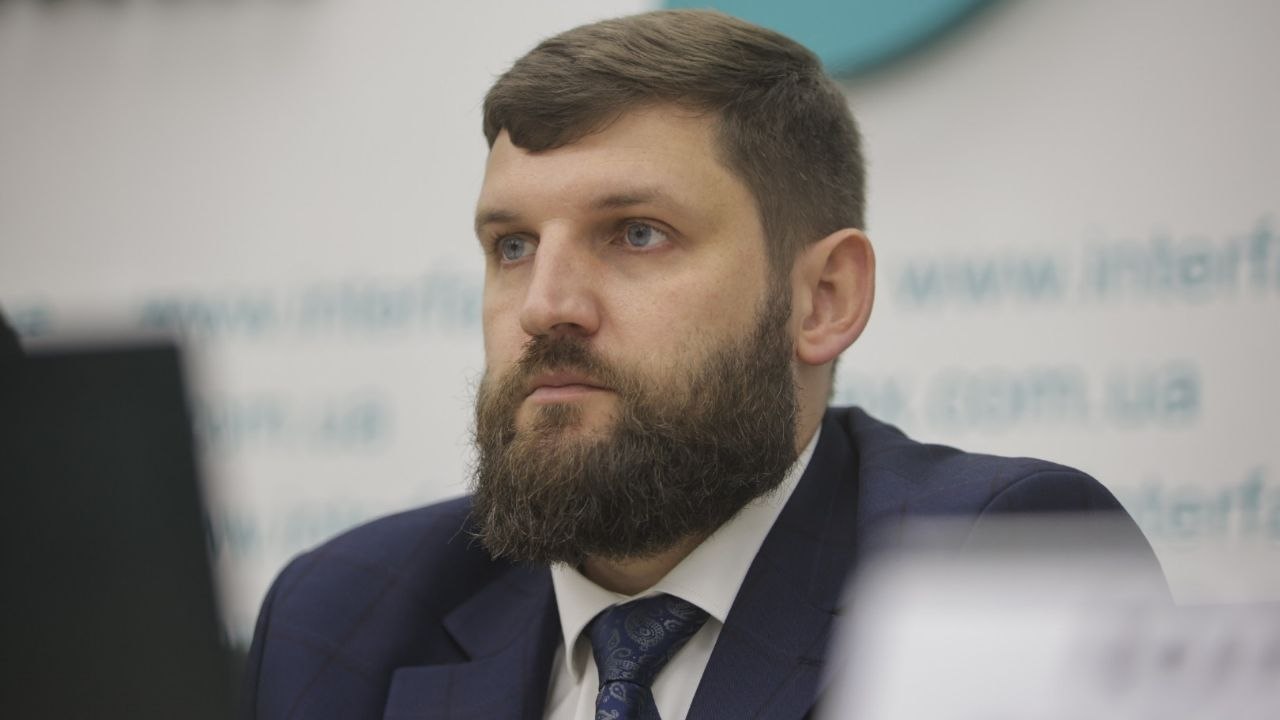
According to the sociologist, tangible humanitarian results can positively influence citizens’ attitudes toward international partners even when assessments of their policies are contradictory.
Vitaliy Kulyk, director of the Center for Civil Society Studies, described the humanitarian operation in Oleshky as a precedent for diplomatic mediation carried out without the direct involvement of traditional international humanitarian organizations.
“This is not institutional diplomacy at the level of foreign ministers or the US State Department. It was specifically Melania Trump’s team that maintained constant contact with the Ukrainian and Russian ombudsmen. What was achieved through her team’s diplomacy had not been achieved by anyone before,” Kulyk said.
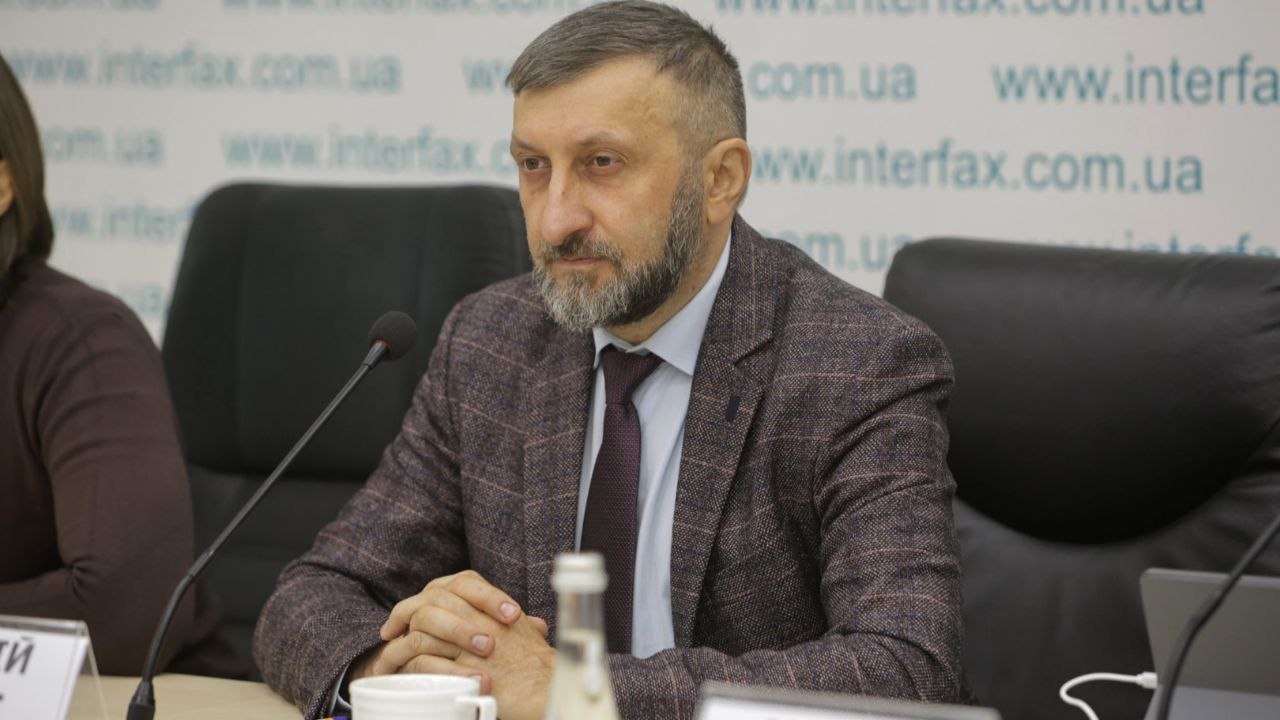
In the expert’s opinion, the agreements reached demonstrated the potential of personal mediation and working contacts between representatives of the parties even under conditions of full-scale war.
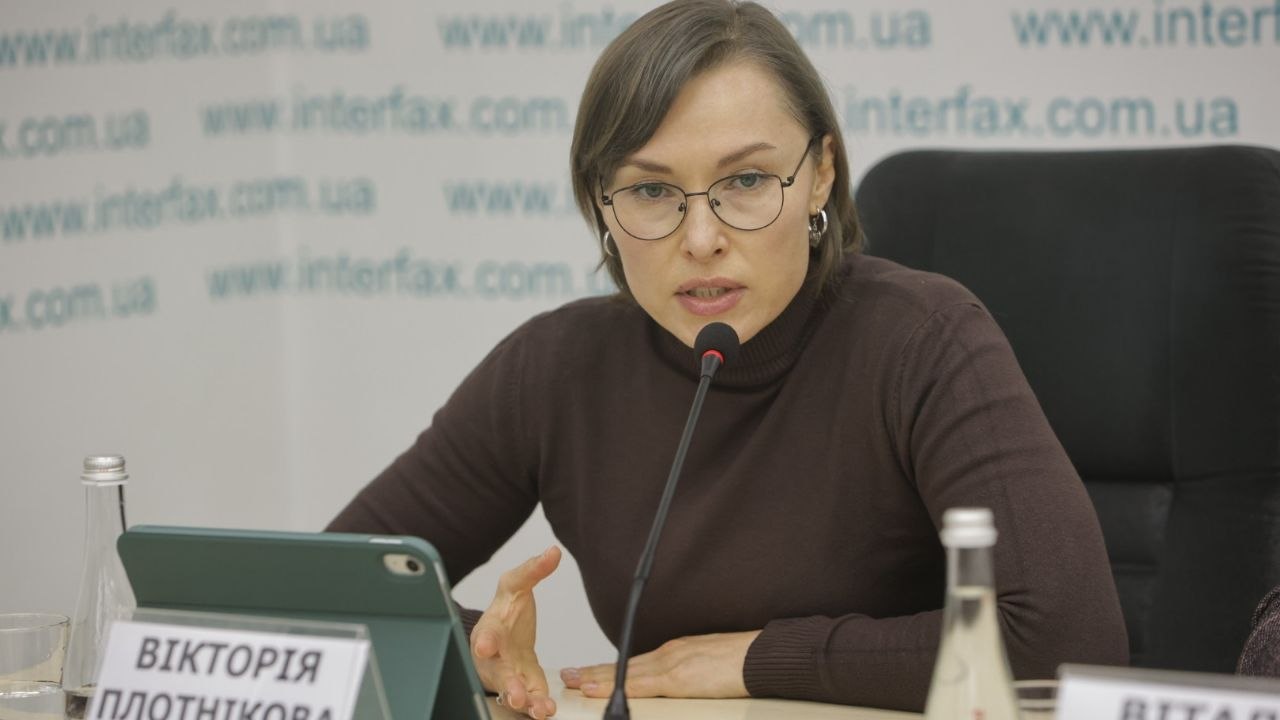
At the same time, Viktoriya Plotnikova, editor-in-chief of Politarena, cautioned against excessive optimism regarding the repetition of similar operations. According to her, the mission’s success resulted from a combination of favorable political circumstances and personal interaction among the participants in the negotiations.
“Here, it is cooperation not between institutions but, most likely, between individuals, which coincided with a favorable situation both with the United States and in Russia. Therefore, it is very difficult to predict what will happen next. Of course, I hope that there will be such successful humanitarian missions,” she emphasized.
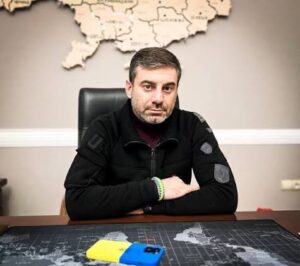
Overall, 93.6% of surveyed Ukrainians support the humanitarian operation in Oleshky, while 93.8% consider it important for the civilian population. The decision by Ukrainian Parliament Commissioner for Human Rights Dmytro Lubinets to personally join the mission was positively assessed by 61.3% of respondents.
The results concerning changes in attitudes toward the US reflect respondents’ self-assessments following reports about the humanitarian agreements, rather than a comparison of indicators from two separate surveys.
The Active Group study was conducted on October 31, 2026, at the request of Politarena through the SunFlower Sociology online panel among 1,000 respondents. The stated statistical margin of error is ±3.1%. According to the organizers, the sample represents Ukraine’s adult population, excluding temporarily occupied territories.
ACTIVE GROUP, humanitarian mission, Melania Trump, SOCIOLOGY, UNITED STATES, Олешки