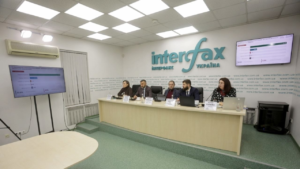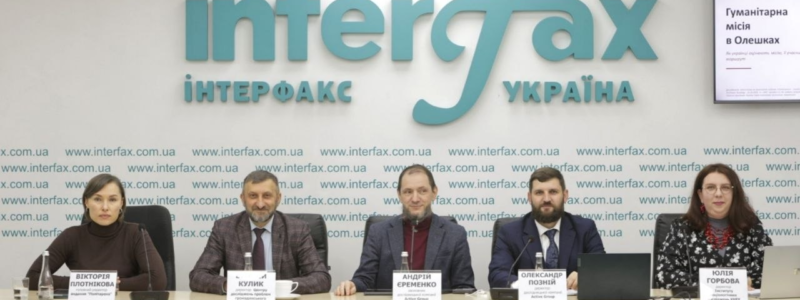
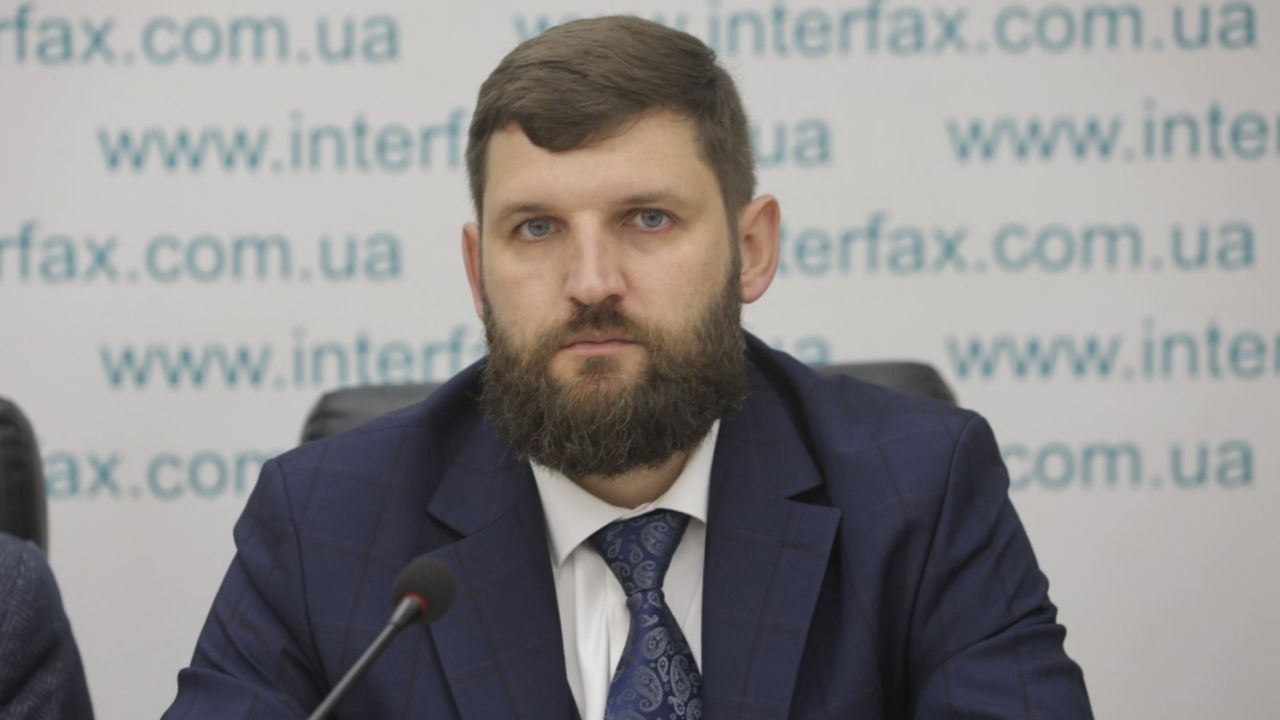
Direct contacts between Ukrainian authorities and representatives of the Russian Federation exclusively for the purpose of providing humanitarian assistance and saving civilians are considered acceptable by 86.8% of surveyed Ukrainians, while 65.5% consider the use of an evacuation route through Russia and Belarus acceptable, according to the results of an Active Group study presented on Tuesday at a press conference at the Interfax-Ukraine news agency.
According to the survey, conducted on October 31 at the request of the publication Politarena, 49.6% of respondents consider direct humanitarian contacts with Russia unconditionally acceptable, while another 37.2% consider them acceptable under clearly defined conditions and supervision. Such contacts were described as unacceptable by 3.7% of respondents, while 9.5% were unable to decide.
Andriy Yeremenko, founder of the research company Active Group, noted that the results reflect Ukrainians’ pragmatic approach to humanitarian agreements, in which preserving human lives remains the main criterion of effectiveness.
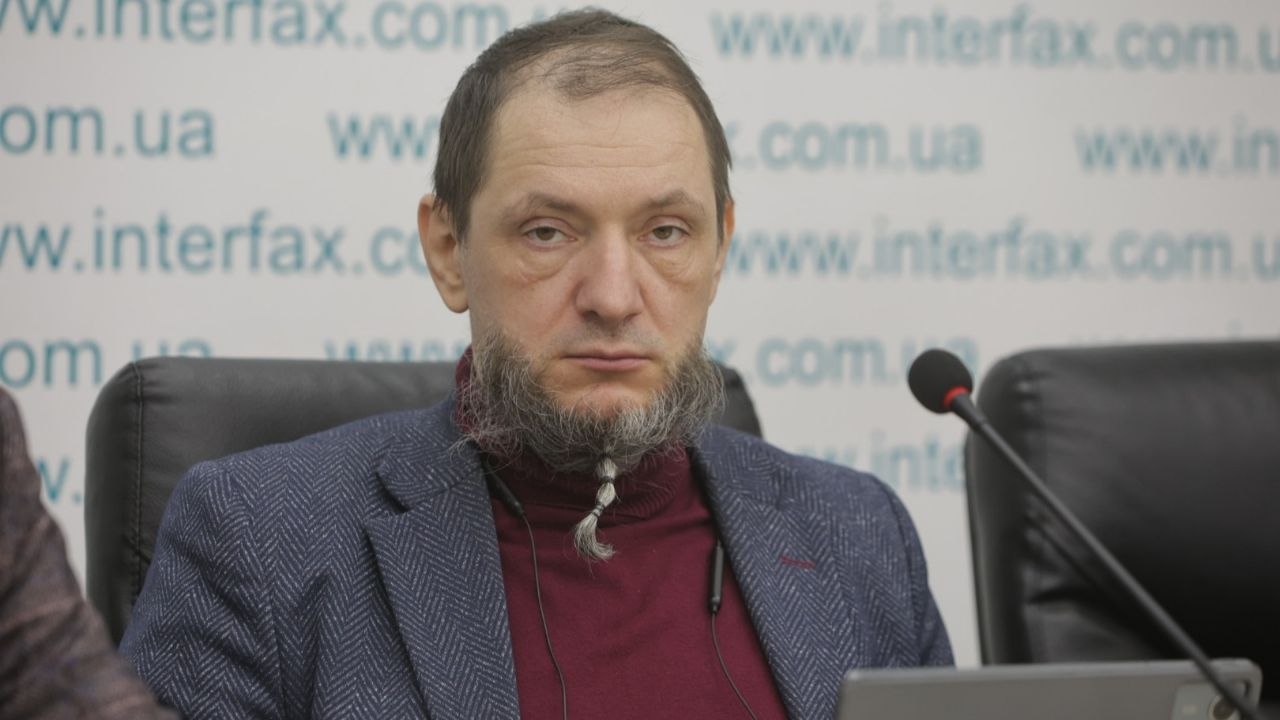
“We see a demand for issues that can be resolved in Ukraine’s interests, on Ukrainian terms and for Ukraine’s benefit, to be resolved through negotiations rather than military action. This is a very widespread opinion among Ukrainians,” he emphasized.
At the same time, the sociologist stressed that willingness to engage in humanitarian contacts does not mean agreeing to political concessions to Russia.
According to him, Ukrainian society maintains its fundamental demands regarding the non-recognition of the occupation of Ukrainian territories, preventing any reduction in the country’s defense capabilities and restrictions on its sovereign decisions. At the same time, citizens are becoming more flexible in assessing practical mechanisms for achieving specific results.
A separate section of the study concerned the route of the humanitarian mission in the temporarily occupied town of Oleshky in Kherson region through the territories of Russia and Belarus.
According to the sociologists, 30.3% of respondents consider such a route acceptable, while another 35.2% consider it acceptable only with additional security guarantees. It was described as unacceptable by 11.1% of respondents, while 23.4% stated that they did not have sufficient information to assess it.
The question was formulated taking into account circumstances in which a direct route across the front line would require demining strategic areas and could weaken Ukraine’s defenses.
Yeremenko explained that the choice of route was determined not only by logistical possibilities but also by the need to take military risks into account.
“Organizing a corridor for a bus to cross the front line means that demining would have to be carried out, and there would be a possibility of losing or exposing certain concealed positions. These are real problems for Ukrainian defense, at least potentially. The main thing is to evacuate people, because that is the principal result,” he said.
Oleksandr Pozniy, director of Active Group, drew attention to the significant difference between critical assessments widespread on social media and the survey results.
“We have repeatedly seen that the way social media and society online became agitated differed very significantly from what Ukrainians actually thought. It was important for us to measure this difference in order to understand what Ukrainians really think,” he said.
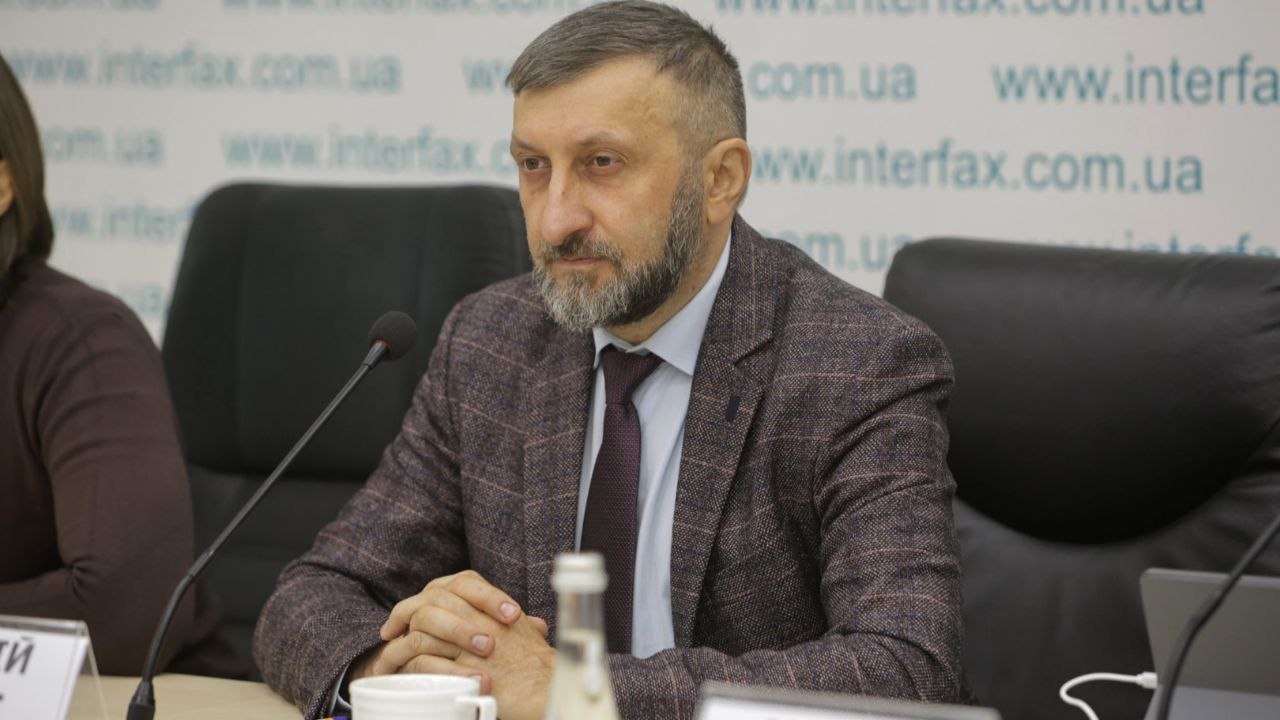
Vitaliy Kulyk, director of the Center for Civil Society Studies, commenting on the results, described the mission in Oleshky as unprecedented in terms of its implementation mechanism and the participation of Ukrainian Ombudsman Dmytro Lubinets.
“This is truly an extraordinary mission, since during a war an ombudsman travels to enemy territory and rescues citizens. As a rule, similar cases in the history of conflicts have taken place through the mediation of international organizations,” the expert stated.
In Kulyk’s opinion, the successful implementation of the humanitarian operation could create the preconditions for subsequent local agreements. At the same time, he cautioned that expanding such a practice would depend on the political situation and the parties’ willingness to fulfill their commitments.
According to the study, 72.3% of respondents identified preserving the lives and health of civilians as the most important result of the mission, 61.3% cited the safe and voluntary departure of those wishing to leave, and 39.8% cited the delivery of food, water and medicines.
The possibility of conducting similar humanitarian operations in the future was mentioned by 31.6% of respondents, while 29.7% mentioned maintaining the ceasefire and complying with the agreed arrangements. Respondents could select up to three answers.
Overall, 93.6% of respondents supported the humanitarian mission in Oleshky, while 93.8% consider it important for the civilian population.
The survey was conducted by Active Group on October 31, 2026, at the request of Politarena through the SunFlower Sociology online panel. The number of respondents was 1,000. The stated statistical margin of error is ±3.1%. According to the organizers, the sample represents Ukraine’s adult population, excluding temporarily occupied territories.
ACTIVE GROUP, humanitarian mission, RUSSIA, SOCIOLOGY, UKRAINE, Олешки