

The volume of the Ukrainian market for distributed generation equipment and installation services, as well as energy storage systems, exceeds $4 billion, according to industry experts. Further development is being hampered by damage to power grids, difficulties connecting new facilities, and a lack of community-level planning. This was stated by participants in the Energy Resilience Ukraine 2026 project, during which the TOP-50 ranking “Distributed Generation Solutions and Energy Storage” was presented.
Member of Parliament and member of the Verkhovna Rada Committee on Energy and Housing and Communal Services Serhii Nahorniak emphasised that the construction of local power plants must be combined with the modernisation of transmission and distribution networks.
“Today, we can see how difficult it is to transmit electricity generated by nuclear power plants to end consumers. If we do not invest in the grids, any distributed generation, just like nuclear or hydropower generation, will not reach the end consumer. Therefore, the expansion of generation capacity and the development of transmission and distribution systems must take place in parallel,” he said at a press conference at the Interfax-Ukraine news agency on Thursday.

Nahorniak also drew attention to the uneven distribution of investments, noting that businesses are more willing to build facilities in the west of the country, while a significant shortage of generation capacity is observed on the left bank of the Dnipro River. He identified war-risk insurance as one of the incentives.
Maksym Urakin, founder of the Experts Club information and analytical centre and marketing director of the Interfax-Ukraine news agency, noted in turn that during periods of peak consumption, demand may reach approximately 18 GW, while the gap between demand and available domestic generation is approximately 7 GW. He estimated electricity import capacity from Europe at 2.3–2.5 GW, which is insufficient to fully cover the deficit.
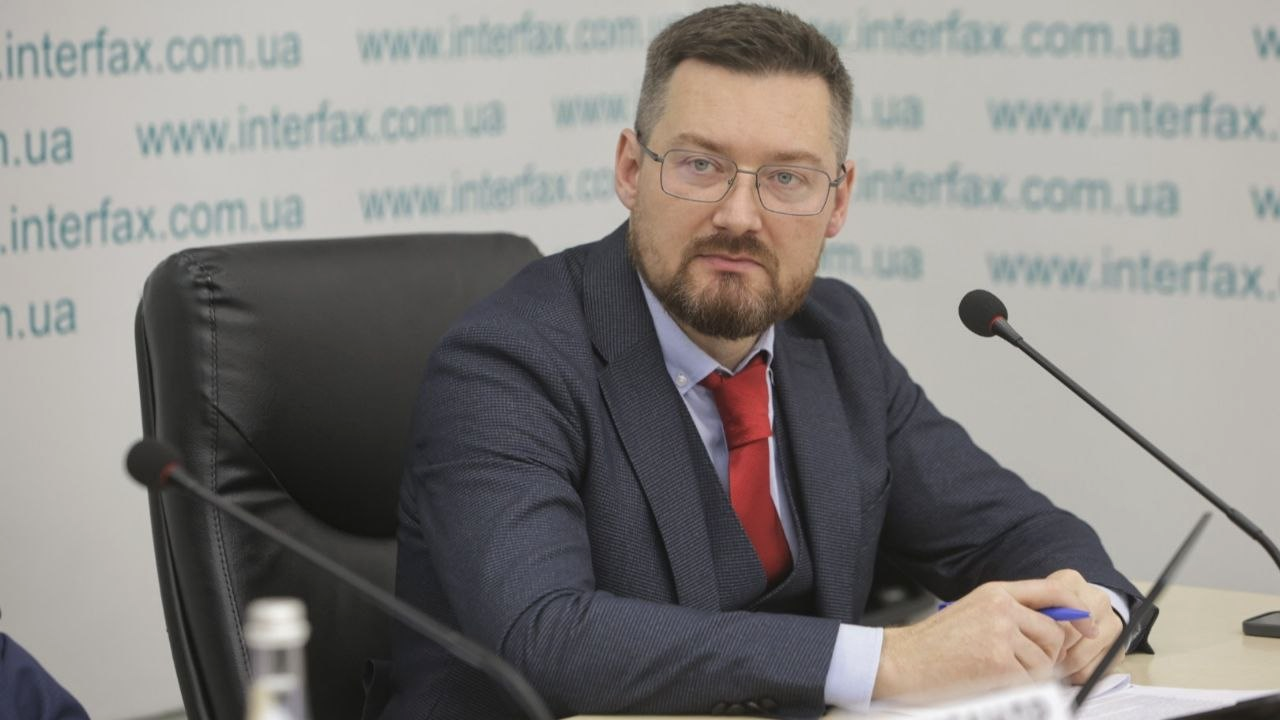
Oleksandr Holizdra, head of the League for Energy Development of Ukraine, reported that the organisation had compared customs data with information on the commissioning of generation capacity. According to his estimates, approximately 1.5 GW of solar generation capacity was commissioned in Ukraine in 2025. He estimated the value of imported equipment at $3.5 billion and installation services at $620 million.
“We compared customs data with various sources and saw the scale of investment in this sector. According to our estimates, installation work alone amounts to approximately $620 million per year, while the entire market exceeds $4 billion. At the same time, there is insufficient structured information in the public domain about companies that design, supply, and install this equipment,” Holizdra added.
The ranking comprises four categories: suppliers and installers; enterprises with their own generation capacity; communities and regions; and projects worth replicating. Under the methodology, 50% of the assessment weight will be based on the amount of capacity actually commissioned in 2025, while the remainder will be determined by an expert jury.
“We will assess specifically the capacity that has been commissioned, rather than simply equipment that has been purchased or imported. This accounts for the first 50% of the ranking’s weight, while the second part is the assessment of an independent expert jury. We will not disclose information about the specific locations of generation facilities for security reasons,” Oleksandr Holizdra clarified.
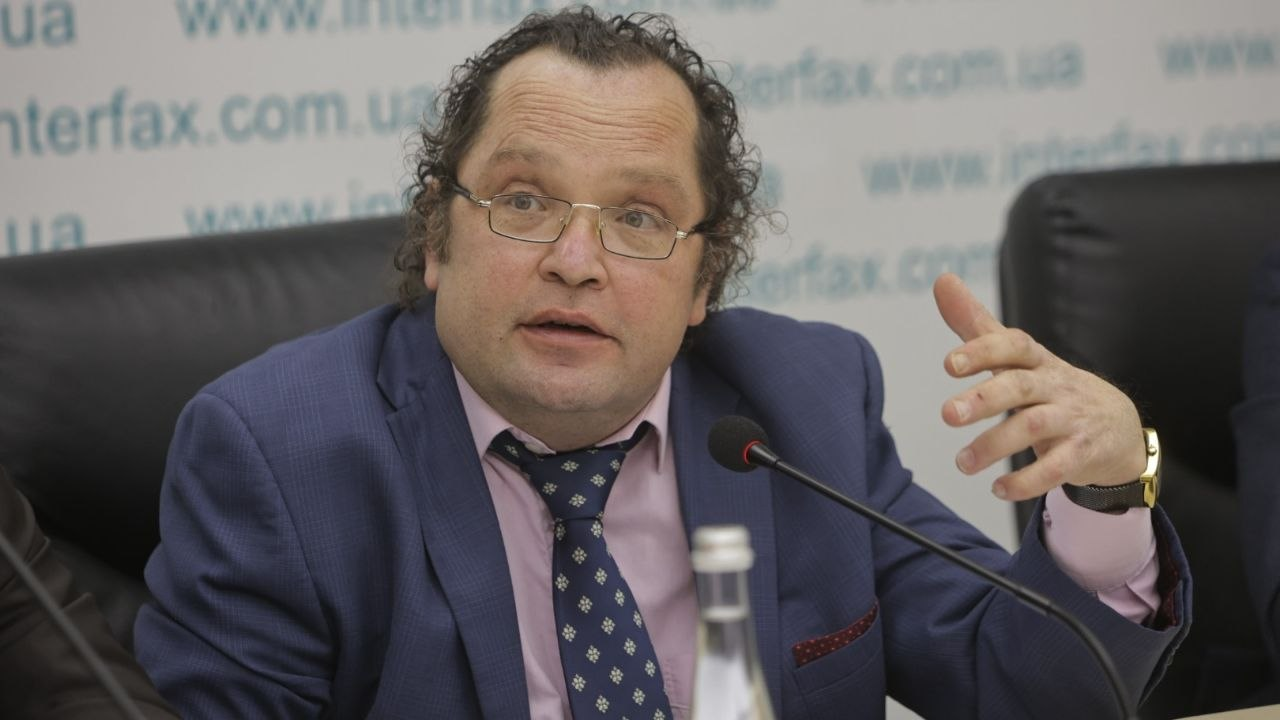
Pavlo Kozyriev, head of the Association of Small Cities of Ukraine, presented the results of a study on the energy resilience of communities conducted with the support of the German organisation GIZ. Feasibility studies were prepared for five pilot communities to support negotiations with banks and investors, and 20 barriers to the development of distributed generation were identified.
Among the barriers, he cited outdated grids, administrative difficulties in connecting facilities, a shortage of financing, and limited community access to energy consumption data. Another problem is the practical application of simplified procedures for connecting energy installations.
“When we were developing feasibility studies, we encountered the fact that a municipality responsible for public utilities cannot always obtain even objective data on electricity consumption within its territory. We identified 20 key barriers and developed possible steps to eliminate each one. We also described potential sources of financing, responsible implementers, and approximate timelines,” he explained.
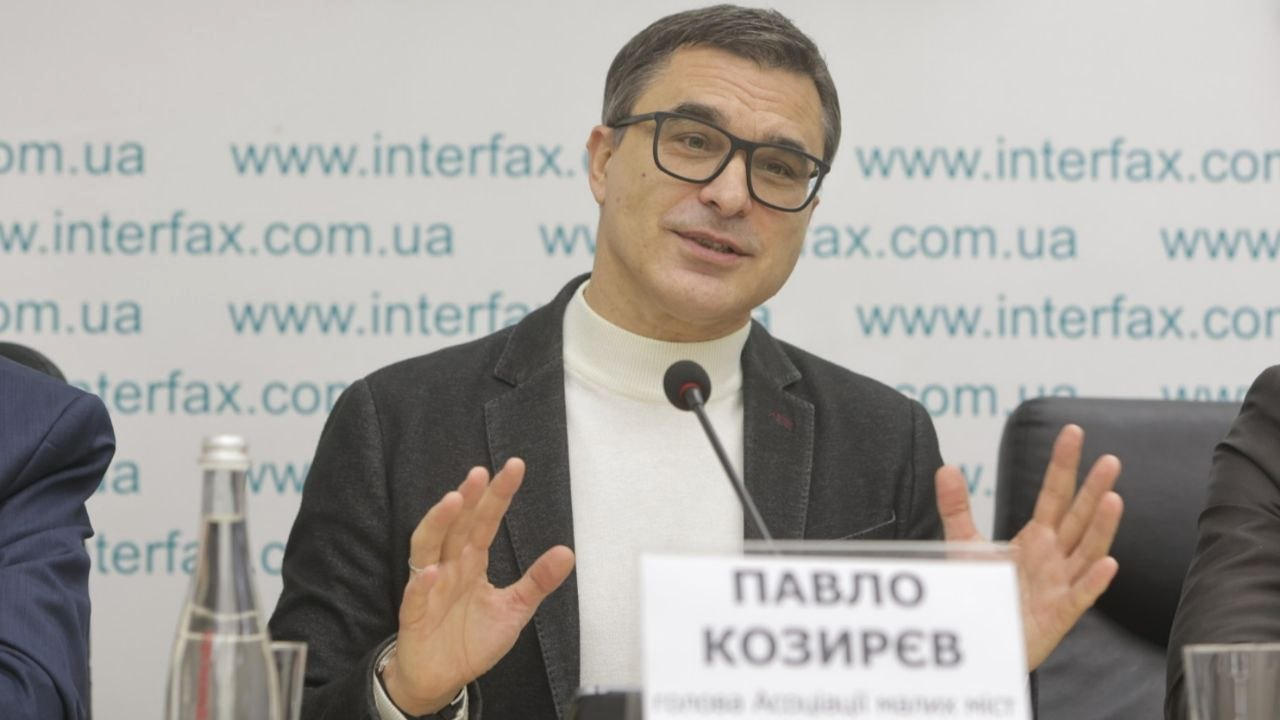
According to Kozyriev, the association’s “Supermarket of Solutions for Communities” platform brings together more than 22,000 participants and representatives of 1,289 communities. It helps municipalities interact with investors and suppliers of energy solutions.
Meanwhile, Mykola Savchuk, deputy chairman of the board of the Ukrainian Wind Energy Association, called for a distinction between equipment imports, installation, and commissioning. According to him, differences between these indicators are particularly noticeable in statistics on solar generation, cogeneration units, and energy storage systems.
“Statistics often confuse the concepts of ‘imported,’ ‘sold,’ ‘installed,’ and ‘commissioned.’ If customs statistics show certain capacities, this does not mean that all the equipment is already operating within the system. To assess distributed generation, it is necessary to clearly define the categories of facilities and the actual results of their operation,” Savchuk said.
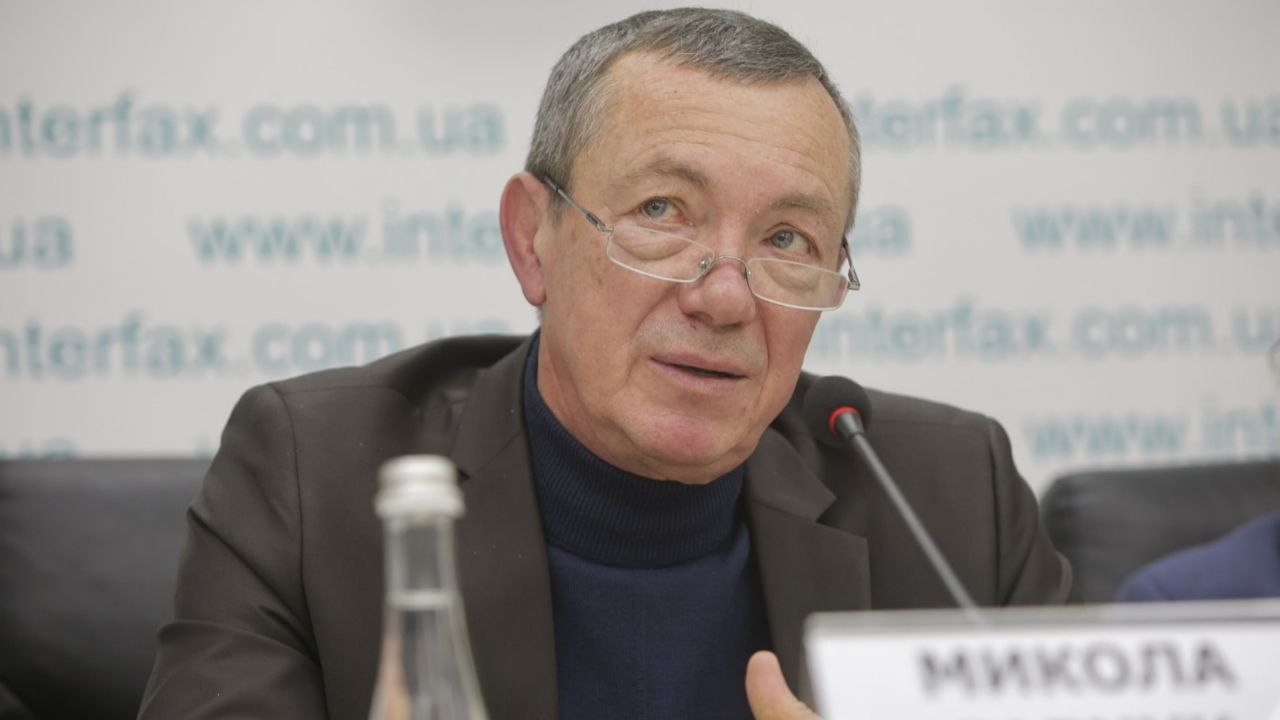
He also stated that some of the equipment transferred to communities is being used insufficiently effectively: according to his estimates, the utilisation rate of certain solutions is only 15–17%. Savchuk identified local microgrids and energy “islands” as a solution.
“After the first blackouts, communities received diesel generators, later solar power plants, and then cogeneration units. But without a unified plan and specialists who understand consumption and the system’s operating conditions, the equipment is not being used to its full potential. This problem can be solved through microgrids and energy islands,” the expert explained.
Oleksandr Aliokhin, chairman of the Solar Power Plant Installers Committee of the Solar Energy Association of Ukraine, reported rapid growth in the energy storage systems market. According to his preliminary estimate, the energy capacity of large-scale containerised installations in Ukraine could reach 5 GWh by the end of 2026.
“We are seeing a transition from separately installed storage systems to hybrid systems, where batteries are physically combined with solar power plants. While last year the ratio of such solutions to standalone installations was approximately 10% to 90%, this year it is already 30% to 70%. Next year, according to our expectations, it could reach 50% to 50%,” Aliokhin emphasised.
According to him, storage systems are being installed not only for electricity trading but also to ensure the uninterrupted operation of enterprises. They are used by industrial facilities, filling stations, shops, and other consumers.
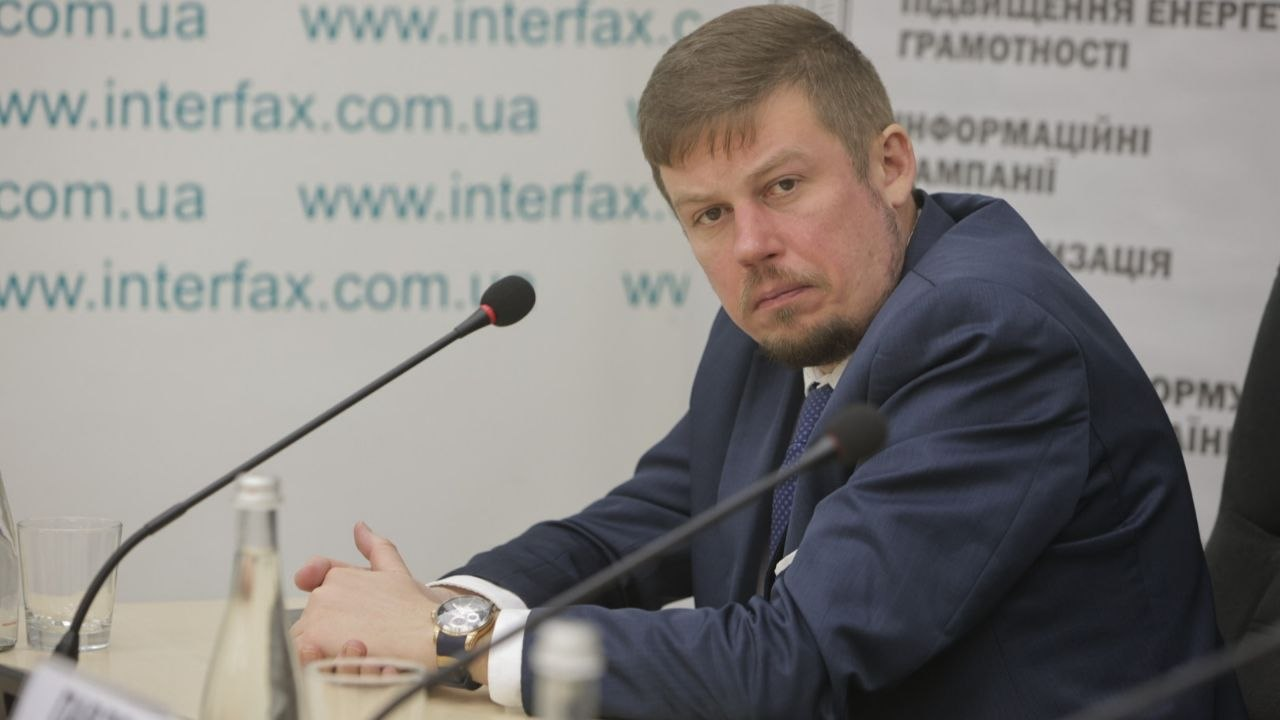
Stanislav Ihnatiev, Doctor of Technical Sciences and chairman of the board of the Institute for Sustainable Development, noted that generation plans must take into account the condition of substations. According to his estimates, the available capacity for connecting new generation facilities is limited to approximately 620 MW. He cited cogeneration in Kharkiv and Khmelnytskyi as examples of how cities are adapting.
“We can build new generation capacity, but we face serious restrictions on connecting it to the grids. Substations are damaged, and sometimes there is no way to transmit electricity to consumers even when it can be generated. Therefore, restoring grid infrastructure is no less important than installing new power plants,” Ihnatiev added.
Participants noted that the development of distributed generation requires investment, grid restoration, and planning at the community level. The organizers of the ranking will collect questionnaires throughout November and in early December, without disclosing the locations of generation facilities.
To participate in the competition, you can fill out one of the questionnaires using the following links:
Experts Club is an independent Ukrainian information and analytical center specializing in the study of economic, financial, political, and social processes in Ukraine and around the world. The center conducts macroeconomic analysis, studies international trade, investment trends, business development, and sectoral markets, and prepares expert reviews, forecasts, and analytical materials. Its main areas of activity include organizing conferences, roundtables, and expert discussions, conducting information campaigns, producing video analyses, and developing international expert cooperation. The center brings together researchers, economists, entrepreneurs, and industry specialists, contributing to the dissemination of verified information and improving the quality of public and business decisions.
Interfax-Ukraine is an independent Ukrainian news agency that has been operating in the political and economic information market since 1992. The agency specializes in the timely coverage of events in Ukraine and around the world, providing information, analytical, and specialized products for the mass media, government institutions, financial organizations, and businesses. The agency’s activities cover economics, finance, politics, energy, industry, international relations, and other areas of public importance. Interfax-Ukraine also facilitates press conferences, presentations, and expert events at its own press center. The agency is registered as an entity operating in the online media sector, and its activities are financed through subscriptions to information products, advertising services, the publication of press releases, and the organization of events.
The League for Energy Development of Ukraine (LEDU) is a Ukrainian non-governmental organization whose activities are aimed at developing the energy sector, improving the effectiveness of communications, and establishing dialogue between government authorities, energy market participants, experts, mass media, and energy consumers. The organization’s main areas of work include holding industry discussions, presenting energy projects, discussing regulatory initiatives, promoting modern energy technologies, and improving energy literacy among businesses, communities, and the general public. The League pays particular attention to the development of distributed generation, renewable energy, energy storage systems, and solutions for ensuring energy autonomy. Together with the Interfax-Ukraine news agency, the organization is implementing the Energy Resilience Ukraine 2026 project, aimed at identifying the most effective solutions in the field of Ukraine’s energy resilience.




