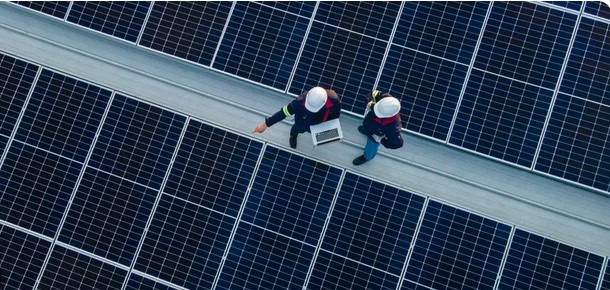
The large-scale deployment of solar power plants and battery energy storage systems could reduce the total operating costs of electric power systems by 40% in the 2030s, provided that equipment costs continue to fall and electricity consumption grows simultaneously, according to a study by the Schneider Electric Research Institute (SERI), published by the international energy technology company Schneider Electric on November 10, 2026.
As noted in the company’s official press release, the report System Costs of Electricity: A New Baseline for the 21st Century Economy analyzes 40,500 energy system development scenarios with various combinations of costs for solar generation, batteries, and grid infrastructure.
The aim of the study was to determine how the proliferation of distributed energy resources—specifically rooftop solar power plants and batteries—will affect the overall costs of the power system, including centralized generation and grid operation.
According to the researchers’ estimates, even at current global average installation costs for solar panels and batteries, an optimal combination of these technologies could reduce total system costs by approximately 10%. With the projected decline in equipment costs in the 2030s, potential savings could reach 40%.
At the same time, the company emphasizes that the realization of such a scenario depends on the synchronized development of solar generation, energy storage, and the electrification of the economy. According to Schneider Electric’s estimates, these savings could contribute an additional 0.8% of global GDP to the world economy by 2030.
Researchers cite the development of battery capacity as one of the key factors in the efficiency of the power system. Under average global price conditions, a mismatch between the characteristics and operating duration of storage systems and the needs of various facilities could, conversely, increase total system costs by 35% compared to the current baseline.
The study also showed that not only the pace of renewable energy deployment is important, but also the sequence in which generation, storage, and consumption are developed. If the pace of electrification lags behind or outpaces the deployment of new power generation capacity, grid costs may temporarily rise.
Schneider Electric notes that increased electricity consumption by electric vehicles, heat pumps, data centers, and industrial facilities will allow for more efficient use of the existing grid infrastructure. Rising consumption levels, combined with load balancing, will help spread fixed costs across a larger volume of electricity sold and reduce its system-wide cost.
“Over the past decade, solar energy has been viewed as an intermittent energy source. But we’ve been looking at this generation asset the wrong way: solar energy is the fuel, and the battery is the power plant,” said Laurent Bataille, Executive Vice President of European Operations at Schneider Electric.
According to him, battery systems significantly expand the possibilities for using solar generation; however, reducing the costs of the entire electricity system is only possible through the coordinated development of generation, storage, and demand.
“Thanks to the significantly faster scaling of solar energy and batteries, Europe can set itself on the path to energy sovereignty and competitiveness. The pieces are falling into place; now we need acceleration and coordination,” Batay emphasized.
Esther Finidori, Chief Sustainability Officer at Schneider Electric, also stressed the need to align the energy transition with economic efficiency.
“This study shows that sustainability and affordability can reinforce each other, but coordination is critically important. The priority now must be to turn ambitions into action by accelerating demand for electrified energy, ensuring more flexible energy use to smooth the load curve and free up capacity, and removing barriers to the deployment of solar power and batteries,” she said.
Researchers have identified three key areas of public policy that can accelerate the reduction of electricity costs. These include introducing incentives to balance daily consumption patterns, simultaneously supporting the development of renewable generation and electrification, and reducing equipment costs by improving supply chains, streamlining permitting procedures, and training qualified specialists.
The company believes that regulatory policy should, first and foremost, create conditions for the development of distributed generation and energy storage systems, rather than imposing strict requirements on the volume of their use by individual consumers.
For Ukraine, the study’s findings are particularly significant given the need to enhance the resilience of the power grid, develop distributed generation, and ensure an uninterrupted power supply to businesses and critical infrastructure. The combination of solar power plants, batteries, and digital energy management systems can reduce individual consumers’ dependence on the centralized power grid and increase the flexibility of the energy infrastructure.
Schneider Electric is a French multinational energy technology company whose history dates back to 1836. It specializes in energy management, industrial automation, and the digital transformation of buildings, data centers, infrastructure, and industrial facilities. The company’s portfolio includes low- and medium-voltage electrical equipment, automation systems, uninterruptible power supplies (UPS), the EcoStruxure software platform, and digital services. Schneider Electric operates in over 100 countries and employs approximately 160,000 people. As of 2025, the group’s revenue reached EUR 40.15 billion, an increase of approximately 5.2%, while net income amounted to EUR 4.2 billion.
Schneider Electric began operations in Ukraine in 1994, registered a representative office in 1996, and established Schneider Electric Ukraine LLC in 2000. The company supplies electrical equipment, automation systems, energy management solutions, and uninterruptible power supplies for the industrial, commercial real estate, energy, and infrastructure sectors. Its Ukrainian subsidiary has commercial divisions as well as logistics, engineering, and service support teams.
In August 2026, Schneider Electric announced its participation in the modernization of heating systems in 26 Ukrainian cities, which received equipment to improve the energy efficiency and operational reliability of their municipal infrastructure. In addition, in July, the company announced its support for Ukrainian universities by providing software for power grid design and training more than 200 faculty members from 30 higher education institutions.
BATTERY, ELECTRICITY, ENERGY, INVESTMENT, Schneider Electric, SOLAR

Related: