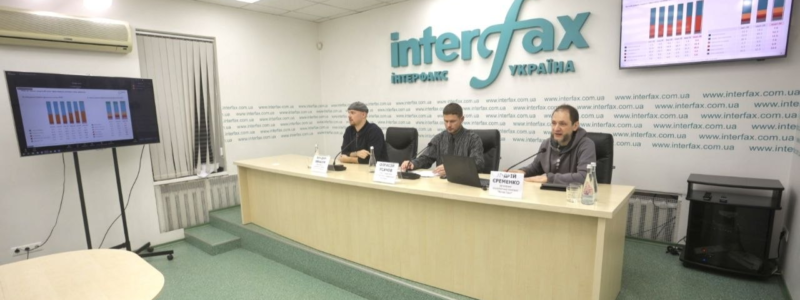
About 80% of Ukrainians surveyed believe that the coming winter will be more difficult than the previous one, while almost as many consider the authorities’ preparations for the heating season insufficient. Against the backdrop of prolonged power outages and discussions surrounding the construction of protective structures for substations, participants in a meeting of the Capital Region discussion club called for stronger oversight of spending, the creation of a reserve of energy equipment, and accelerated development of distributed generation.
Andriy Yeremenko, founder of the Active Group research company, reported that about 80% of respondents expect the situation to worsen in winter. According to him, pessimism increases during cold spells and shelling and decreases in spring.
“We see that 80% consider the coming winter more difficult than the previous one. Winter begins, we see the problems more clearly, everything that we did not manage to finish building or completing, and accordingly our expectations become worse. And in spring, when it becomes clear that we have made it through the winter, expectations become more optimistic again,” Yeremenko said at a press conference at the Interfax-Ukraine news agency on Friday.
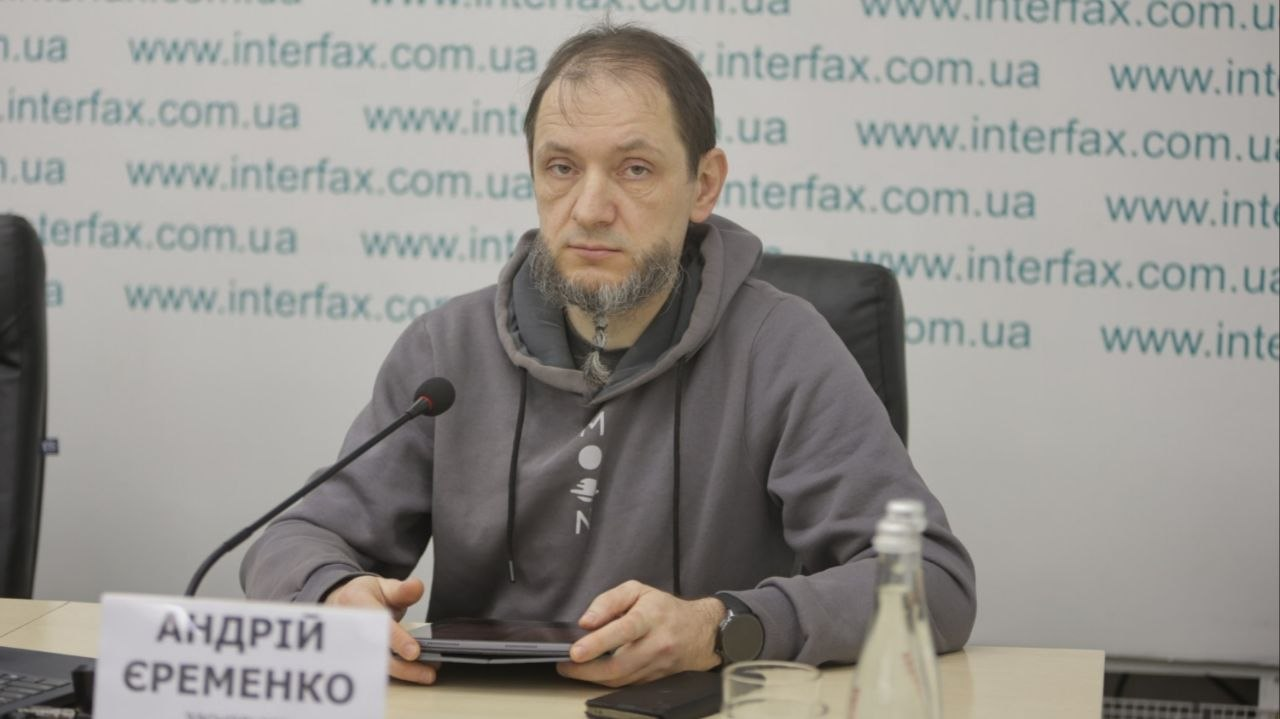
According to the surveys presented, only about 14% of respondents consider the authorities’ efforts to prepare for the heating season sufficient, while almost 80% consider them insufficient. Negative assessments also prevail in responses to questions about preparations for attacks on the energy system and the protection of critical infrastructure facilities.
The sociologist linked these attitudes to the consequences of shelling and reports of alleged abuses in reconstruction. At the same time, citizens do not always distinguish between the responsibilities of the state, local authorities, and energy companies.
“When we asked who should be responsible for preparing cities for protection against shelling, the assessments showed a slight predominance of emphasis on the central government. At the same time, people perceive disputes between the central and local authorities primarily as a political struggle rather than as something constructive. This creates problems for both sides,” Yeremenko explained.
According to the survey results, restoring the energy sector is the most important budgetary priority after defense. Respondents are also concerned about losing specialists due to changes in the military service reservation system.
The studies also showed that communication outages have become no less significant a problem for citizens than the absence of electricity: 37% of respondents consider the loss of mobile communications and internet access more painful than a power outage. Unlike household lighting, which some consumers can maintain using batteries and generators, communication services also depend on external networks.
Yeremenko clarified that the figures come from different waves of research conducted between 2023 and 2026. The surveys were conducted using Active Group’s online panel; the typical sample size was 1,000 respondents, with a stated theoretical margin of error of 3.1%.
Oleksii Usachov, Chairman of the Board of the Institute of Ukrainian Politics NGO, recalled that Russia’s massive strikes against energy infrastructure have continued since October 2022. He emphasized the capital’s dependence on the power networks of Kyiv Region and the lengthy production times required to replace damaged electrical equipment.
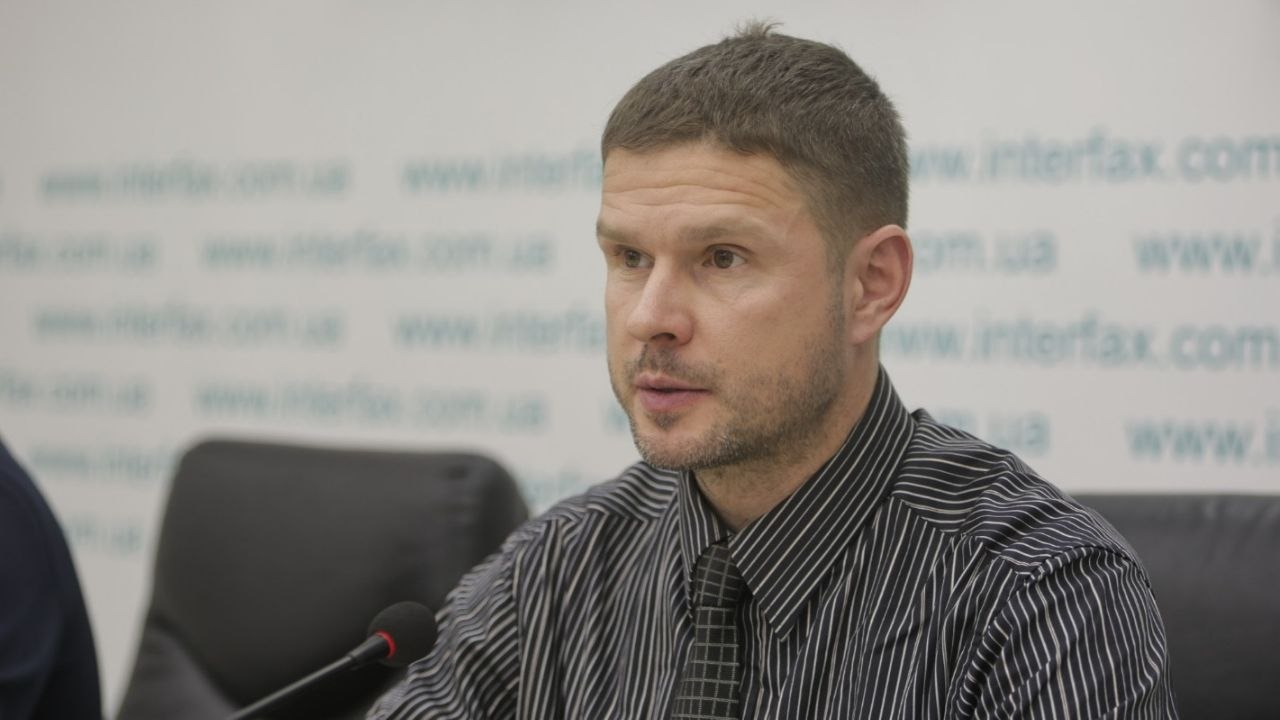
“Under our current circumstances, the first priority is to ensure that people have electricity, heating, and water, so it is necessary to strengthen the physical protection of energy facilities. It is essential to create a reserve of equipment for rapid restoration after damage. Distributed generation must also be developed,” Usachov stressed.
Among other tasks, he mentioned providing repair crews with equipment, retaining specialists, and supporting the energy autonomy of enterprises.
A separate subject of discussion was the situation with protective structures for energy substations in Kyiv Region. Participants stated that it was necessary to verify construction deadlines, the justification of cost estimates, and the procedures for engaging contractors. At the same time, allegations voiced during the meeting concerning possible inflation of project costs were not presented as facts proven by law enforcement authorities.

Oleksandr Holizdra, Chairman of the League for Energy Development of Ukraine NGO, proposed involving the owners of the relevant energy facilities, particularly distribution system operators, more extensively in designing and constructing protective structures. In his opinion, these enterprises possess the technical expertise needed to prepare design and cost-estimate documentation and organize specialized work through transparent procedures.
“When funding is available, logically, the owner of a substation should prepare the design and cost-estimate documentation and submit it to the body responsible for administering the funding. Then a contractor must be selected through lawful procedures and the protective shelter built. I would suggest following precisely this approach rather than looking for random companies,” Holizdra said.
He also advocated establishing a mechanism for professional public monitoring of the construction and restoration of energy infrastructure. Under his proposal, engineers and representatives of professional civil society organizations should participate in this work, as they are capable of assessing project implementation without disclosing information that could pose a security threat.
“In my view, public oversight should be introduced over the construction of protective shelters and the restoration of substations and networks. Monitoring should be carried out by specialists who understand these issues. The results should be reported to the public without identifying specific locations or naming facilities,” Holizdra emphasized.
Bohdan Kvashuk, a representative of the legal department of the nationwide NGO Stop Corruption, supported this initiative, noting that insufficient openness regarding the use of public funds could increase distrust of government decisions. He criticized public conflicts surrounding contracting work and called for personal accountability for the preparation and implementation of energy protection projects.
“The presence of public oversight in any sphere of public administration ensures transparency and public trust. Without such oversight, trust will be lost, and people will perceive any action by the state as concealed or corrupt. That is why this is an extremely important factor,” Kvashuk added.

He called for construction work to be planned in advance, taking into account the limitations of the winter period and repeated attacks. He did not provide documentary evidence to substantiate his allegations of possible abuses during the event.
Usachov also pointed out that public mutual accusations between officials and contractors could discourage private companies from participating in infrastructure restoration, particularly when they finance the work themselves before receiving payments from the budget. At the same time, in his opinion, the public must receive answers about the actual status of contract implementation, the funds spent, and those responsible for delays.
“The use of funds must be checked: who spent how much, where the money went, and where abuses occurred. The authorities must disclose all non-classified data so that it can be analyzed. Then there will be fewer grounds for unsubstantiated accusations,” he said.
Participants emphasized the need to balance spending transparency with the non-disclosure of sensitive information. The previously announced representatives of the authorities and the general contractor did not attend the meeting, so their response to the criticism was not heard.
In conclusion, Oleksii Usachov stressed that Ukrainians and businesses have already accumulated considerable experience operating during power outages, but the key issues remain the predictability of electricity supply, the speed of grid restoration, and the provision of critical services.
“The main demand from the population is predictable electricity supply and clear outage schedules so that people can adapt their lives and work to the availability or absence of electricity, heating, and water. For businesses, access to support programs is extremely important in order to increase energy independence. The issue is not only about criticism, but also about the authorities understanding people’s needs and being accountable for results,” he concluded.
ENERGY, ENERGY INFRASTRUCTURE, KYIV REGION, PROTECTION OF ENERGY FACILITIES

Related: