
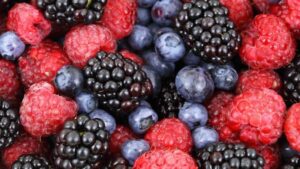
The risk of crop damage from night frosts following an early warm spell and a 50% increase in production costs due to rising prices for fuel and plant protection products (PPPs) will be the main challenges for Ukrainian berry growers in the 2026 season, according to an analytical report by the “Berry Growing of Ukraine” association.
“The main challenge of the season is temperature instability and the risk of damage to berry crops during critical stages of development,” the association’s experts noted.
Over 60% of Ukraine’s berry farms are switching to diesel generators to ensure stable operation of irrigation systems.
According to monitoring data from the “Berry Farming of Ukraine” association, the overwintering condition of key crops is mostly stable, though blueberries showed the greatest vulnerability to frost. Thus, the proportion of blueberry plants damaged by frost is 16.30%, while raspberries and strawberries fared much better over the winter—with losses at 2.50% and 1.80%, respectively.
Due to the damage to blueberries, the association forecasts a possible decrease in the gross harvest of this berry, accompanied by an increase in its average size.
The business association also noted a significant increase in production costs. According to the resource price growth index, plant protection products saw the largest price increase—by 1.61 times. Fuel prices rose by 1.48 times, and fertilizer prices by 1.34 times compared to the previous period.
According to the “Berry Farming of Ukraine” association, the issue of energy independence remains a priority for the industry. As of 2026, the structure of power sources for enterprises has diversified significantly: diesel generators account for the largest share of electricity supply—61.20%. Only 26.60% of farms remain fully dependent on the public grid, while 12.20% of producers already use their own solar power plants to minimize the risk of outages.
At the same time, most enterprises are equipped with autonomous sources that cover between 50.00% and 100.00% of their electricity needs for irrigation systems and refrigerators.
The Food and Agriculture Organization of the United Nations (FAO), in partnership with the European Union, has extended the application period for aggregators in the vegetable and berry farming sector to receive grant support, according to the FAO office in Ukraine.
“The program is designed for businesses that help small farmers integrate into supply chains. This involves investments in infrastructure and equipment that enable better storage, processing, and delivery of products, as well as entry into new markets,” the organization noted in a Facebook post.
Grants range from $26,000 (1.12 million UAH) to $150,000 (6.46 million UAH). Eligible enterprises are those developing an aggregation model centered on small producers in the Volyn, Zakarpattia, Ivano-Frankivsk, Lviv, Ternopil, Khmelnytskyi, and Chernivtsi regions.
Applications are being accepted by the State Agrarian Registry (DAR) until April 17, 2026.
As reported, the initiative is part of a broader FAO and EU strategy to develop value chains in the Ukrainian agricultural sector to support small and medium-sized farms during the war.



