

As part of efforts to restore native fish species and preserve biodiversity, 17,412 European grayling were released into water bodies in Transcarpathia, according to the State Agency for Land Reclamation, Fisheries, and Food Programs.
The fish stock was raised using state budget funds at the “Lopushno” trout hatchery, which is under the jurisdiction of the State Agency for Fisheries. The average weight of the fry was 5.45 grams.
The stocking covered water bodies important for the conservation and natural reproduction of this species. The juveniles were released into the tributaries of the Black Tisa, the Krasnoshurka River—a tributary of the Teresva—the Rika River and its tributaries, as well as into the Terelya River within the Synevyr National Nature Park.
The European grayling (Thymallus thymallus) is listed in Ukraine’s Red Book. It inhabits clean, well-oxygenated mountain rivers and serves as an indicator of their ecological health.
In the near future, the State Fisheries Agency plans to stock Transcarpathian rivers with juvenile Danube salmon (golovatitsa).
The total budget of technical assistance projects to be implemented in Ukraine within the framework of the International Climate Initiative will amount to EUR 44.5 million, including both new projects and those planned to be launched before the war or whose work was temporarily suspended with the outbreak of hostilities.
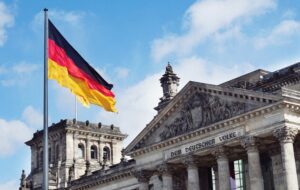
According to the website of the Ministry of Environmental Protection and Natural Resources of Ukraine on Tuesday, such initiatives were discussed in Berlin during the meeting of the Ukrainian delegation headed by Deputy Minister Alexander Krasnolutsky with representatives of the Federal Ministry of Economics and Climate Protection of Germany, the Federal Ministry for the Environment, Nature Conservation, Nuclear Safety and Consumer Protection of Germany, the German Society for International Cooperation (GIZ) and the Secretariat of the German Institute for International Cooperation.
German projects, in particular, will cover support for Ukraine in implementing the Paris Agreement and adaptation to the consequences of climate change in the Black Sea region, establishing an emissions trading system, forming a low emission policy, preserving forests in the Carpathians, and increasing Ukraine’s ability to overcome the consequences of war and integrate into the EU. In addition, they talked about Ukraine’s accession to the climate club, which is now being formed by the European Union.
In addition, the German government is ready to help Ukraine with the construction of rehabilitation centers for animals affected by war, which are envisaged in the plan for the post-war reconstruction of Ukraine.
According to Krasnolutsky, Ukraine is striving to apply the best practices that exist today in Europe for its reconstruction and development.



