
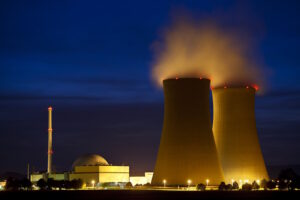
On the occasion of the 40th anniversary of the accident at the Chornobyl Nuclear Power Plant, the art and technology exhibition “Chornobyl. 40 Years Later. A History That Obligates” was held in Kyiv. The exhibition was organized by the State Agency of Ukraine on Exclusion Zone Management with the financial support of the European Union.
One of the thematic areas of the exhibition was the evolution of approaches to nuclear safety after the accidents at the Chornobyl NPP and the Fukushima Daiichi NPP — from safety culture to modern severe accident management systems and post-Fukushima modernization of power units.
Specially for the exhibition, the engineering company Energy Safety Group provided expert support in preparing a separate information and technology stand titled “Lessons of Severe Accidents for a Safe Future”, dedicated to how modern engineering responds to severe accident development scenarios and what technical solutions today form a multi-level protection system for modern nuclear power plants.
Forty years after the accident at the Chornobyl NPP and fifteen years after the accident at the Fukushima Daiichi NPP make it possible to look particularly clearly at the development of the industry through the prism of the lessons learned.
After the accident at the Chornobyl NPP, the global nuclear energy sector deeply reconsidered the importance of safety culture. At the practical level, this meant a very simple but fundamental thing: for any deviation of parameters from the norm, there must be defined instructions, trained personnel, and practiced action scenarios. Twenty-five years later, the accident at the Fukushima Daiichi NPP again forced the world to review approaches to the resilience of power units — this time under conditions of loss of external power supply, cooling, and the development of severe accidents.
After the accident at the Chornobyl NPP, the international nuclear community came to an important conclusion: safety must be determined not only by technologies, but also by how people think, make decisions, and respond to risks. Thus, in 1986, the concept of “safety culture” appeared. Its essence is that:
“Safety culture” became the main lesson of Chornobyl for the whole world.
The lessons of the accidents at the Chornobyl NPP and the Fukushima Daiichi NPP changed not only approaches to risk management, but also the very logic of modern nuclear safety. It became obvious: even after a reactor shutdown, safety depends on the ability of systems to remove residual heat for a long time, maintain power supply for critical functions, and keep possible consequences within protective barriers.
That is why, after the accident at the Fukushima Daiichi NPP in 2011, large-scale stress tests of nuclear power plants were conducted in Europe and around the world — in-depth inspections that assessed the resilience of power units to extreme external events, complete blackout, loss of cooling sources, and the development of severe accidents. These inspections made it possible to assess the real safety margin beyond the design operating conditions and to determine which technical solutions were necessary to further strengthen the resilience of plants.
Today, the safety of nuclear energy is based on a multi-level principle of protection, where each subsequent level compensates for the loss of the function of the previous one and ensures the resilience of the plant even in the most complex emergency scenarios.

Source: prepared on the basis of data from SSTC NRS
In Ukraine*, in response to the accident at the Fukushima Daiichi NPP, an extraordinary in-depth safety assessment of NPP power units, including facilities of the Chornobyl NPP, was initiated by a decision of the National Security and Defense Council enacted by a Decree of the President. In implementation of this decision, the State Nuclear Regulatory Inspectorate, in cooperation with the State Technogenic Safety Service and the operating organizations of the nuclear industry, developed an Action Plan, while NPP operators conducted targeted stress tests at all sites. Based on their results, the C(C)SUP — the Comprehensive (Consolidated) Safety Upgrade Program for NPP Power Units of Ukraine — was reviewed and supplemented. The responsible executor of this program is the NPP operator, NNEGC “Energoatom”.
Source: prepared on the basis of data from SSTC NRS
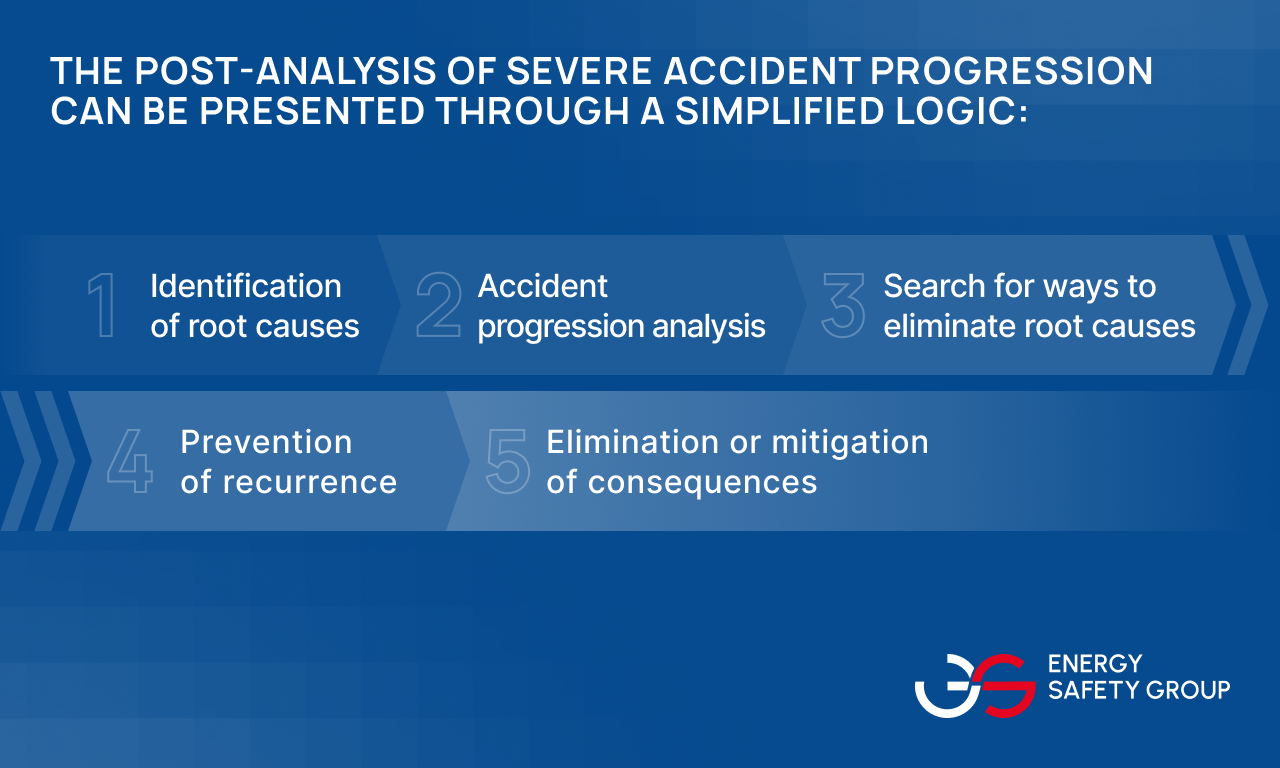
The lessons of severe accidents gave impetus to the continuous improvement of safety systems and other beyond-design-basis equipment in nuclear energy. By implementing post-Fukushima modernizations, Ukraine consistently demonstrates its commitment to the principle of continuous improvement of the safety of power units at operating NPPs. The result of this evolution has been reliable engineering solutions for all key challenges associated with severe accidents, which today are already a standard for the newest Generation III+ reactors.
To show how modern engineering responds to specific scenarios of severe accident development, the main challenges and the corresponding safety systems and beyond-design-basis equipment are presented below.
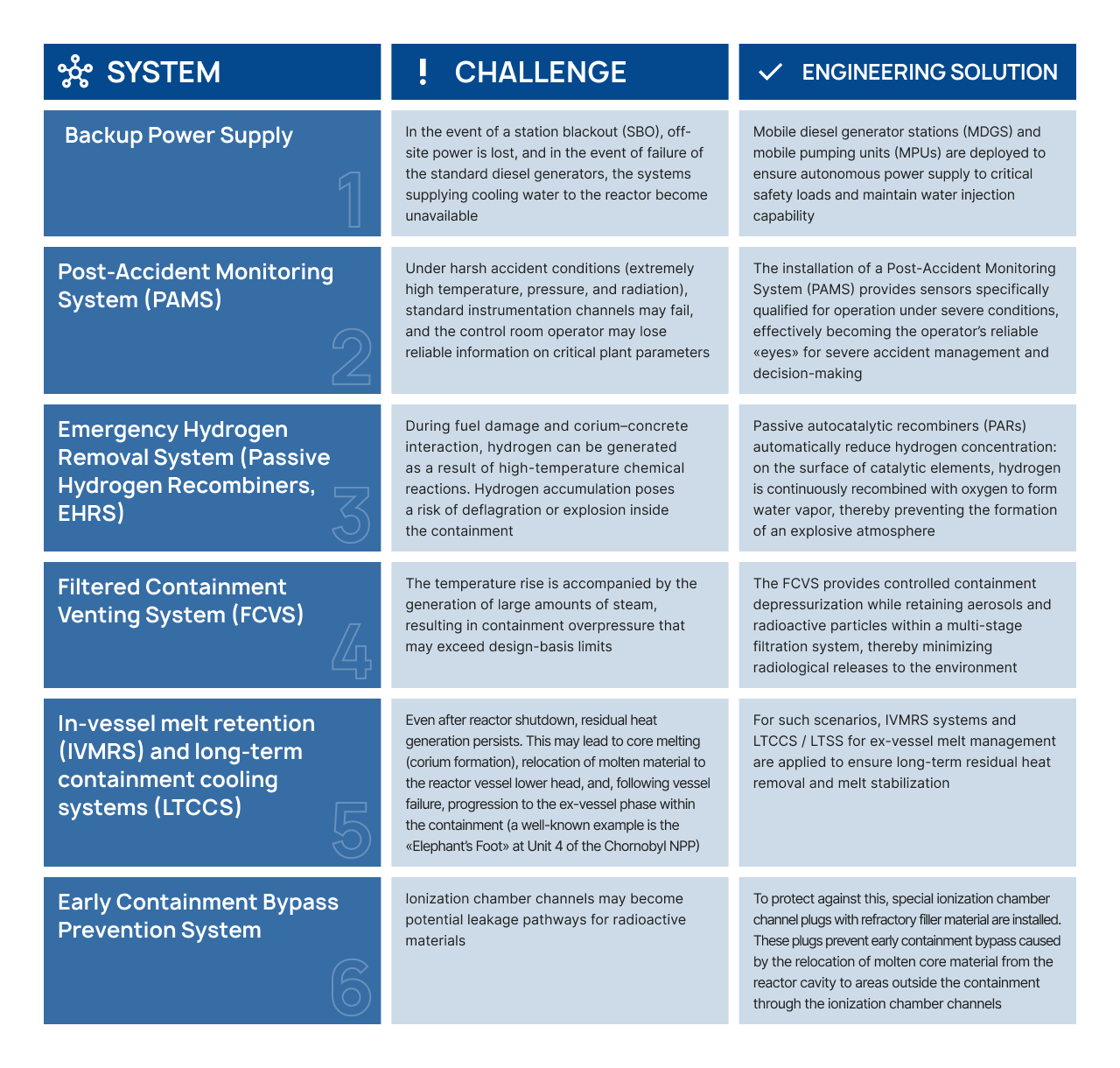
The development of nuclear safety largely takes place through the analysis of severe accidents, the review of potential scenarios, and the search for technical solutions to contain them or minimize their consequences. A significant part of the systems that were previously considered additional or beyond-design-basis, after the accident at the Fukushima Daiichi NPP, effectively became a new standard for modern power units.
For specialists in the nuclear industry, this means constant work on risk assessment, resilience of safety systems, post-accident management, and adaptation of international experience to the real operating conditions of nuclear power plants. Greater attention is paid to the modernization of safety systems, analysis of scenarios for the development of severe accidents, and the development of solutions capable of ensuring the resilience of power units under beyond-design-basis operating conditions.
It is precisely these areas that today are associated with the work of companies operating in the field of nuclear engineering and modernization of safety systems at nuclear power plants, including Energy Safety Group, which participates in the implementation of projects for nuclear facilities in Ukraine and other European countries.
Norway allocates another €5.6 million to support nuclear safety and decommissioning activities
With the ratification of the framework agreement of the International Cooperation Account for Chornobyl (ICA) by the Ukrainian Parliament, the international community and Ukraine are ready to enter a new stage of cooperation on long-term nuclear safety and decommissioning, with a special focus on the Chornobyl NPP. In June 2024, the Rada approved the relevant law, which paves the way for a wider range of nuclear safety activities to be managed by the RSC.
To reaffirm its unwavering support for international efforts for decommissioning and nuclear remediation in Ukraine, at a recent meeting of the PFDR Donor Assembly, Norway announced an additional €5.6 million contribution to the PFDR.
Donors also agreed on the next tranche of funding for projects to improve the safety of spent fuel storage and optimize liquid radioactive waste management at the Chornobyl NPP.
Balthasar Lindauer, Director of the EBRD Nuclear Safety Department, said: “Russia’s military occupation of the Chornobyl Exclusion Zone (ChEZ) in March 2022 has not only damaged the infrastructure at the site, but also left a challenging operational legacy for one of the most vulnerable nuclear power plants in the world. The EBRD has a long-standing commitment to supporting the decommissioning and safety of Chornobyl, and we are determined to ensure that the significant progress made over the years through international cooperation is not lost. The ratification of the framework agreement, additional donor support and commitments to a new tranche of projects are an important statement of this renewed international support for safety at Chornobyl.”
The RMCS was established in November 2020 by the EBRD at the request of the Government of Ukraine. It was established as a multilateral fund to support the development of a comprehensive plan for Chornobyl. After the occupation of the ChEZ at the beginning of Russia’s full-scale war against Ukraine, the RMSF’s scope of tasks was expanded to support the restoration of safety in the ChEZ, as well as broader nuclear safety measures throughout Ukraine.
AGREEMENT, CHORNOBYL, international cooperation, VERKHOVNA RADA
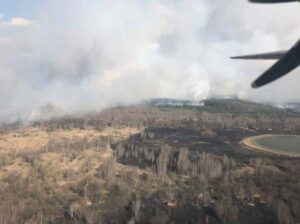
Fires near the Chornobyl nuclear power plant cannot be completely extinguished, and some increase in cesium concentrations has been recorded in Kyiv and west of Chornobyl, the International Nuclear Energy Agency (IAEA) said, citing the State Nuclear Regulatory Inspectorate of Ukraine.
“Ukraine’s regulatory authority informed the IAEA that firefighters were trying to extinguish wildfires near the Chornobyl NPP, an area which has seen such outbreaks also in previous years. The fire brigade from the town of Chornobyl has extinguished four fires, but there are still ongoing fires,” the IAEA said on its website on Wednesday in the evening.
According to the release, the local fire station does not currently have access to the electricity grid, the regulator said. In the meantime, the station is relying on diesel generators for power, for which fuel is required, it added.
The IAEA also draws attention to the fact that, in the Exclusion Zone, the regulator said radiation measurements are not currently being performed. It said slight increases in caesium air concentrations had been detected in Kyiv and at two NPP sites west of Chornobyl, but the regulator told the IAEA that they did not pose significant radiological concerns.
At the same time, in a video message posted on the IAEA website on Wednesday, IAEA Director General Rafael Mariano Grossi called the situation when major nuclear facilities operate in an armed conflict zone “dramatic and unique,” and noted that the situation remains distressing, and “the need to prevent a nuclear accident becomes more pressing with each day that passes.”
According to him, “intensive consultations have been ongoing for many days now, but a positive outcome still eludes us.”
Power supply has been restored to the Chornobyl Nuclear Power Plant (NPP) site after repeated damage from hostilities, the International Atomic Energy Agency (IAEA) said.
“Ukraine has informed the IAEA that external power had again today been restored to the Chornobyl Nuclear Power Plant after line had been again damaged by the occupying forces,” the IAEA said in a tweet on the night of Monday to Tuesday.
Other details are not reported.
The IAEA website notes that the “regulatory authority” informed the agency about the resumption of power supply to the Chornobyl nuclear power plant on the afternoon of March 14.
“The regulatory authority told the IAEA that at 13:10 CET external power had again been restored and that staff at the Chornobyl NPP had restarted operations to reconnect the NPP to the grid,” the agency said.
The city council of Slavutych, a satellite city of the Chornobyl nuclear power plant, on its Facebook late on Monday evening announced that the city’s power supply had been resumed and the connection of residential buildings would be carried out gradually.
As reported with reference to NPC Ukrenergo, on March 14, Russian invaders again damaged the high-voltage line supplying power to the Chornobyl nuclear power plant and Slavutych, after the company had repaired it.
The NPP site and Slavutych were de-energized on March 9 due to shelling of energy infrastructure by Russian troops.
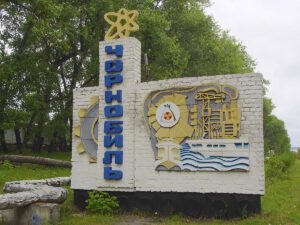
Some 32,000 tourists have visited the Chornobyl exclusion zone since the beginning of the year, assistant director of the state enterprise Center for Organizational, Technical and Information Support of the Exclusion Zone Management (COTIS) Kyrylo Harnyk has said.
According to him, the data are relevant for August 11. Earlier, in 2019, it was planned to reach 1 million tourists a year, but in 2020 the tourist flow has decreased significantly.
“We have already managed to get better results than in 2018, when we received 36,000 tourists for the whole year, but we are unlikely to achieve the results of 2019, with 124,000 tourists,” Harnyk said during a roundtable talk on the preservation of Prypiat and Duga facilities in Chornobyl on Thursday.
As reported, in February 2021, the Ministry of Culture and Information Policy of Ukraine, the Ministry of Environmental Protection and Natural Resources of Ukraine, the State Agency for Tourism Development and the State Agency of Ukraine on Exclusion Zone Management signed a memorandum on the promotion of visits to the territory of the exclusion zone of the Chornobyl nuclear power plant.
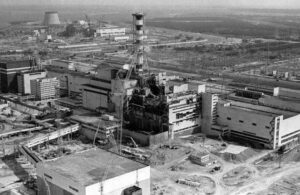
Western countries will continue to support Ukraine and will continue to provide their assistance to our country to quickly overcome the consequences of the Chornobyl disaster. The corresponding statement was made by the Ambassadors of Germany and Great Britain in Ukraine, as well as the Deputy Head of the U.S. Embassy in Ukraine during an online discussion of Kyiv Security Forum, organized by Arseniy Yatsenyuk’s Open Ukraine Foundation, the forum’s press service reported on Monday.
Thus, Ambassador Extraordinary and Plenipotentiary of Germany to Ukraine Anka Feldhusen noted that Germany continues to provide assistance to Ukraine even 35 years after the accident at the Chornobyl nuclear power plant.
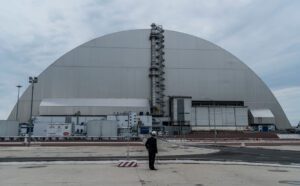
She also stressed that the most famous international project on safety at the Chornobyl nuclear power plant is the construction of a new safe shelter over the old sarcophagus of the fourth power unit.
“This unique masterpiece of modern technology should protect the environment from the radioactive remnants of a destroyed reactor for at least a hundred years. Germany has directly contributed about EUR 100 million to the project, the total cost of which is more than EUR 2 billion. All these assistance measures can only try to slightly reduce the harm caused and alleviate the terrible suffering,” said Feldhusen.
In turn, British Ambassador Extraordinary and Plenipotentiary to Ukraine Melinda Simmons said that it is impossible to fully assess all the losses and negative consequences for humanity that were caused by the Chornobyl accident even 35 years after the accident.
The diplomat noted that today British engineers are involved in projects that guarantee the safety and stability of the Chornobyl zone, including a new safe shelter.
Simmons said that the total cost of the shelter is EUR 2.1 billion which is the largest international nuclear safety cooperation project supported by 40 countries, including Britain. This example of international cooperation in the field of nuclear safety shows that we have come a long way since 1986, and this gives us the hope for the future that such a tragedy will never happen again, said Simmons.
The United States also reminded of its support for Ukraine. Thus, deputy head of the U.S. Embassy in Ukraine, Joseph Pennington, said that the transformation of Chornobyl remains a long-term challenge, but Ukraine will not have to cope with it on its own.
He stressed that the United States, along with the rest of the international community, will continue to support Ukraine to ensure the future energy and nuclear security of not only this place, but Ukraine as a whole.
The diplomat noted that no other nuclear accident in history has been more serious in terms of costs and casualties like the Chornobyl accident and clarified that thanks to cooperation between Ukraine and the United States, significant success has been achieved in overcoming the consequences of the disaster.
According to Pennington, the United States is proud to become the largest donor to the New Safe Shelter project, which covers the site of the disaster of the reactor of the fourth Chornobyl power unit.



