
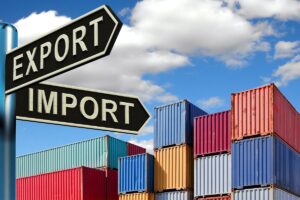
The volume of imports to Ukraine in January-October 2023 amounted to $52.17 billion, which is 18.2%, or $8.03 billion, more than in the same period a year earlier.
At the same time, the volume of Ukrainian exports decreased by 19.1%, or $7.03 billion, to $29.83 billion, according to the website of the State Customs Service.
The negative balance for the first 10 months of this year amounted to $22.34 billion, which is 3.1 times more than in the same period last year.
According to the State Customs Service, exports of goods fell by 18.1% to $27.1 billion in the first nine months of the year, while imports increased by 18.9% to $46.6 billion, and the negative balance of trade in goods increased by 3.2 times to $19.5 billion.
It is specified that over the first 10 months of this year, imports from the EU increased by 23.5% to $26.71 billion, while exports decreased by 15.8% to $19.45 billion.
At the same time, imports from the CIS countries fell 4.2 times to $1.03 billion in January-October this year compared to the same period last year, while exports from Ukraine to these countries fell 36.4% to $1.33 billion, making trade with these countries surplus, whereas before the war it was traditionally deficit.
Finally, imports from other countries increased by 34% to $24.42 billion over 10 months of this year, while imports decreased by 22.4% to $9.04 billion.
“At the same time, taxable imports amounted to $43.4 billion, which is 83% of the total volume of imported goods. The tax burden per 1 kg of taxable imports in January-October 2023 amounted to $0.49 per kg, which is 44% more than in the same period in 2022,” the release said.
According to the State Customs Service, the countries from which Ukraine imported the most goods were: China – $8.4 billion ($6.6 billion in 10 months of 2022), Poland – $5.5 billion ($4.4 billion) and Germany – $4.1 billion ($3.7 billion).
Most of Ukraine’s goods were exported to Poland – $4.1 billion ($5.7 billion), Romania – $3.3 billion ($3.0 billion), and Turkey – $2.0 billion ($2.4 billion).
In January-October 2023, 65% of the total volume of imported goods was machinery, equipment and transport – $16 billion (UAH 115.2 billion, or 31% of customs revenues, was paid to the budget during customs clearance), chemical products – $9.3 billion (UAH 63.6 billion, or 17%), fuel and energy products – $8.7 billion (UAH 79.3 billion, or 21%).
It is specified that imports of machinery, equipment and transport increased by 30%, chemical products – by 17%, while fuel and energy products decreased by 18%.
The top three most exported goods from Ukraine are: food products – $17.7 billion (down 4%), metals and metal products – $3.3 billion (down 19%), machinery, equipment and transport – $2.5 billion (down 30%).
The State Customs Service added that UAH 500.7 million was paid to the budget during customs clearance of exports of goods subject to export duties.
The State Customs Service also reported that in 10 months of 2023, customs authorities detected violations of customs rules worth UAH 7.6 billion.
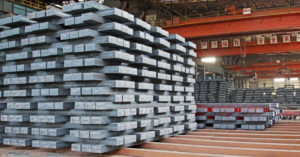
In January-October this year, Ukraine reduced exports of carbon steel semi-finished products in physical terms by 40.4% year-on-year to 1 million 34,588 thousand tons.
According to the statistics released by the State Customs Service (SCS), exports of semi-finished carbon steel products amounted to $529.584 million in monetary terms over the period (down 51.6%).
The main exports were made to Bulgaria (35.42% of supplies in monetary terms), Poland (23.85%) and Italy (9.97%).
In January-October, Ukraine imported 92 tons of semi-finished products from China worth $169 thousand, while in September-October, no imports were made.
As reported, in 2022, Ukraine decreased exports of carbon steel semi-finished products in physical terms by 72% compared to the previous year, to 1 million 899.729 thousand tons, and in monetary terms by 70.9%, to $1 billion 191.279 million. The main exports were made to Bulgaria (26.55% of supplies in monetary terms), Poland (13.97%) and Italy (12.13%).
In addition, Ukraine imported 5,558 thousand tons of similar products in 2022, which is 85.7% less than in 2021. In monetary terms, imports decreased by 86% to $3.634 million. Imports were carried out from the Russian Federation (96.92% of supplies before the war), China (1.84%), and Romania (1.21%).
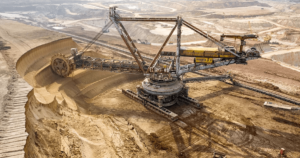
In January-October this year, Ukraine reduced exports of titanium ores and concentrate in physical terms by 96.3% year-on-year to 10.170 thousand tons.
According to statistics released by the State Customs Service (SCS) on Wednesday, exports of titanium ores and concentrate decreased by 84.7% to $16.983 million in monetary terms.
The main exports were to Turkey (36.92% of supplies in monetary terms), Japan (18.90%) and the Netherlands (6.04%).
During the period, Ukraine imported 1 ton of such ore from the Netherlands for $2 thousand.
As reported, in 2022, Ukraine reduced exports of titanium ore and concentrate in physical terms by 41.8% compared to the previous year to 322.143 thousand tons, and in monetary terms by 19.6% to $130.144 million. At the same time, the main exports were made to the Czech Republic (47.91% of supplies in monetary terms), the United States (11.94%) and Romania (9.75%).
In 2022, Ukraine imported 196 tons of similar products from Senegal (70.41%) and Turkey (29.59%) for $115 thousand.
In Ukraine, titanium ores are currently mined mainly by the United Mining and Chemical Company (UMCC), which manages Vilnohirsk Mining and Metallurgical Plant (VGMK, Dnipro region) and Irshansk Mining and Metallurgical Plant (Irshansk, Dnipro region). ) and Irshansk Mining and Processing Plant (IGOK, Zhytomyr region), as well as Mezhirichinsky GOK and Valky Ilmenite (both based in Irshansk, Zhytomyr region).
In addition, Velta (Dnipro) has built a mining and processing plant at Birzulivske deposit with a capacity of 240 thousand tons of ilmenite concentrate per year.

In January-October this year, Ukraine reduced exports of processed pig iron in physical terms by 3.2% compared to the same period last year, to 1 million 113.079 thousand tons.
According to the statistics released by the State Customs Service (SCS), pig iron exports in monetary terms amounted to $423.414 million in the period under review (down 26.3%).
At the same time, exports were carried out mainly to Poland (56.20% of supplies in monetary terms), Spain (22.64%) and the United States (6.24%).
In ten months of 2023, Ukraine imported 79 tons of pig iron worth $132 thousand from Germany (50.38%) and Brazil (49.62%), while in October, imports of pig iron amounted to $1 thousand. In the same period last year, 16 tons of pig iron were imported from Germany for $29 thousand.
As reported, in 2022, Ukraine reduced exports of processed pig iron by 59% in physical terms compared to the previous year – to 1 million 325.275 thousand tons, and by 61.1% in monetary terms – to $638.774 million.
In 2022, Ukraine imported 40 tons of pig iron worth $23 thousand, while in 2021 it imported 185 tons of pig iron worth $226 thousand.
Exports were made mainly to the United States (38.47% of supplies in monetary terms), Poland (32.91%), and Turkey (8.12%), while imports were made from Germany (100%).
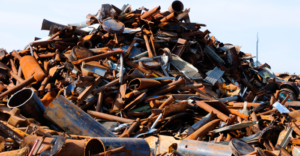
In January-October of this year, Ukrainian enterprises increased exports of ferrous scrap by 3.89 times compared to the same period last year, up to 146.927 thousand tons.
According to the statistics released by the State Customs Service (SCS), in monetary terms, exports of scrap metal amounted to $42.088 million in the period under review (up 2.9 times).
At the same time, the export of scrap metal has been growing since March: in January, about 8.28 thousand tons of scrap were exported, in February – 16.5 thousand tons, in March – 15.45 thousand tons, in April – about 16 thousand tons. tons, in April – about 16.19 thousand tons, in May – 21.003 thousand tons, in June – 14.6 thousand tons, in July – 9.567 thousand tons, in August – 15.849 thousand tons, in September – 13.7 thousand tons, in October – 15.796 thousand tons.
Scrap metal was exported to Poland (87.39%), Greece (6.42%) and Bulgaria (2.59%).
In the first two months of the year, the country did not import scrap metal; in March-October, it imported 898 tons of scrap worth $333 thousand (51.95% from Slovakia, 22.82% from Poland, 8.41% from Estonia).
Earlier, Ukrmetallurgprom President Oleksandr Kalenkov stated in an article on the Interfax-Ukraine website that scrap metal is exported through the European Union, which has a preferential export duty of EUR3 per ton, and from there the raw materials are redirected to real customers. Exporting raw materials directly to customers would cost EUR180 in export duty, and the Ukrainian budget has already lost UAH 350 million.
According to him, the State Bureau of Investigation has already taken an interest in such export schemes.
The head of Ukrmetallurgprom called for a temporary ban on the export of ferrous scrap to provide steelmakers with strategically important raw materials in the ongoing war.
“If the scrap metal remains in the country, more than 500,000 people will be employed and the country will receive millions in foreign exchange earnings from steel exports. At the same time, the military will also benefit, as steelmakers do a lot to help the military by purchasing equipment and vehicles for them and even producing bulletproof vests. No one benefits from scrap exports. That is why the government should be proactive and temporarily ban exports until the situation stabilizes and ceases to threaten national economic security,” Kalenkov said.
He clarified that a ton of scrap metal processed into steel brings in 10 times more to the budget than the EU export duty, which is about $300 per ton.
As reported, in 2022, Ukraine reduced exports of ferrous scrap by 11.5 times compared to the previous year to 53,557 thousand tons, while in monetary terms it decreased by 12.4 times to $19.271 million. At the same time, last year the country reduced imports of scrap metal in physical terms by 12.6 times to 1,824 thousand tons. tons, compared to the previous year – to $19.271 million tons, in monetary terms by 12.9 times – to $3.488 million. Imports of scrap metal in 2022 were mainly from Turkey (78.92% of supplies in monetary terms), the Russian Federation (13.25%) and Cyprus (5.08%); exports – to Turkey (38.97%), Poland (34.25%) and Greece (10.12%).
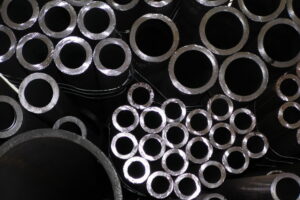
In January-October of this year, Ukraine’s steelmaking companies reduced their earnings from ferrous metal exports by 45.7% year-on-year to $2 billion 255.514 million.
According to statistics released by the State Customs Service (SCS) on Wednesday, ferrous metals accounted for 7.56% of total export revenues during this period, while the share was 11.26% in the first ten months of 2022.
In October, revenues from exports of ferrous metals amounted to $175.871 million, while in the previous month – $258.675 million.
At the same time, Ukraine increased imports of similar products by 43.4% to $1 billion 103.047 million over 10 months of this year. In October, the country imported products worth $124.012 million.
In addition, in January-October, Ukraine reduced exports of metal products by 16.3% year-on-year to $756.184 million. In October, exports were worth $62.852 million.
At the same time, imports of steel products increased by 35.5% to $723.032 million over the same period. In October, Ukraine received $117.868 million worth of these products.
As reported earlier, in 2022, Ukraine’s steelmaking companies reduced revenues from ferrous metal exports by 67.5% compared to 2021, to $4 billion 533.088 million. During this period, ferrous metals accounted for 10.26% of total revenues from exports of goods, compared to 20.49% in 2021. At the same time, last year Ukraine reduced imports of similar products by 38.3% to $954.387 million.
In addition, in 2022, Ukraine reduced exports of metal products by 18.6% to $1 billion 52.512 million. Imports of metal products fell by 42.9% to $643.162 million over the year.



