

According to Experts.news, Ukraine could account for about 31.3% of global sunflower oil exports in the 2026/27 marketing year, according to calculations by Open4Business based on the September forecast from the U.S. Department of Agriculture (USDA).
According to the USDA Foreign Agricultural Service report Oilseeds: World Markets and Trade, published on September 11, 2026, Ukrainian sunflower oil exports are projected to reach 5 million metric tons, while global exports are expected to total 15.968 million metric tons.
Thus, nearly one in every three metric tons of sunflower oil supplied to the global market may be of Ukrainian origin.
In the previous 2025/26 marketing year, Ukraine exported approximately 4.036 million metric tons of sunflower oil out of total global exports of about 13.51 million metric tons. At that time, Ukraine’s share was about 29.9%. In the new season, this figure may increase by approximately 1.4 percentage points.
The USDA expects Ukraine to remain the world’s second-largest exporter of sunflower oil after Russia. Russian shipments are projected at 5.1 million metric tons, accounting for approximately 31.9% of global exports.
Together, Ukraine and Russia could supply about 10.1 million metric tons to foreign markets, or more than 63% of total global sunflower oil exports.
Argentina will remain the third-largest exporter, with projected shipments of about 2.05 million metric tons, accounting for approximately 12.8% of global trade. Turkey is expected to export about 1.1 million metric tons, and the European Union—about 850,000 metric tons.
The growth in Ukrainian exports will be driven by a recovery in the sunflower harvest and increased capacity utilization at processing plants. The USDA forecasts sunflower seed production in Ukraine for the 2026/27 marketing year at 13 million metric tons, compared to 10.7 million metric tons in the previous season.
Sunflower oil production, according to the agency’s estimates, will increase to 5.418 million metric tons from 4.515 million metric tons in the 2025/26 marketing year, or by approximately 20%.
At the same time, domestic consumption of sunflower oil in Ukraine is expected to reach about 470,000 metric tons, so the bulk of the additional production will be directed toward exports.
Overall, the USDA forecasts global sunflower oil exports to grow by approximately 18%—from 13.51 million metric tons in the previous season to 15.968 million metric tons in the 2026/27 marketing year.
The increase in supply will largely be driven by a recovery in production in the Black Sea region, primarily in Ukraine and Russia. At the same time, imports are expected to rise from the largest consumers of vegetable oils, notably India and China.
Ukraine traditionally remains one of the world’s largest producers and exporters of sunflower oil. A distinctive feature of the Ukrainian industry is the high proportion of domestic seed processing, which means that exports consist primarily of higher-value-added products—oil and meal—rather than raw materials.
Source: USDA Foreign Agricultural Service, Oilseeds: World Markets and Trade, September 11, 2026: official USDA report.
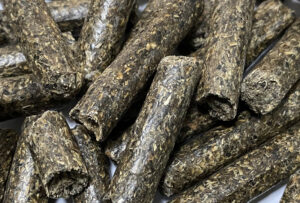
Sunflower meal exports from Ukraine in the 2026/27 marketing year may increase to 3.3 million metric tons, up from 2.861 million metric tons in the previous season, according to a USDA forecast.
This represents an increase of about 15.3%, according to data from the September report “Oilseeds: World Markets and Trade.”
At the same time, sunflower meal production in Ukraine is expected to reach 5.204 million metric tons, which is approximately 20% higher than the 2025/26 marketing year’s figure of 4.337 million metric tons.
The USDA estimates domestic consumption of sunflower meal at 1.875 million metric tons, compared to 1.675 million metric tons the previous season.
Ukraine will retain its second-place position among the world’s largest sunflower meal exporters, behind Russia. Russian exports are forecast at 2.8 million metric tons, while Ukraine’s figure is higher at 3.3 million metric tons; thus, for this product, Ukraine actually outpaces Russia.
Overall, global sunflower meal exports in the new season may increase from 8.809 million metric tons to 10.404 million metric tons, or by approximately 18%.
The growth in meal production is directly linked to the recovery of sunflower processing and increased oil output in the Black Sea region.
Source: USDA FAS, Oilseeds: World Markets and Trade, September 2026.

Sunflower seed production in Ukraine could rise to 13 million metric tons in the 2026/27 marketing year after falling to 10.7 million metric tons in the previous season, according to a forecast by the U.S. Department of Agriculture.
Thus, the expected yield increase is about 21.5%. The figure effectively returns to the level of the 2024/25 marketing year, when Ukraine also harvested about 13 million metric tons of sunflowers.
According to the USDA forecast, Ukraine will retain its second place among the world’s largest sunflower producers, behind Russia.
Production in Russia in the 2026/27 marketing year is expected to reach 21 million metric tons, in Ukraine—13 million metric tons, in the EU—9.725 million metric tons, in Argentina—8 million metric tons, and in Turkey—1.825 million metric tons. The global sunflower crop could reach 63.65 million metric tons, compared to 55.17 million metric tons in the previous season.
The USDA attributes the recovery of the global sunflower market to an increase in planted acreage following two seasons of relatively low yields in the Black Sea region. Higher harvests in Ukraine and Russia are expected to be one of the main drivers of growth in global sunflower oil trade.
The USDA estimates domestic consumption of sunflower seeds in Ukraine at 12.775 million metric tons, indicating that the processing industry remains operating at high capacity.
Source: USDA Foreign Agricultural Service, September 2026.

According to Experts.news, the U.S. Department of Agriculture (USDA) forecasts sunflower oil exports from Ukraine in the 2026/27 marketing year at 5 million metric tons, which is nearly 24% higher than the previous season’s figure of 4.036 million metric tons.
According to the USDA’s September report, *Oilseeds: World Markets and Trade*, sunflower oil production in Ukraine is expected to reach 5.418 million metric tons, up from 4.515 million metric tons in the 2025/26 marketing year—an increase of approximately 20%.
At the same time, domestic consumption of sunflower oil is projected to remain relatively stable—470,000 metric tons compared to 455,000 metric tons in the previous season. The USDA estimates ending stocks at 213,000 metric tons, compared to 265,000 metric tons. Thus, most of the increase in production is likely to be directed toward export markets.
Ukraine will remain one of the world’s two largest exporters of sunflower oil. The USDA forecasts exports from Russia at 5.1 million metric tons, Ukraine at 5 million metric tons, Argentina at 2.05 million metric tons, Turkey at 1.1 million metric tons, and the EU at 850,000 metric tons.
The USDA estimates total global sunflower oil exports at 15.968 million metric tons, compared to 13.51 million metric tons in the previous season.
Source: USDA Foreign Agricultural Service, Oilseeds: World Markets and Trade, September 11, 2026.
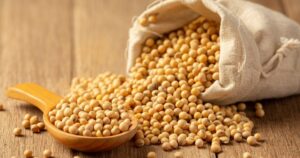
Ukraine’s oilseed crop is expected to total about 20 million metric tons, Minister of Agrarian Policy and Food Taras Vysotsky said at a briefing on Friday.
“Preliminary estimates indicate a sunflower harvest of about 12 million metric tons. We have harvested 4 million metric tons of rapeseed. We expect the soybean harvest to be about 4 million metric tons as well,” Vysotsky said.
He also noted that once the sunflower harvest is complete, there may be adjustments in the range of 1–1.5 million metric tons. According to him, this is because sunflowers are grown by small-scale farmers who are not required to submit statistics and, consequently, do not do so.

The farms of the KSG Agro agricultural holding have begun harvesting sunflowers, which cover more than 5,800 hectares this year; work has already been completed on approximately 29% of the planted area, the agricultural holding’s press service reported.
“Our main task now is to make the most efficient use of every weather window for harvesting. Precipitation has somewhat slowed down the pace of work, so we are closely monitoring the condition of the crops and the readiness of each field for threshing,” said Vitaliy Nekhay, head of the crop production division.
According to him, the sunflower ripening period was accompanied by rainfall, with a total accumulation of 5–7 mm in some fields. As a result, the natural drying of the plants is proceeding more slowly, which affects the ability to deploy machinery to the fields promptly.
To accelerate and standardize sunflower ripening across an area of approximately 400 hectares on KSG Agro’s farms, pre-harvest desiccation was carried out—a measure that speeds up and standardizes the drying of plants before harvest.
According to preliminary estimates by agronomists, the oil content of sunflower seeds is currently slightly lower than expected, at 44–48%. Final harvest quality indicators will be determined after harvesting is complete and laboratory analyses have been conducted.
The harvested sunflowers are sent to elevators, a processing plant, and the agricultural holding’s storage facilities.
AGRICULTURAL HOLDING, HARVEST, harvest season, KSG AGRO, SUNFLOWER



