
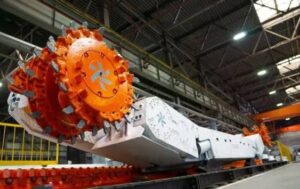
DTEK Energo’s machine builders manufactured and repaired 1.2 million units of mining equipment from January through September of this year, including 10 new tunnel boring machines and longwall shearers, as well as four electric motors, according to a press release from DTEK Energo.
During this period, they also produced 1.5 million spare parts and components.
As previously reported, over the first nine months of last year, DTEK Energo’s machine-building plants manufactured and repaired 2,500 units of mining equipment (including six new mining combines and one mine fan) and 1.8 million spare parts and components.
“Preparing for winter is a joint effort by the entire energy team. Miners, power engineers, maintenance workers, and machine builders are working as a single unit today, because the energy sector’s readiness for the most challenging period of the year depends on the coordinated efforts of everyone. Machine builders not only manufacture and repair equipment but also test new technical solutions and verify their effectiveness under real production conditions,” DTEK Energo CEO Oleksandr Fomenko is quoted as saying in the press release.
DTEK Energo ensures a closed-loop cycle of coal-fired power generation. By the end of 2025, DTEK Energo had invested 6.7 billion hryvnias in supporting Ukrainian coal mining, and over the previous three years (2022–2024)—more than 18 billion hryvnias. The funds were allocated for the development and repair of mine workings, equipping mining faces, and maintaining the mines’ production capacity.
Its machinery manufacturing assets include Korum DrMZ, which was relocated to Dnipro in 2022; the Kharkiv-based “Svitlo Shakhtarya” plant; and the Pershotravensk Repair and Mechanical Plant.
DTEK ENERGO, EQUIPMENT, machinery manufacturing, Mine, UKRAINE

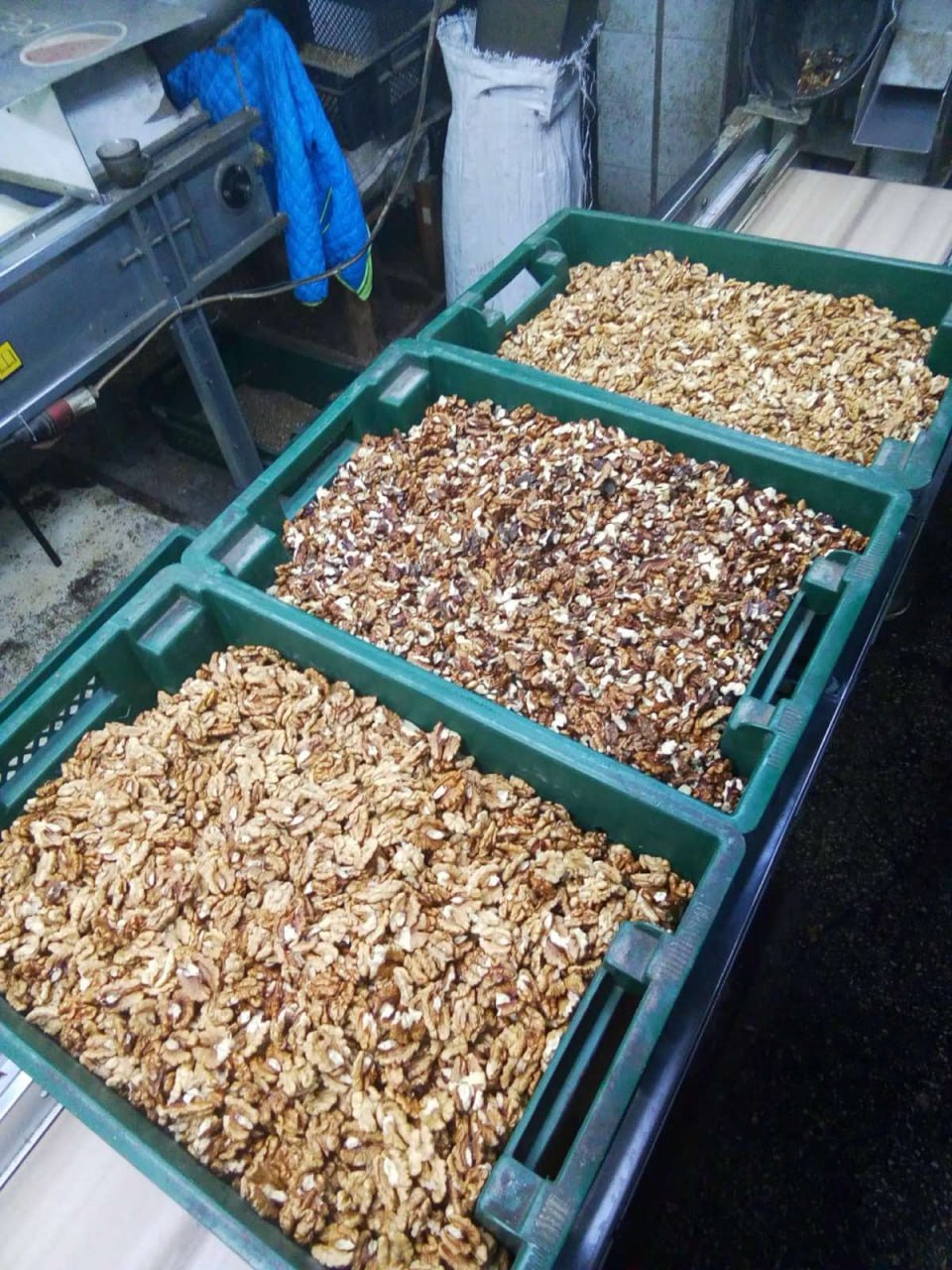
A fully operational set of nut processing equipment is offered for sale—from initial cracking and cleaning to calibration, sorting, and drying of the kernels. The facility is equipped with everything necessary to organize a complete production cycle and may be of interest to both existing processors looking to expand their capacity and entrepreneurs considering launching a turnkey nut processing business.
The cost of the complete equipment set is $27,000.
The core of the production line is a system with a capacity of 60–80 kg per hour, costing $15,000. It includes an impact machine for cracking nuts, a small aspiration unit that removes up to 15% of impurities, a vertical conveyor, a cracking machine with millstones, a large aspiration system for primary cleaning that removes up to 80% of debris and shells, as well as two conveyor sorting tables.
The owner has extended the large conveyor table to facilitate manual sorting of the product. On the small table, nut fragments are separated from the remaining shells.
To increase productivity, the line has been supplemented with a vibrating hopper for uniform feed of raw materials, costing $1,000.
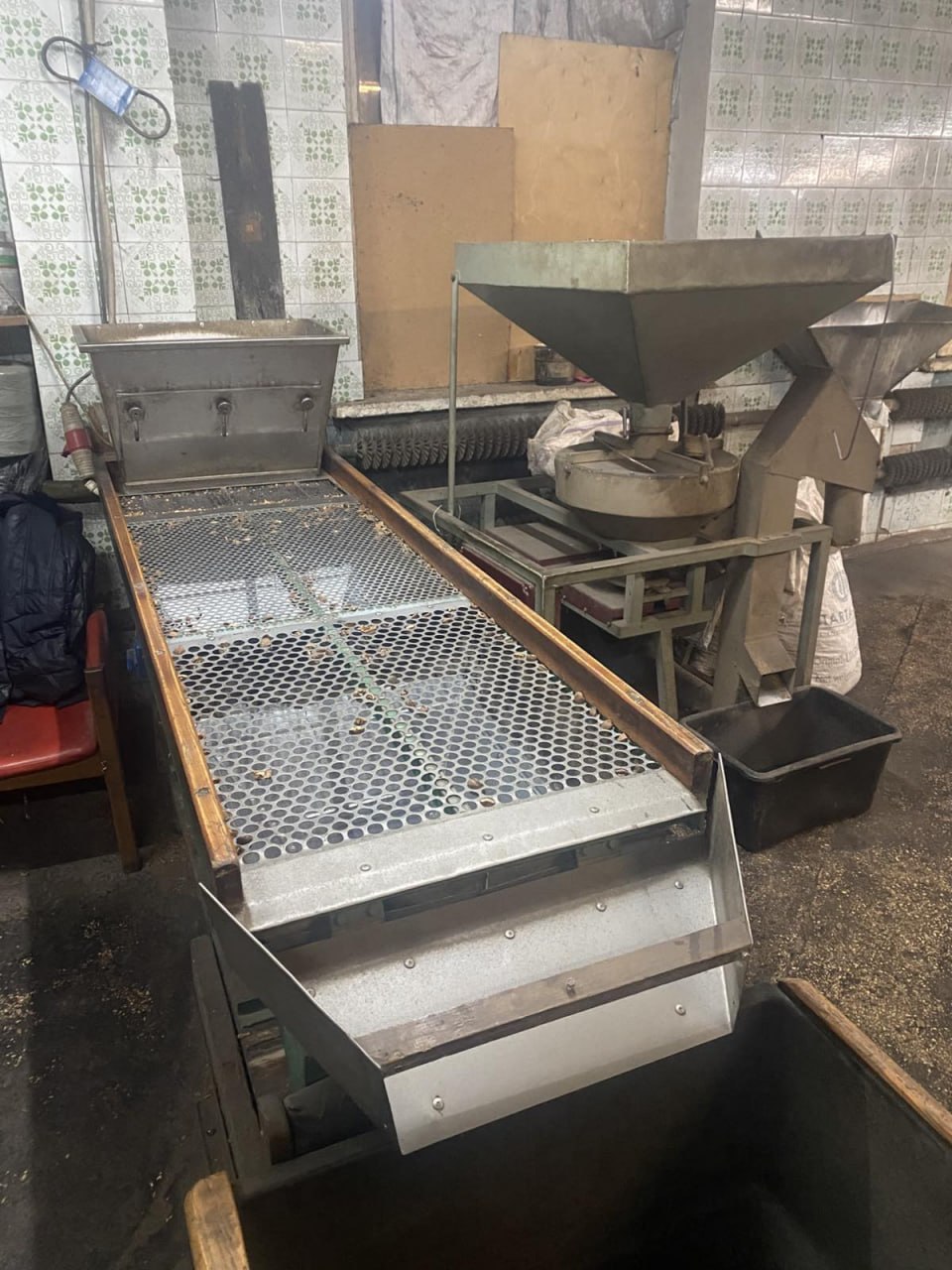
Another unit, costing $1,500, includes a vibrating hopper to separate shells from uncracked nuts and an additional large-capacity dust extraction system. Afterward, the uncracked nuts can be fed to a separate machine for re-cracking, costing $1,000.
For product sorting, the set includes a calibrator with 5 mm, 13 mm, and 19 mm openings—$1,000.
The set also includes a kernel drying unit with a capacity of up to 200 kg per load. The set includes the drying unit itself and a heat gun. The cost of the equipment is $500.
A separate advantage of the complex is a refrigeration unit costing $4,000, which has seen virtually no use and allows for the proper storage of finished kernels and the maintenance of product quality.
For waste processing, there is a machine worth $500 that grinds eggshells into a fine powder. This not only reduces the volume of production waste but also allows the eggshells to be treated as a separate product for further use or sale.
Along with the main equipment, the buyer receives a substantial set of production inventory with a total estimated value of approximately $1,500. This includes two scales, a hydraulic pallet jack, about 150 plastic crates, 40–50 pallets,two containers or devices for transferring products, bags and consumables, ties, lubricants, fasteners, cables, a spare engine for the drying cannon, a capacitor for the calibrator, tools, and other small items necessary for operation.
Additionally, the complex may include a nut dryer for nuts in the shell, valued at $1,000. It is currently located at the supplier’s orchard. This equipment also offers an additional commercial advantage: the supplier uses the dryer and, in return, sells the owner of the complex a harvest of premium-grade nuts. Thus, along with the equipment, it is potentially possible to retain the already established relationships with the raw material supplier.
If necessary, the price can be reduced to $25,500 by excluding the in-shell nut dryer and the shell crusher from the deal. The remaining equipment forms a single production line and is essential for full-scale, streamlined processing.
In fact, the buyer receives not a set of individual machines, but a ready-to-use production line: raw material feed → cracking → aspiration cleaning → re-cracking → sorting → grading → drying → storage of finished kernels.
The complex is suitable for processing your own harvest, purchasing nuts from farms and orchardists, producing kernels for wholesale and retail sales, as well as for the further development of shell processing operations.
The price of the complete complex is $27,000.
Optimized configuration: $25,500.
Main production line capacity: 60–80 kg/hour.
Kernel dryer loading capacity: up to 200 kg.
+380639425723
Dmytro
BUSINESS, EQUIPMENT, MANUFACTURING, NUTS, PROCESSING, PRODUCTION
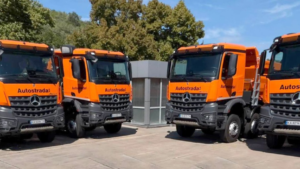
The “Autostrada” Group of Companies purchased 100 new Mercedes-Benz Arocs dump trucks with a total value of 1 billion UAH, according to the group’s founder, Maksym Shkil.
“Autostrada continues to systematically invest in expanding its fleet and its own production capabilities. The company has purchased 100 new Mercedes-Benz Arocs 5 4142 K (8×4) dump trucks. This is one of Autostrada’s largest investments in fleet modernization since the start of the full-scale war—it totals 1 billion hryvnia,” Shkil wrote on Facebook on Tuesday.
According to him, the group has invested over 10 billion hryvnia in vehicles, specialized equipment, and production facilities since the start of the war.
Shkil emphasized that a key component of this particular deal was comprehensive protection for the vehicles against military risks: all vehicles have full insurance coverage, including comprehensive coverage (CASCO), civil liability, and additional insurance against military risks.
The new dump trucks have already been dispatched to Autostrada’s construction sites throughout Ukraine.
Mercedes-Benz Arocs trucks are designed for intensive use and heavy loads. The 421-ks OM 471 engines, 8×4 wheel configuration, and MEILLER Halfpipe bodies provide the necessary performance for operating in challenging road and working conditions.
“Even amid the war, we continue to develop our own technical infrastructure, implement modern technologies, and invest in our team. This approach allows us to control key production processes, reduce dependence on external resources, and ensure on-time delivery, quality, and results at every stage of project implementation,” Shkil emphasized.
The purchase was financed in partnership with OTP Leasing Ukraine, with which Autostrada has been collaborating for 10 years.
The Autostrada Group of Companies is a leader in infrastructure construction in Ukraine. Its areas of activity include road construction, bridge construction, industrial construction, underground construction, and design.
According to data from YouControl, in January–June of this year, Autostrada Group LLC reported 2.4 million UAH in net profit (compared to 91.1 million UAH for the same period in 2025) and 1.92 billion UAH in net revenue (5.13 billion UAH).
As previously reported, a missile strike on “Autostrada’s” production facility in Kyiv in early August destroyed and damaged more than 20 pieces of equipment, a concrete plant, a service center for equipment repairs, production facilities, and a laboratory complex.
Autostrada, dump truck, EQUIPMENT, INVESTMENT, MERCEDES-BENZ, ШКІЛЬ
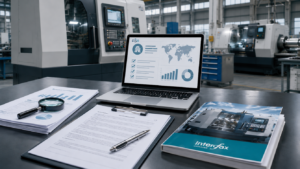
Before purchasing equipment abroad, a Ukrainian company should check the seller, its financial condition, address, owners and ability to fulfil the contract.
The purchase of industrial equipment abroad often requires a substantial advance payment. Depending on the terms of the contract, a Ukrainian buyer may transfer 30–70% of the price to the supplier before the equipment is manufactured or shipped.
The larger the advance payment, the more important it is to make sure that the foreign company actually exists, has the stated specialisation, production capabilities and experience in fulfilling similar contracts.
A professional website, presentation, photographs of the equipment and active correspondence are not sufficient proof. Fraudsters may use other people’s images, create companies with similar names or send invoices containing the bank details of a third party.
Before concluding a contract, it is advisable to check the seller’s exact legal name, registration number, address, date of incorporation, status, executives, owners, corporate affiliations, financial indicators and payment history.
D&B’s Business ID Report and Business Information Report may contain registration details, information about operations, corporate structure, financial indicators, credit ratings, payment behaviour and legally significant events.
“The more attractive the offer and the larger the advance payment, the more thorough the seller’s verification should be. Photographs of the equipment, a website and a corporate presentation do not confirm that the company has the necessary assets, experience and ability to fulfil the contract,” said Maksym Urakin, Director of Development and Marketing at Interfax-Ukraine, Head of the D&B–Interfax-Ukraine business unit and PhD in Economics.
The bank details should be separately cross-checked against the legal entity specified in the contract. A change of bank account immediately before payment, a request to transfer money to another company or the use of a bank in a third country requires an additional explanation.
The risk can be reduced through staged payments, a documentary letter of credit, a bank guarantee, insurance, an independent inspection of the production facility or an inspection of the equipment before shipment.
If the seller is an intermediary, the buyer should understand who directly manufactures the equipment, who is responsible for the warranty and who will bear the obligations in the event of a delay or technical defect.
Verification is also necessary after the contract has been signed, especially if manufacturing takes several months. A deterioration in financial condition, a change of ownership or the cessation of operations may affect the fulfilment of the order.
Dun & Bradstreet has operated in the field of business information and risk assessment since 1841. The company provides international business reports and data on companies’ payment behaviour, corporate affiliations, creditworthiness and ownership structures.
Interfax-Ukraine is D&B’s official representative in Ukraine. The agency’s specialised unit helps Ukrainian companies order checks on foreign manufacturers, sellers and suppliers. Interfax-Ukraine has operated since 1992 and is an independent Ukrainian news agency.
For enquiries, please visit D&B’s specialised website at dnb.ua, email Urakin@interfax.kyiv.ua or call +38 (044) 270-65-74.
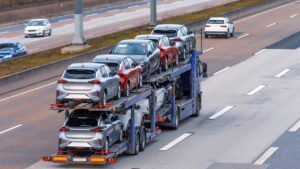
In January–July 2026, Ukraine imported machinery, equipment, and vehicles worth $25.7 billion, accounting for more than 44% of the country’s total merchandise imports, according to the State Customs Service.
The second-largest category was fuel and energy products, with imports totaling $8.5 billion, followed by chemical industry products at $8 billion.
Collectively, these three commodity categories accounted for $42.2 billion, or about 73% of Ukraine’s imports over the seven-month period.
During customs clearance of machinery, equipment, and vehicles, 145.5 billion UAH in customs duties were paid to the state budget, accounting for 28% of the corresponding revenue.
Fuel and energy products accounted for 172.7 billion UAH, or 34% of customs duties, while chemical products accounted for 66.5 billion UAH, or 13%.
Thus, the three largest import categories accounted for about 75% of customs duties.
Total imports of goods into Ukraine in January–July rose by 26.6% compared to the same period last year—to $58.1 billion.
The largest supplier countries were China with $16.8 billion, Poland with $5.5 billion, and Germany with $3.8 billion.
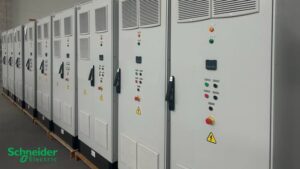
Schneider Electric has implemented a large-scale infrastructure project: 26 Ukrainian cities have received state-of-the-art equipment to improve the energy efficiency and operational reliability of their district heating systems.
Completing the project before the start of the 2025/2026 heating season allowed heating utilities to better prepare for peak loads. Thanks to the equipment provided, the cities were able to navigate the heating season more smoothly, reducing the risk of unscheduled outages and improving the overall efficiency of their systems.
As part of the project, Schneider Electric supplied control cabinets for pumps and blower mechanisms, equipped with state-of-the-art variable-frequency drives, to 26 cities in Ukraine across the Chernihiv, Cherkasy, Lviv, Ivano-Frankivsk, Ternopil, Rivne, Vinnytsia, Khmelnytskyi, Zhytomyr, Odesa, Kirovohrad, Kherson, Sumy, Poltava, and Kyiv regions.
A key element of the project was the implementation of variable-frequency drives to regulate the operation of pumping equipment at heat supply companies, which significantly improved the energy efficiency of the systems, reduced electricity consumption, optimized operating costs, and extended the service life of the equipment.
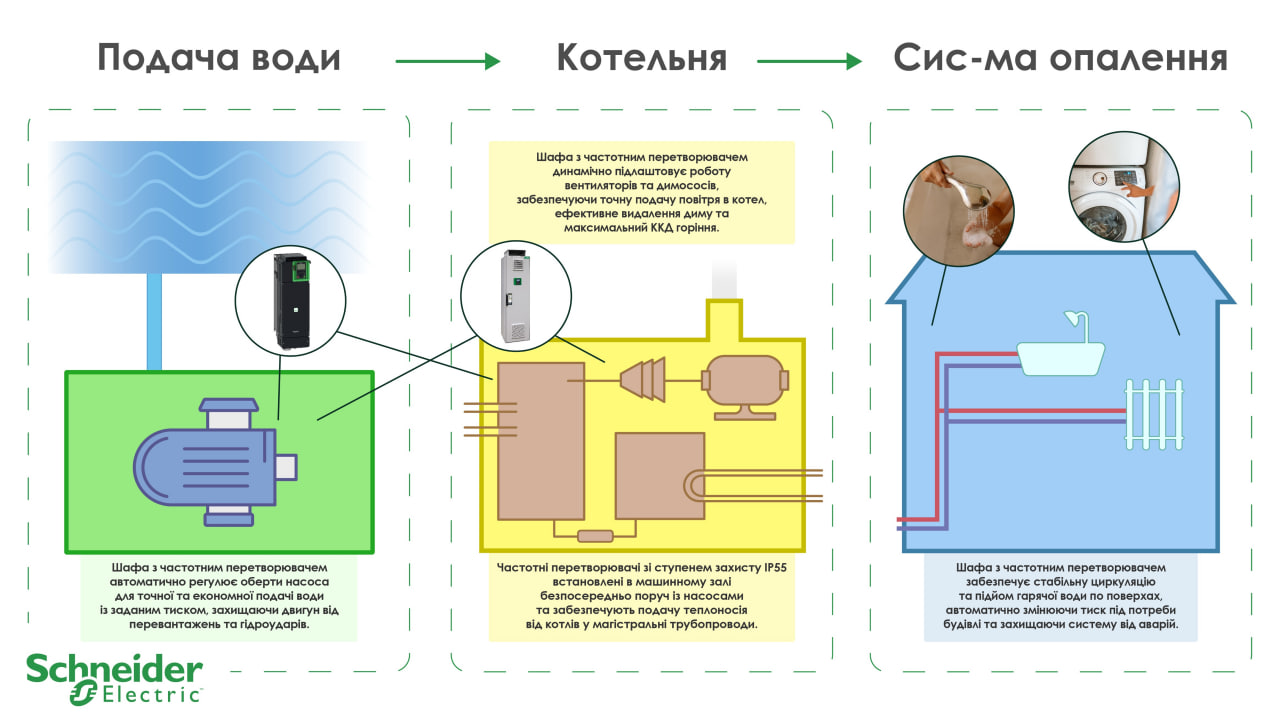
The solutions, based on Schneider Electric technologies, include fully equipped control cabinets for pumping equipment. The cabinets are protected against moisture and dust, allowing them to be installed directly in machine rooms, thereby reducing costs and simplifying installation.
The companies have gained tools for more flexible equipment management, reducing the load on the power grid, and improving the quality of heat supply services for consumers.
“This is not just about supplying equipment, but about a long-term investment in energy efficiency and the stability of heat supply in Ukraine. Already today, we are seeing how the implemented solutions are helping enterprises optimize energy consumption, improve system reliability, and lay the foundation for further modernization of the industry,” said Mykhailo Bubnov, CEO of Schneider Electric Ukraine.
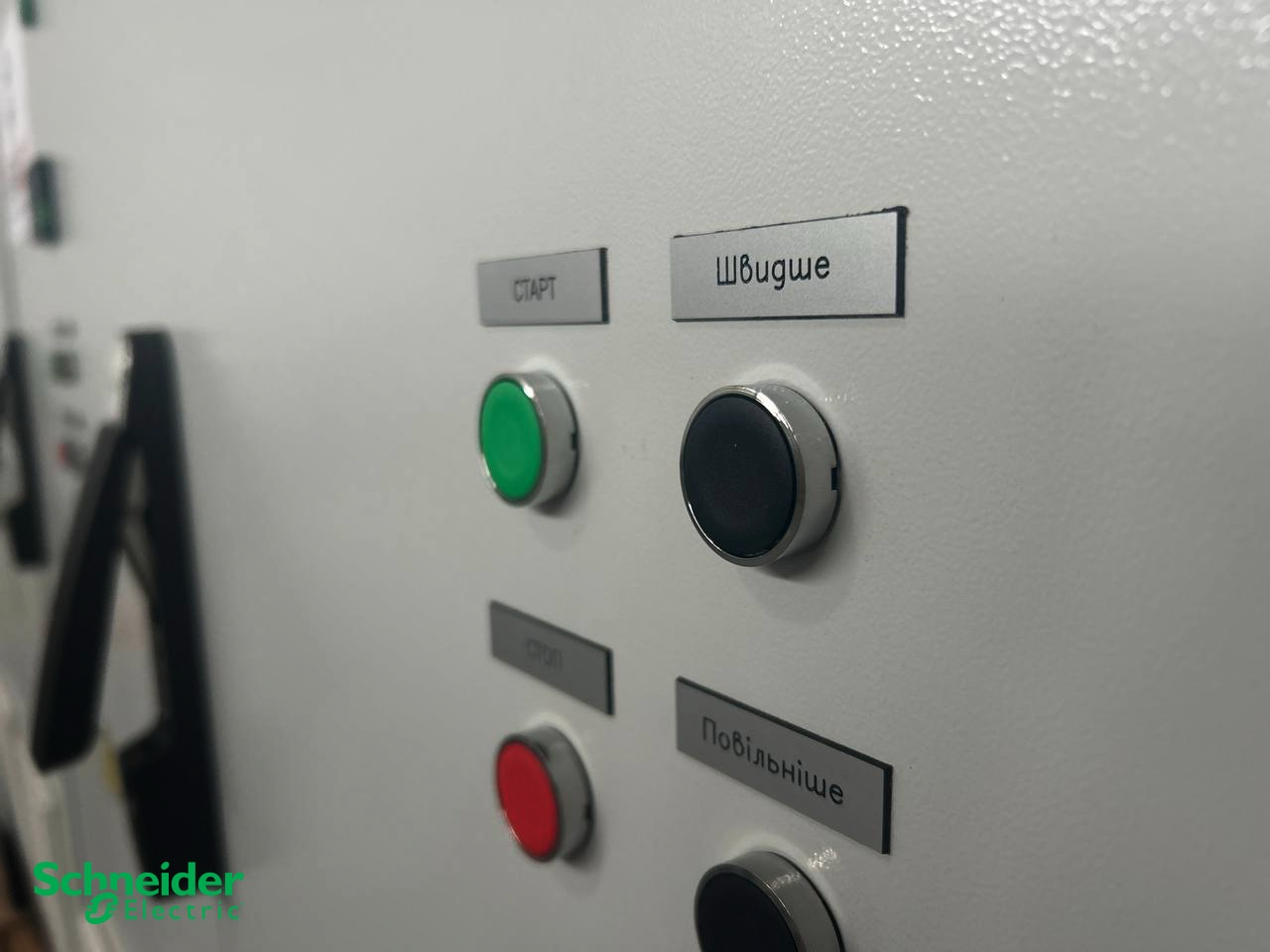
The completed project serves as an example of collaboration aimed at implementing modern energy-efficient technologies and improving the operational efficiency of Ukraine’s utility companies.
Schneider Electric is a global leader in energy technologies that enhances efficiency and promotes sustainable development through the electrification, automation, and digitalization of industry, business, and residential spaces. The company’s technologies enable buildings, data centers, factories, infrastructure, and power grids to function as open, interconnected ecosystems, increasing productivity, resilience, and environmental sustainability. The company’s portfolio includes smart devices, software-defined architectures, artificial intelligence-based systems, digital services, and professional consulting services. With 160,000 employees and 1 million partners in over 100 countries, Schneider Electric consistently ranks among the world’s most sustainable companies.
ENERGY EFFICIENCY, EQUIPMENT, HEATING, MODERNIZATION, Schneider Electric



