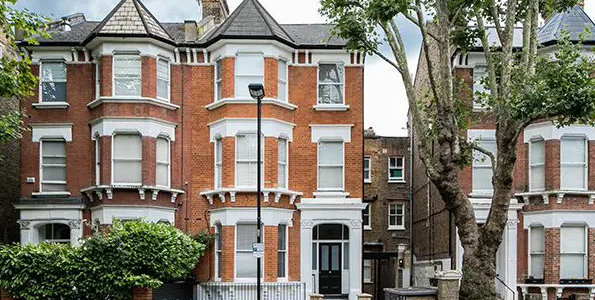
Nearly four out of ten apartments in London that were resold within 12 months as of August 2026, after five to ten years of ownership, were sold for less than their original purchase price. This is according to an analysis by e.surv Chartered Surveyors.
The share of loss-making apartment resales in the British capital reached 39.5%, the highest rate among regions in the United Kingdom. By comparison, among homes owned for the same period, the share of sales below the original purchase price was less than 4%.
In Southeast and East England, approximately one-third of apartments that owners had held for five to ten years were also sold for less than their purchase price. In central and northern England, such transactions accounted for about 20%, while the UK-wide average was slightly more than a quarter. In Scotland, the figure remained below 10%.
According to e.surv’s assessment, price trends for apartments and single-family homes began to diverge noticeably around 2017. Among the factors holding back apartment prices, analysts cite leasehold issues, high service charges, safety concerns regarding buildings, the cost of replacing cladding following the cladding crisis, and rising mortgage costs.
Additional pressure is coming from the general weakening of the London real estate market. According to the e.surv index, the average housing price in the United Kingdom in September 2026 was approximately £328,900, which is 1.5% higher than a year ago. However, London was the only major region to see a year-over-year decline in prices—by approximately 2.3%, to 594,200 pounds
A separate analysis by ValuQ also shows an increase in the number of loss-making transactions in England and Wales. In the first half of 2026, 16.3% of residential properties resold less than five years after purchase were sold for less than their original price. Among apartments, this figure reached 29.5%. The total difference between the purchase price and the resale price of such properties was estimated at approximately £210 million.
It is important to note that this is strictly a nominal comparison of purchase and sale prices. The calculation does not include stamp duty, mortgage interest, real estate agent commissions, renovation costs, maintenance fees, or other owner expenses. Therefore, the actual financial outcome for some sellers may be even worse.
Experts attribute the weak performance of the apartment market primarily to the fact that buyers are increasingly carefully evaluating the ongoing maintenance costs of apartment buildings and potential legal and technical risks. At the same time, demand for single-family homes and townhouses remains relatively more stable.