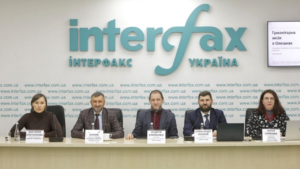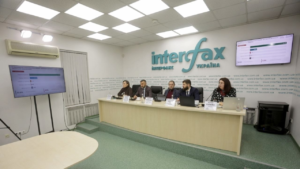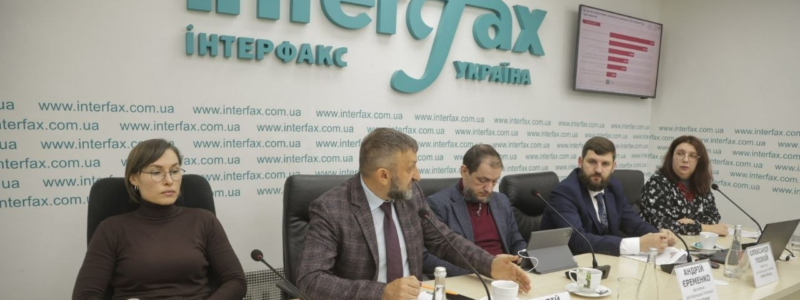
The personal participation of Ukrainian Parliament Commissioner for Human Rights Dmytro Lubinets in the humanitarian mission in the temporarily occupied town of Oleshky in Kherson region was positively assessed by 61.3% of surveyed Ukrainians, while 29.6% said their attitude toward the ombudsman had improved following reports of his involvement, according to the results of an Active Group study presented on Tuesday at a press conference at the Interfax-Ukraine news agency.
According to the survey, conducted on October 31 at the request of the publication Politarena, 28.4% of respondents assessed Lubinets’ decision to personally join the humanitarian operation very positively, while another 32.9% assessed it rather positively. Some 3.3% viewed the decision negatively, 23.5% expressed a neutral attitude, and another 11.9% reported having insufficient information.
Oleksandr Pozniy, director of Active Group, noted that the survey demonstrated a predominantly positive perception of the Ukrainian ombudsman’s actions, despite critical discussions surrounding his contacts with representatives of the Russian side.
“A huge proportion of people, 54%, said their attitude had not changed. But among those whose opinions did change, we see that approximately 4% changed their opinion in a negative direction, while almost 30% changed it in a positive direction. This speaks very clearly about the level of support for Dmytro Lubinets,” he said.
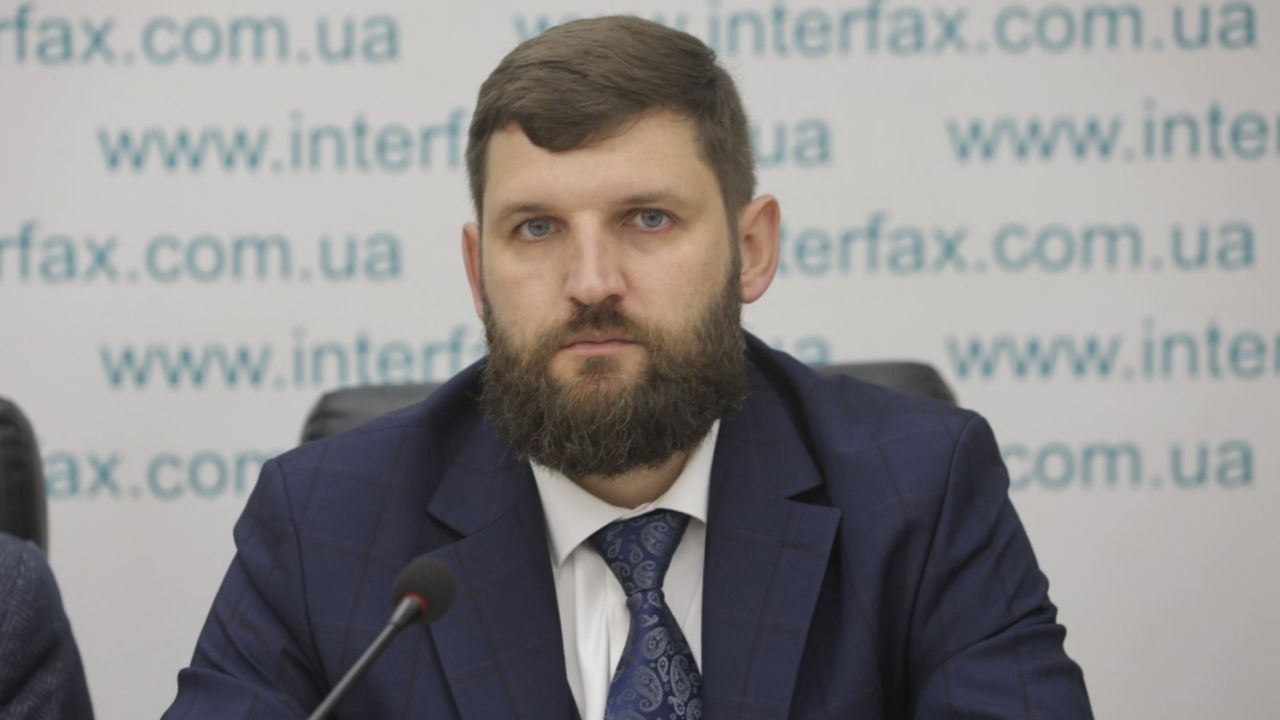
According to the study, 12.3% of respondents said their attitude toward Lubinets had improved significantly, while 17.3% said it had rather improved. It remained unchanged for 54.1% and worsened for 4.2%. Another 12.1% were unaware of his participation in the mission or were unable to answer.
A separate question concerned the impact of the personal participation of the head of a humanitarian operation on trust in its organizers as a whole.
In particular, 20.6% of respondents believe that such participation significantly increases trust, while 35.7% believe it rather increases trust. Meanwhile, 21.9% are convinced that it has no effect on trust, 4.9% believe it reduces trust, and 16.9% were undecided.
Andriy Yeremenko, founder of Active Group, explained that the personal presence of the mission leader in territory controlled by the enemy could have been an important factor in building confidence among people who agreed to be evacuated.
“People could simply have been afraid to board these buses, given their experience of living under Russian control. But the appearance of such a person, whose presence in a certain way guarantees security, gives them confidence and a willingness to leave. On the other hand, it is also a guarantee for all sides that there will be no violation of the ceasefire,” Yeremenko noted.
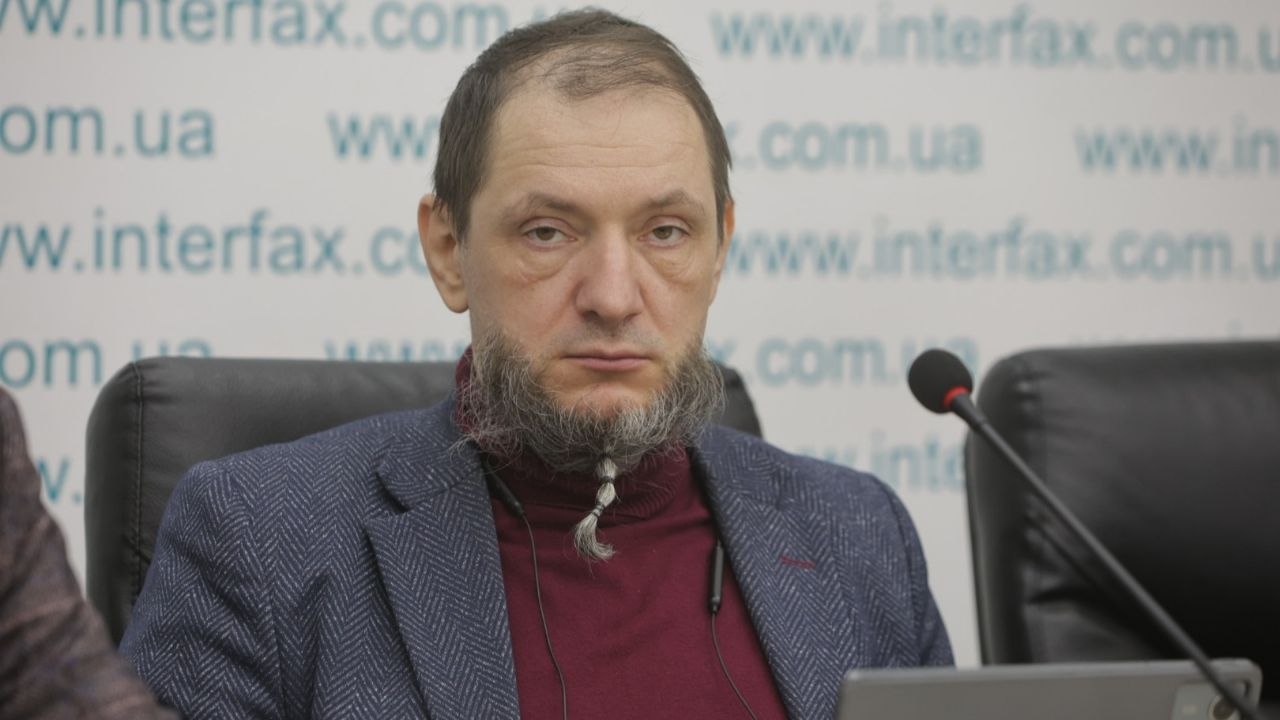
Viktoriya Plotnikova, editor-in-chief of Politarena, drew attention to the difference between the reactions of social media users and the assessments of survey respondents.
“The mission in Oleshky was truly unique, not only because of the local ceasefire but also because of communication with the enemy. We saw the Ukrainian and Russian ombudsmen communicating about such an important humanitarian issue as saving people. This, of course, caused a very emotional reaction among Ukrainians,” she said.
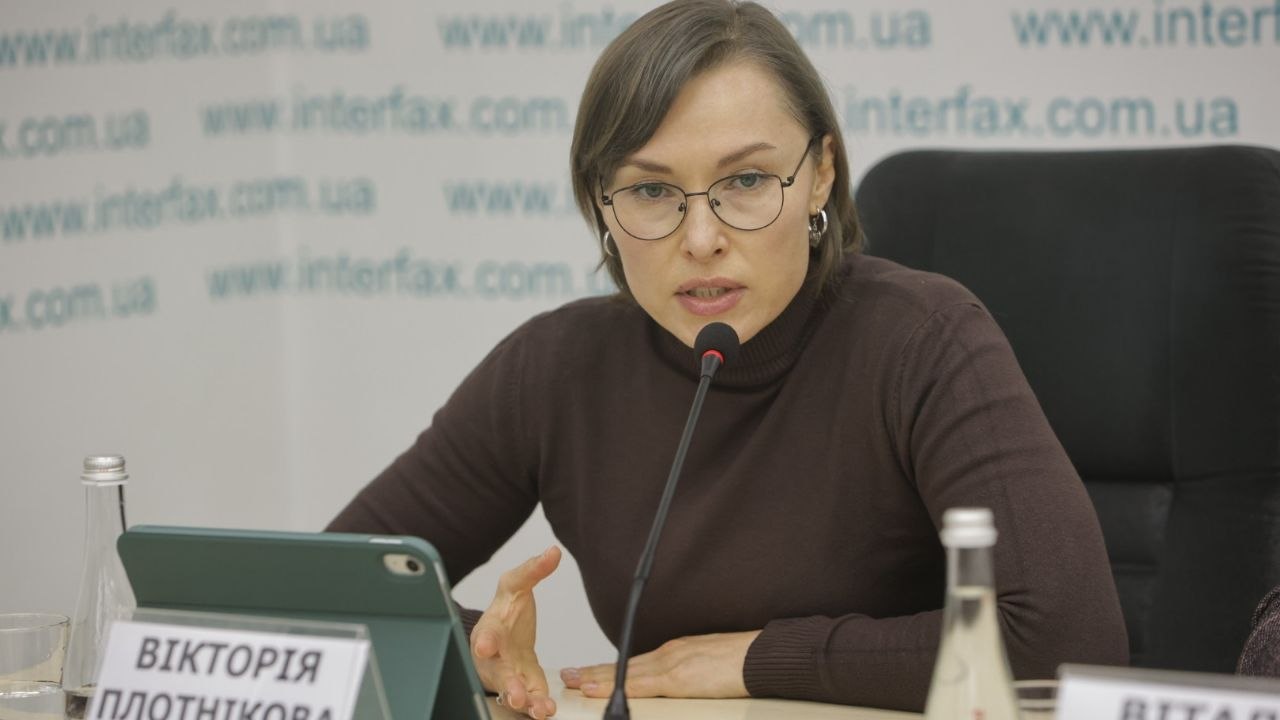
According to Plotnikova, it was precisely the unusual format of the operation and the public discussion surrounding direct communication between representatives of Ukraine and the Russian Federation that prompted the rapid sociological study.
Vitaliy Kulyk, director of the Center for Civil Society Studies, described Lubinets’ personal participation as one of the key factors in the implementation of the humanitarian mission.
“It was a risky operation; no one guaranteed the safety of Lubinets and his advisers. There was a constant sense of danger that a provocation might occur. But this did not happen, in particular thanks to the mediation mission of Melania Trump,” the expert noted.
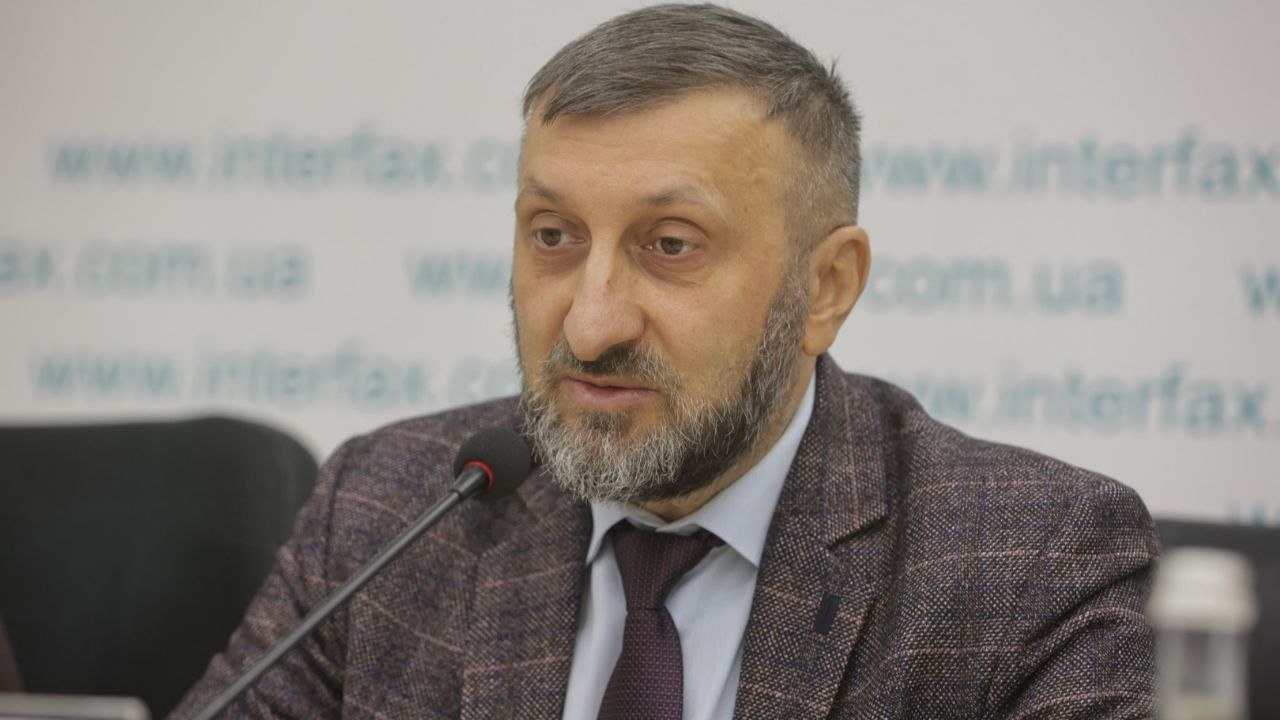
In Kulyk’s opinion, the experience of the humanitarian operation demonstrated the possibilities for direct working contacts between human rights commissioners even during wartime. At the same time, he emphasized that the effectiveness of the mission should be assessed not only by the evacuation itself but also by the subsequent support provided to the rescued citizens.
“We saved people, but what comes next? Those rescued from Oleshky are internally displaced persons. The issue of their reintegration into normal life is one of the issues we have no right to leave unattended,” Kulyk stressed.
He drew attention to the need to ensure that evacuees, many of whom are elderly, have access to social benefits, document restoration, medical assistance and other public services.
Overall, 93.6% of respondents support the humanitarian mission in Oleshky, while 93.8% consider it important. Some 57.1% of respondents gave positive assessments of the international mediation by US First Lady Melania Trump.
At the same time, the results concerning increased trust in organizers relate to the personal participation of humanitarian mission leaders in general and do not constitute a direct measurement of changes in Lubinets’ trust rating.
The survey was conducted by the research company Active Group on October 31, 2026, at the request of Politarena through the SunFlower Sociology online panel among 1,000 respondents. The stated statistical margin of error is ±3.1%. According to the organizers, the sample represents Ukraine’s adult population, excluding temporarily occupied territories.
ACTIVE GROUP, Dmytro Lubinets, humanitarian mission, SOCIOLOGY, UKRAINE, Олешки