According to experts.news, a new heat wave is sweeping across the Balkans and a significant portion of the Danube basin. From July 31 to August 6, temperatures in several countries in the region will reach 35–40 degrees, which will exacerbate the drought and worsen conditions on the Danube, where water levels have already dropped to long-term lows and, in some places, record lows.
The highest temperatures are forecast for Serbia, Croatia, Montenegro, Albania, North Macedonia, and Hungary. In Belgrade, Novi Sad, Zagreb, Podgorica, Tirana, Skopje, and Budapest, temperatures are expected to reach 37–40 degrees. In Sarajevo, temperatures will reach 35–37 degrees.
In Bulgaria and Romania, the heat will initially be less intense, but by August 4–5, temperatures in Bucharest are expected to reach 36–37 degrees. In Moldova, temperatures will rise from 30 degrees on July 30 to 37 degrees on August 4–5. In the Odesa region and the Ukrainian part of the Danube Delta, temperatures are expected to range from 27–32 degrees, but nighttime temperatures in early August may reach 24 degrees.
The situation in the upper part of the basin also remains challenging. In Vienna, temperatures are forecast to reach up to 39 degrees on July 31, and up to 38–39 degrees on August 3–4. In Budapest, temperatures from July 31 through August 5 will mostly range from 38–40 degrees. Isolated thunderstorms in Austria may cause a temporary rise in water levels, but the prolonged heat wave will prevent the accumulated precipitation deficit from being quickly offset.
On the Danube, Sava, and Tisa rivers in Serbia, water levels are below the low navigational marks. In Croatia and Serbia, shallowing has already led to the formation of large sandbars, small vessels running aground, and old sunken ships resurfacing, posing an additional danger to navigation.
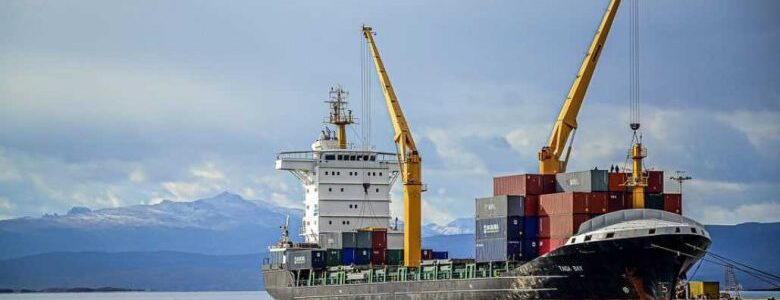
Due to insufficient depth, barges and tankers are utilizing only 30–40% of their carrying capacity in certain sections. In July, Serbia received only about 25% of its planned volume of imported fuel via the Danube. Production at Serbia’s largest hydroelectric power plant, “Džerdap-1,” has fallen to about one-third of its usual level.
In Romania, the inflow of water into the Danube has dropped to approximately 1,650 cubic meters per second, compared to an average July figure of about 4,750 cubic meters. Low water levels have led to the shutdown of both power units at the Cernavodă Nuclear Power Plant, which uses water from the Danube for cooling. In Hungary, restrictions have affected the Paks Nuclear Power Plant.
In the Bulgarian-Romanian section, navigation has been restricted near the islands of Belene, Vardim, and Batyn. Vessels are forced to wait for passage clearance and reduce their cargo loads. At the end of July, a passenger motor ship also ran aground on the Danube, despite the restrictions on draft that were in effect.
Analysis of the Impacts on the Ten Danube Countries
In Germany and Austria, low outflow from the upper reaches means a reduction in the volume of water flowing downstream. Short-term downpours may cause localized rises in water levels, but sustained rainfall throughout the upper and middle basins is necessary for a stable recovery.
For Slovakia and Hungary, the main risks are related to restrictions on barge loading, a decline in river tourism, disruptions in the supply of fuel and raw materials, and strain on energy infrastructure. In Budapest, the Danube’s water level fell below previous lows, and tourist cruises on certain routes were suspended.
Croatia and Serbia are already feeling the direct impact of low water levels on the transport of fuel, industrial raw materials, and agricultural cargo, as well as on port operations. Sandbars and sunken vessels that have risen closer to the surface pose an additional hazard.
For Bulgaria and Romania, low water levels mean reduced vessel draft, queues at narrow sections, suspended ferry crossings, rising grain transportation costs, and risks to the energy sector. Romania is a key link in the route between Ukrainian Danube ports and Constanța, so delays are spreading throughout the entire Lower Danube corridor.
Moldova has a short outlet to the Danube via the port of Giurgiulești. It is located on the river’s maritime section and has greater depth than many inland ports, making it less directly vulnerable to the shallowing of the middle Danube. However, Moldovan cargo depends on the stable operation of the lower reaches of the river, the Romanian canals, and access to the Black Sea. Delays and rising freight rates on this route could increase the cost of the country’s imports and exports.
For Ukraine, the lower Danube is particularly important due to the operations of the ports of Reni, Izmail, and Ust-Dunaysk. Critically low water levels are already limiting the normal loading of barges and delaying the fulfillment of contracts. As of July 20, the cost of transportation from Reni and Izmail to Constanta has risen to approximately $28 per metric ton, and some vessels are losing 30–60% of their cargo capacity.
The continued heat through August 6 will intensify evaporation and maintain pressure on the Danube’s water regime. Even with local rains, any improvement will most likely be temporary, as the water shortage is affecting the entire basin—from Germany and Austria to Romania, Moldova, and Ukraine.
For shippers, the most likely consequences will be a further reduction in barge loading capacity, the use of more vessels to transport the same volume, rising freight rates, delays in the delivery of fuel, grain, and industrial raw materials, as well as the partial rerouting of cargo to rail and road transport.
A significant improvement in the situation is possible only after a prolonged period of rainfall in the Alps, Germany, Austria, Slovakia, and other parts of the basin.
GERMANY, HEAT, low water levels in the Danube, TRANSPORTATION, UKRAINE