
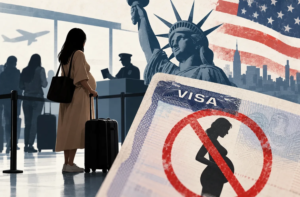
The U.S. has imposed new visa restrictions on foreign nationals who knowingly participate in organizing so-called “birth tourism” or facilitate such trips, U.S. Secretary of State Marco Rubio announced.
The State Department’s new policy took effect on September 23, 2026, and is enforced under Section 212(a)(3)(C) of the U.S. Immigration and Nationality Act. The restrictions may apply to individuals who participate, have previously participated, or assist in organizing trips to the U.S. with the primary purpose of giving birth to a child and securing U.S. citizenship for that child.
Specifically, the measures may affect owners, executives, and managers of companies specializing in “birth tourism,” visa brokers who instruct clients to provide false information when applying for visas, as well as foreign healthcare professionals who knowingly facilitate such trips or the fraudulent use of the Medicaid program. The restrictions may also extend to other individuals who support commercial schemes and, in certain cases, to their family members.
According to Rubio, commercial “birth tourism” networks advertise their services abroad, help applicants conceal the true purpose of their trip, and may charge tens of thousands of dollars to arrange childbirth on U.S. soil.
However, this is not the first time a ban has been in place on using a B-category visitor visa for a trip whose primary purpose is to give birth to a child in order to obtain U.S. citizenship for that child. Since January 24, 2020, U.S. consular officers have been required to deny a B visa if they have reason to believe that this is the primary purpose of the trip.
The new 2026 policy shifts the focus from the applicants themselves to the organizers, intermediaries, and infrastructure behind such schemes. Immigration lawyers note that the State Department has not yet disclosed in detail what evidence will be used, how exactly individuals subject to the restrictions will be identified, or whether the new measures will affect visas that have already been issued.
Pregnancy alone is not an automatic basis for visa denial. The State Department continues to allow travel to the U.S. for medical treatment, including medical care during pregnancy, provided the applicant meets the requirements for the relevant visa and can confirm the purpose of the trip and the ability to pay for medical expenses. However, “birth tourism”—where the primary purpose is to obtain U.S. citizenship for a child—is not officially considered a valid basis for issuing a visitor visa.

Having a baby in the United States has always attracted future parents from all over the world. In addition to the high level of medical services, this gives the child a unique opportunity to automatically become a US citizen, regardless of the status of their parents. But will the rules for granting citizenship change due to Donald Trump’s new executive order?
Donald Trump’s executive order to abolish birthright citizenship has sparked heated debate not only in America but around the world. This practice, known as jus soli (“right to the land”), has become the subject of litigation and political confrontation. How will this affect maternity tourism in the United States and the future of those who plan to give birth in America?
According to the decree, US government agencies must stop issuing citizenship to children born in the United States to parents who do not have legal status. However, this decree is unlikely to become law in the coming years. The granting of citizenship remains strictly regulated by the 14th Amendment to the US Constitution, which guarantees the right to citizenship to every person born in the country.

The order has been subject to widespread legal challenges. The attorneys general of 22 states have filed lawsuits challenging the unconstitutionality of the decision. And the Federal Court in Seattle has already blocked the order by imposing a temporary moratorium. The lawsuits argue that citizenship is a right guaranteed by the constitution, and even the president cannot cancel it with a single decree.
Even if the moratorium is in effect or the decree is blocked by the courts, the issuance of citizenship to children continues as usual. For many parents, the right to citizenship is the main reason for choosing to give birth in the United States. A US citizen child receives privileges in education, employment, and social security, and also opens up the possibility for parents to obtain the right to reside in the US in the future through family reunification.
Giving birth in the United States is attractive not only because of citizenship. The high level of medicine, modern equipment, and qualified doctors ensure comfort and safety for mother and child. Many people also appreciate the tropical climate and relaxed atmosphere, which contributes to easy recovery after childbirth.
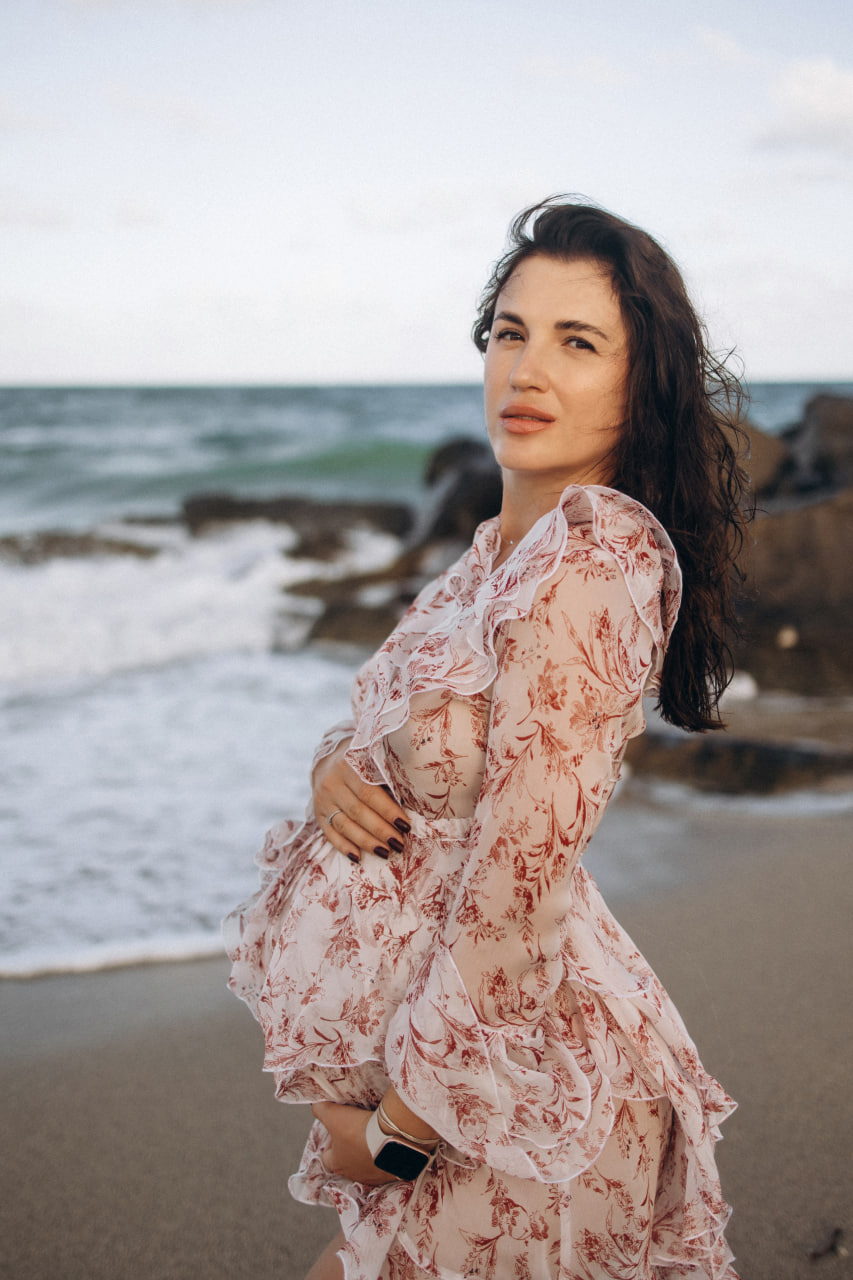
Service packages include:
– Assistance in choosing a clinic and a doctor.
– Arranging accommodation and transfers.
– Legal support for the preparation of documents for the child.
– Childbirth and medical support during pregnancy.
The company’s clients note the high level of service and care. For example, one of the mothers notes: “The whole process, from the organization to the delivery itself, was as comfortable as possible. We felt safe, and the doctors are true professionals. Many thanks to the AIST team!”
Despite attempts to change the citizenship policy, the likelihood of Trump’s decree being implemented is low due to strong opposition from the judiciary and the public. Court proceedings will drag on for years, and children born in the United States will continue to receive citizenship under the 14th Amendment.
Thus, there is no cause for concern for those planning to give birth in the United States. American citizenship remains a profitable investment in the child’s future, and the services of professionals such as AIST will help make this process as comfortable as possible
AIST, birth tourism, LABOR, TRUMP, USA



