
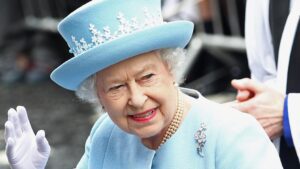
In the UK, at least 10 days of mourning are expected in connection with the death of Queen Elizabeth II, after which her funeral will take place, during which time major sports and government events are likely to be canceled, English media reported on Thursday.
Elizabeth’s body will be moved to Edinburgh Cathedral and later to Buckingham Palace. Five days after that, he will be moved to Westminster Hall. The Queen’s funeral, according to the media, is expected at Westminster Abbey 10 days after her death.
The death of Elizabeth II means that her eldest son, Crown Prince Charles, at the age of 73, automatically becomes the new king of Great Britain, and his wife Camilla becomes queen.
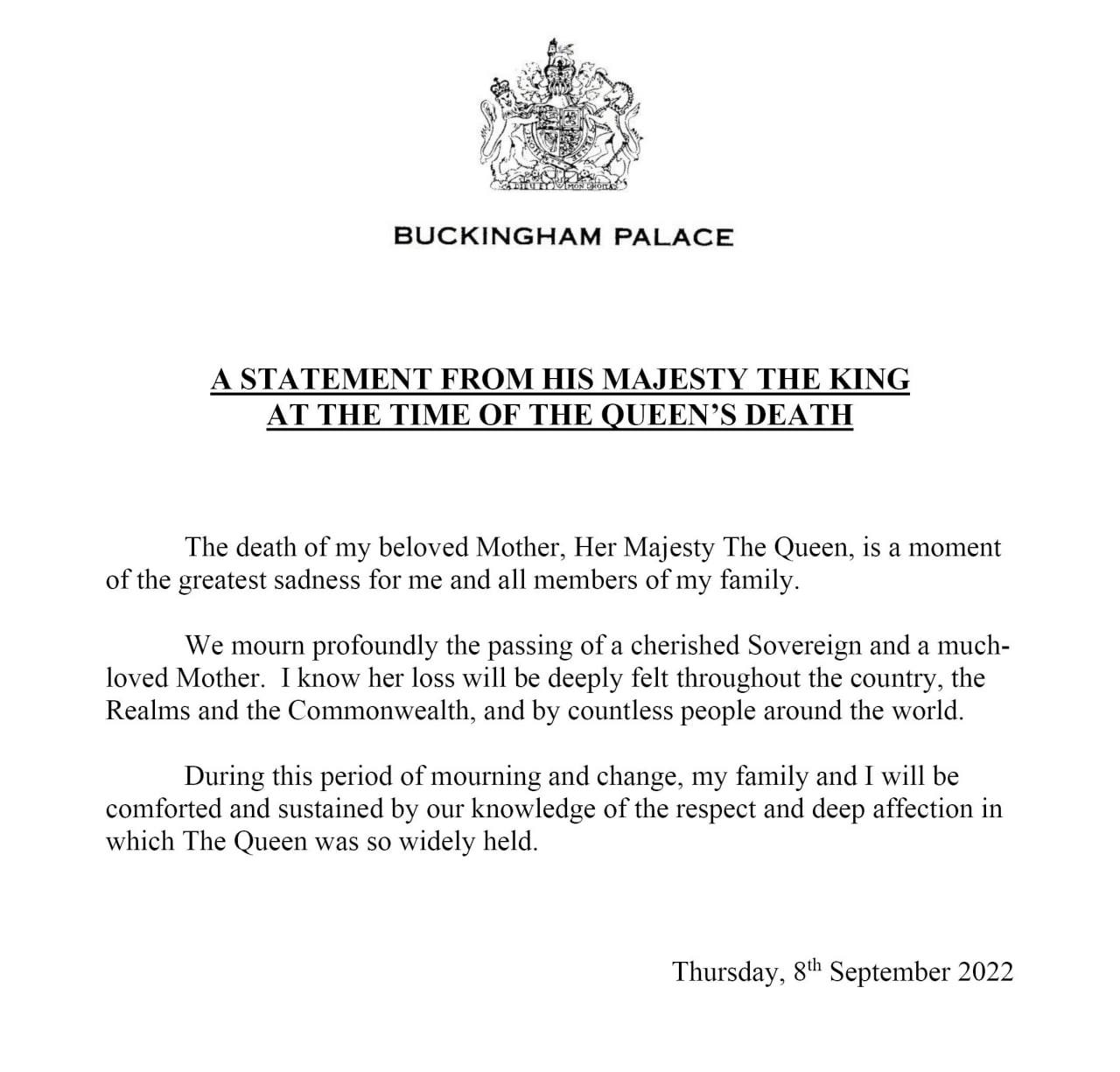
“The death of my dear mother, Her Majesty the Queen, is a moment of great sadness for me and all members of our family. We deeply mourn the passing of a beloved monarch and beloved mother,” the new king of Great Britain said in an official statement.
A number of ceremonial events are expected to take place on Friday to officially mark the new king’s ascension to the throne. Traditionally, after the death of the monarch, the Council of Succession meets to resolve organizational issues.
In addition, Clarence House – the residence of the British royal family – on Thursday evening confirmed that the king will rule under the name Charles III.
It is not yet known when the coronation ceremony will take place. Queen Elizabeth II was crowned more than a year after her father’s death.
It is also expected that major sporting events such as football and cricket matches will be cancelled. Already in today’s Europa League match, in which the English “Arsenal” met with the Swiss “Zurich”, before the start of the second half, they held a moment of silence.
The British media report that, most likely, the country’s authorities will not hold any non-urgent events that are not related to the death of the queen for ten days.
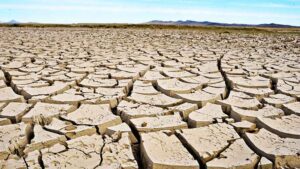
Approximately 60% of the EU and Britain this year are experiencing the effects of drought, which is exacerbated by abnormal heat, the Axios portal reported on Wednesday, citing the European Copernicus Atmospheric Monitoring Service.
“The drought, coupled with high temperatures, is leading to an increase in the risk of fires due to lack of rain and to the appearance of dead wood,” the service said in a statement.
At the same time, EU countries such as France, Spain, Italy and the Netherlands are facing water shortages. Such conditions have a negative impact on agriculture, energy and river navigation.
The UK’s main weather service said the south and east of England experienced their hottest July on record. Meteorologists expect the dry weather to last until October.
Employees of the Atmospheric Monitoring Service earlier, after analyzing data for the end of July, found that by the middle of the month up to 45% of the EU was in the drought zone, and 15% had a serious water shortage.
Also in July, service specialists predicted that dry weather conditions in the region would continue in August and September.
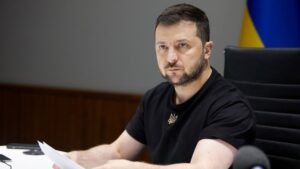
President of Ukraine Volodymyr Zelensky thanked the UK for expanding the sanctions list against Russian citizens and businesses for their involvement in the war in Ukraine.
“Today it became known that the UK has expanded the sanctions list against Russia, adding dozens of people and organizations. This is the right trend. I am grateful to the UK for its unwavering firmness in sanctions issues. This is an example that should be inherited by everyone else in the Western community,” he said in a video statement.
Germany will send 50 Gepard anti-aircraft systems to Ukraine, Canada 8 armored vehicles, Britain additional anti-aircraft systems, US Secretary of Defense Lloyd Austin said.
“I want to especially welcome Germany’s significant decision as Minister Lambrecht announced today that Germany will send 50 Gepard anti-aircraft systems to Ukraine. Yesterday, the British government announced that it would also provide additional anti-aircraft systems to Ukraine. Canada today announced that it would send 8 armored vehicles to Ukraine. This is important progress, we see more every day,” Austin said at a press conference following a meeting of defense ministers from more than 40 countries regarding Ukraine’s current and future defense needs at Ramstein Air Base in Germany on Tuesday.
All tariffs on goods coming to Britain from Ukraine under an existing free trade deal will be axed to help the Ukrainian economy, the British government announced on Monday.
London said tariffs would be reduced to zero and all quotas removed following a direct request from Ukraine’s President Volodymyr Zelenskiy, saying the move would provide a boost for Ukrainian businesses involved in key exports such as barley, honey, tinned tomatoes and poultry.
“We stand unwaveringly with Ukraine in this ongoing fight and will work to ensure Ukraine survives and thrives as a free and sovereign nation,” said British International Trade Secretary Anne-Marie Trevelyan.
Britain said currently the average tariff on Ukrainian imports was about 22%. It said the planned change had been offered on a non-reciprocal basis, but Kyiv was likely to match the British action
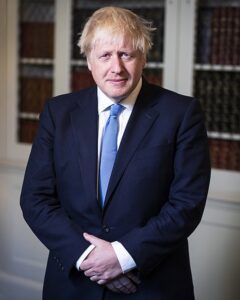
The growth in the volume of bilateral trade between Ukraine and the UK thanks to the free trade agreement has increased by 60% over two years, President of Ukraine Volodymyr Zelensky said during a briefing with British Prime Minister Boris Johnson for media representatives.
The President noted that the Agreement on Political Cooperation, Free Trade and Strategic Partnership signed the year before last is working successfully, which is proved by a 60% increase in bilateral trade between Ukraine and the United Kingdom.
He also added that the parties agreed to start negotiations on further trade liberalization.



