
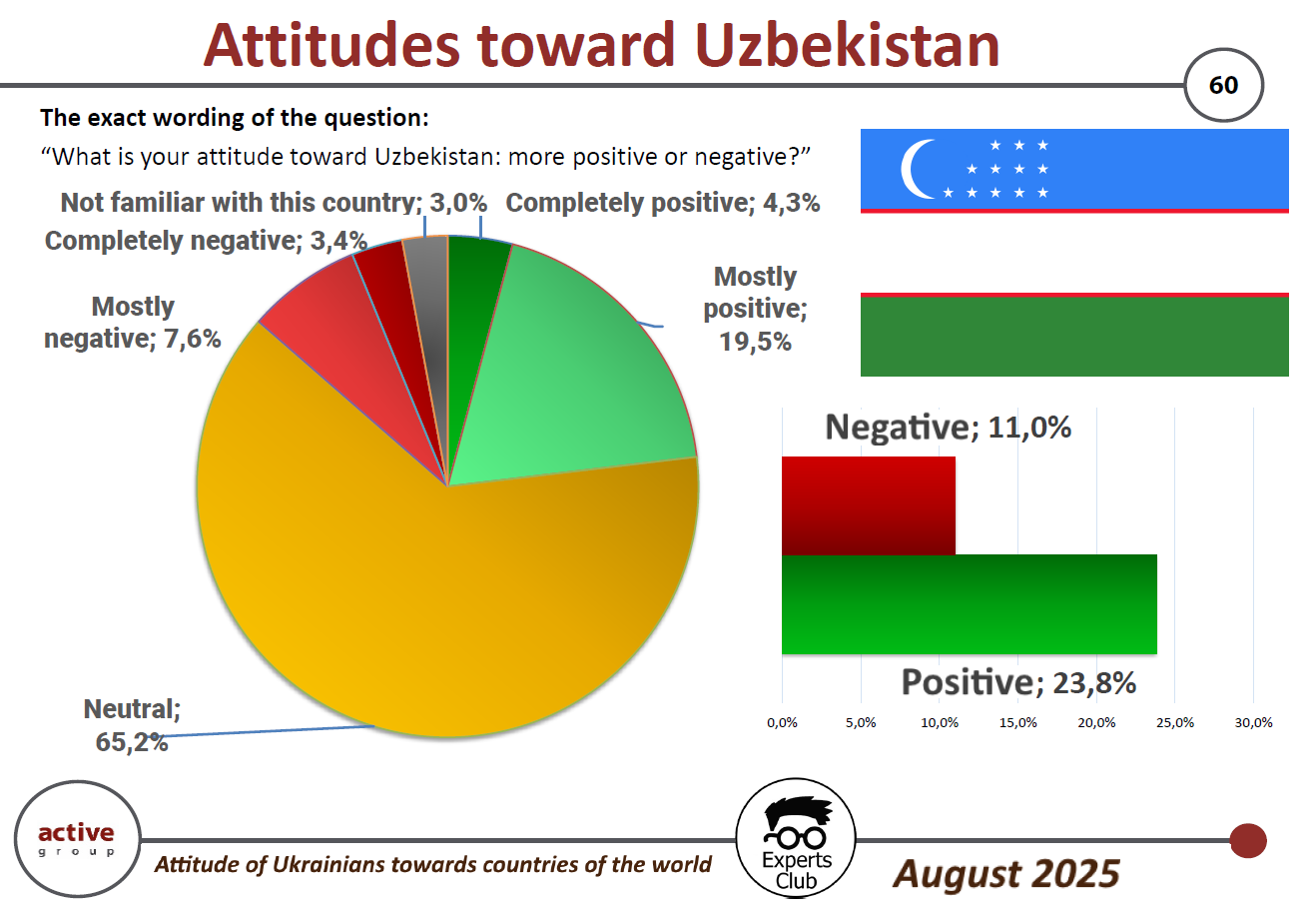
Most Ukrainians express a neutral attitude toward Uzbekistan. This is evidenced by the results of a survey conducted by Active Group in collaboration with Experts Club in August 2025.
According to the results, 65.2% of respondents said they had a neutral attitude towards the country. 23.8% of Ukrainians have a positive attitude (4.3% — completely positive, 19.5% — mostly positive). A negative attitude was expressed by 11.0% of respondents (3.4% — completely negative, 7.6% — mostly negative), while another 3.0% admitted that they were almost unfamiliar with this country.
“Ukrainians do not yet have a clearly formed opinion about Uzbekistan. This is due to the country’s low level of information presence in the Ukrainian media space. The neutral position of the majority leaves room for the development of both political and economic relations,” explained Active Group Director Oleksandr Pozniy.
Experts Club co-founder Maksym Urakyn emphasized the economic aspect:
“In 2025, trade turnover between Ukraine and Uzbekistan reached $165 million. Ukraine exported goods worth $95.4 million, while imports amounted to $69.6 million, resulting in a positive balance of $25.8 million. This indicates the potential for expanding cooperation, particularly in the agro-industrial sector and mechanical engineering,” he said.
The survey was part of a large-scale study by Active Group and Experts Club on Ukrainians’ attitudes toward different countries around the world.
ACTIVE GROUP, EXPERTS CLUB, international relations, Pozniy, SOCIOLOGY, TRADE, UKRAINE, URAKIN, UZBEKISTAN
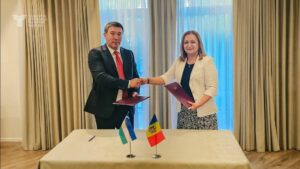
A meeting of the joint Uzbek-Moldovan Commission on Road Transport was held in Kyzylanav.
The delegations of the Ministry of Transport of Uzbekistan and the Ministry of Transport and Road Infrastructure of Moldova discussed the development of international road freight transportation and the creation of additional conditions for national carriers.
Following the meeting, a protocol was signed amending existing agreements. The document stipulates that starting from the beginning of 2026, bilateral and transit cargo transportation between the two countries will be carried out under a non-permitted system.
The agreement will create new opportunities for national carriers, simplify the transportation of goods to Europe and strengthen Uzbekistan’s export chains.

Starting in November 2025, Uzbekistan will launch the Heritage Hotels of Uzbekistan program, which will allow businesspeople to take long-term leases on cultural heritage sites. They will restore the buildings and create boutique hotels in them.
The transfer of sites is planned under a public-private partnership. Restoration will be carried out using public and private funds.
It is noted that the state will help promote boutique hotels and create a number of benefits for program participants. In particular, they will receive preferences on income, land, and property taxes, as well as customs duties.
According to the document, some facilities will be open at night, with new 24-hour tourist streets featuring entertainment and service establishments. To this end, the Cabinet of Ministers will prepare a project for the development of territories to stimulate the “night” economy.
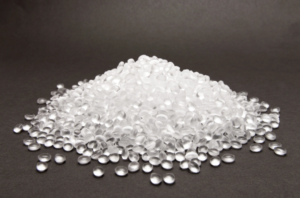
Uzbekistan has abolished excise duties on imports of polyethylene granules and customs duties on primary forms of ethylene and propylene polymers. This is provided for by a decree of the President of Uzbekistan dated August 18 this year to support domestic manufacturers of high value-added ethylene and propylene polymer products.
According to the document, from September 1, 2025, to January 1, 2028, there will be a zero excise tax rate on polyethylene granules (currently 10%) that are not produced in the country and are imported according to an approved list.
Until 2028, import duties on certain primary forms of ethylene and propylene polymers (HS codes 3901 10 900 0, 3901 30, 3901 40, 3902 10 000 0), which currently stand at 5%.
At the same time, the Customs Committee and the Uzbek Agency for Technical Regulation, based on the ex officio principle, must take measures against the import of low-quality and counterfeit flexible packaging — polyethylene and polypropylene films, non-woven materials, bags, big bags, and other products.
customs duty, EXCISE DUTY, IMPORT, polymer raw materials, UZBEKISTAN
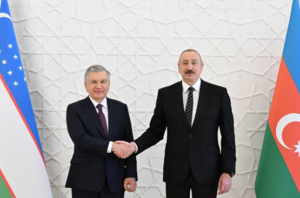
Azerbaijan’s state oil company SOCAR has begun developing an oil field in Uzbekistan. This was announced by Azerbaijani President Ilham Aliyev on August 22 at a trilateral meeting with the President of Uzbekistan and the Chairman of the Halk Maslahaty of Turkmenistan in Turkmenbashi.
“We have traditional energy cooperation with Turkmenistan. We have already entered this field with Uzbekistan. Our state oil company SOCAR has already begun developing an oil field in Uzbekistan, and the contract has already been signed,“ Aliyev said.
According to him, Azerbaijan expects to receive ”good news” about the results of the work within the next year or two. “We are all eagerly awaiting news about the discovery of a large oil field in Uzbekistan,” he said.
On July 24, Uzbekistan and the Azerbaijani state-owned company SOCAR signed a production sharing agreement (PSA) for the Ustyurt Plateau.
Investments in the project are estimated at $2 billion. Over the next five years, SOCAR, which is the project operator, will conduct 3D seismic surveys covering an area of at least 1,000 square kilometers and drill at least one exploration well. If a commercial field is discovered, the parties will proceed with its development. Reserves are estimated at up to 100 million tons of oil and 35 billion cubic meters of gas.

Ukrainian fintech startup Fintech Farm (co-founded by former PrivatBank top manager Dmytro Dubilet) has entered the Uzbekistan market with a new digital bank, Tezbank, created in partnership with local Hamkorbank.
This is the company’s fifth market, according to AIN.UA.
According to local media reports, Tezbank operates entirely online (without branches), offering mobile banking, cashback, and credit products; Hamkorbank is its licensing and back-office partner.
Context. Prior to Uzbekistan, Fintech Farm launched neobanks in Azerbaijan (Leobank), Kyrgyzstan (Simbank), India (Roarbank), and Vietnam (Liobank); the company previously closed a project in Nigeria. The startup declares plans to enter 2-3 new markets each year, considering Southeast and Central Asia and Morocco.
Fintech Farm was founded in 2020 by Dmitry Dubilet, Alexander Vityaz, and Nikolay Bezkrovny as a “serial producer” of neobanks on a single technology platform. In 2024, the company raised $32 million in investments (a round involving Bank of Georgia) for international expansion.
According to AIN.UA, Fintech Farm’s total customer base exceeds 2.5 million users; the company’s value at the beginning of 2024 is $100+ million.



