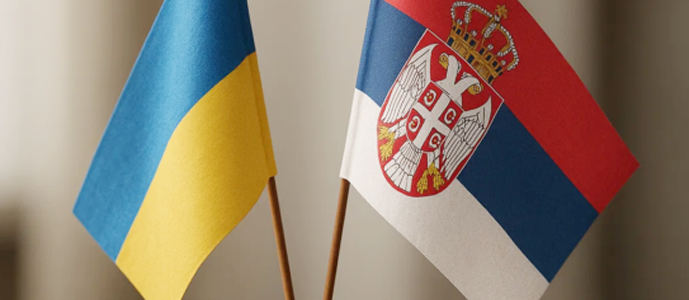
According to the “Serbian Economist,” Serbia’s lack of progress in its EU accession negotiations could create additional challenges for Ukraine and Moldova, as some EU countries are insisting on maintaining a geographical balance between candidates from Eastern Europe and the Western Balkans.
Euronews reports this, citing EU diplomats.
Ukraine has opened two of the six negotiation clusters in recent weeks, but further acceleration of the process may face demands to simultaneously advance Serbia’s application.
“Progress in one direction creates pressure to move forward in the other as well,” one European diplomat told Euronews.
In early July, the European Commission once again recommended opening Cluster 3—dedicated to competitiveness and inclusive growth—for Serbia. Negotiations regarding Serbia have effectively remained stalled since December 2021.
However, eight EU member states opposed opening the chapter: the Netherlands, Sweden, Finland, Belgium, Estonia, Lithuania, Bulgaria, and Croatia. Denmark, Luxembourg, and Latvia are also not yet ready to support this decision. The consent of all 27 EU member states is required to open a negotiation chapter.
Opponents of Serbia’s advancement point to Belgrade’s insufficient progress in the areas of the rule of law, judicial independence, and democratic standards. Another reason is Serbia’s refusal to join the EU’s sanctions against Russia.
The European Commission, on the other hand, believes that Belgrade has implemented some of the recommendations, repealed controversial changes to judicial legislation, improved cooperation with the EU on foreign policy, and strengthened ties with Ukraine. At the same time, Brussels acknowledges that Serbia needs to continue reforming its judicial and prosecutorial systems.
France, Spain, and a group of countries calling themselves the “Friends of the Western Balkans” advocate for preserving Serbia’s membership prospects. They fear that Ukraine’s rapid progress against the backdrop of Belgrade’s prolonged stagnation will be perceived as the application of double standards.
Euronews emphasizes that the negotiation processes for Ukraine and Serbia have not yet been formally merged. However, as Kyiv and Chisinau push to open the remaining clusters by the end of the year, demands for equal treatment of the candidate countries may intensify.