The “Ukrmetallurgprom” Association of Enterprises (AE) advocates for the withdrawal of the draft order by JSC “Ukrzaliznytsia” (“UZ”) to increase freight rail tariffs by an additional 15% starting January 1, 2027, and for the introduction of preferential tariffs for frontline regions.
According to the statement, “Ukrmetallurgprom” also believes that the state should compensate for losses incurred by commuter rail services; “Ukrzaliznytsia” needs state and targeted international financial support during times of war-related shocks—its problems cannot once again be shifted onto those who are still keeping the economy afloat.
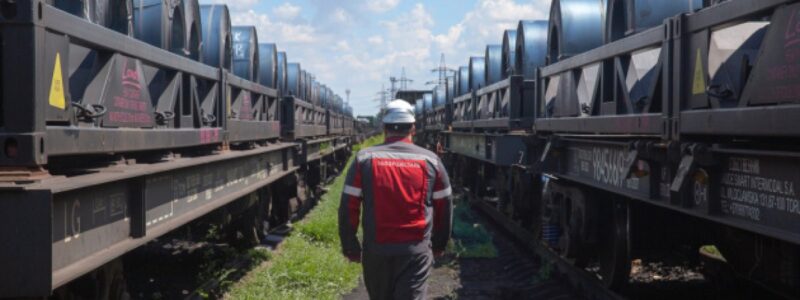
At the same time, it is noted that on November 20 of this year, the Ministry of Development published yet another draft order to increase Ukrzaliznytsia’s freight rates by an additional 15% starting January 1, 2027. At the same time, in the first half of 2026, when the market was stable and the ports were operational, transporting ore by rail in Ukraine cost 30% more than in EU countries with seaports. Despite this, as of August 1, 2026, rates were raised by another 30%.
“Now it’s time for another 15% increase. In total, that’s nearly a 50% increase in less than half a year. And this is for an industry operating under rocket attacks and with blocked ports. The enemy is striking our plants with rockets, while our own officials are finishing them off with these tariffs,” the statement reads.
“Ukrmetallurgprom” suggests taking a look at the figures from “UZ.”
“For 2026, it had planned to transport 160 million metric tons, but today it expects only 130 million metric tons. Against this backdrop, ”UZ” is proposing a 15% increase and projecting 108 million metric tons for 2027. In other words, they’re raising the rate while knowing full well that freight volumes will drop even further—does anyone really believe this is how to save the railroad?” asks the association, which believes that UZ’s main problem lies not in the rate but in the catastrophic decline in volumes.
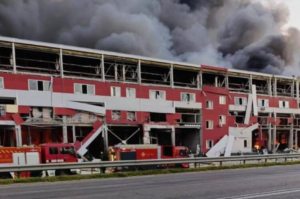
Meanwhile, the mining and metallurgical sector ended 2025 with a net loss of 28 billion hryvnias, and a loss of 50 billion hryvnias is expected for 2026. Key enterprises in the industry have been shut down following missile strikes, and ore mining and processing plants are shutting down due to economic factors, particularly the high cost of logistics.
“A plant that isn’t operating won’t pay ‘UZ’ a single hryvnia in tariffs. And no one will resume production where it makes no economic sense to do so. Raising tariffs for plants that have been shut down following missile strikes means billing empty workshops,” according to Ukrmetallurgprom.
The second problem facing “UZ,” in their view, is over 12 billion hryvnias in uncovered losses from commuter transportation. This is a social function of the state, and it should be financed by the budget, not by metallurgists, farmers, and builders through freight tariffs, the association of enterprises insists.
“At the very least, the relevant ministry that issued this order should have assessed the situation, and here the minister bears personal responsibility for the stalled sectors of the economy,” they argue.
Earlier, representatives of large enterprises and business associations opposed the planned 15% increase in rail freight rates effective January 1, 2027, and called for a moratorium on rate hikes until the end of martial law in Ukraine.