The Embassy of Ukraine in Albania has recommended that Ukrainian citizens postpone visits to the consular section in Tirana, if possible, due to the deteriorating security situation caused by mass anti-government protests and clashes between demonstrators and police.
According to the official website of the diplomatic mission, protests are taking place, among other locations, near the Ukrainian Embassy, creating additional risks for visitors.
“Due to the deteriorating security situation during protests in the city of Tirana and near the Embassy of Ukraine in the Republic of Albania, we recommend taking the current security situation into account when planning a visit to the Embassy’s consular section and, if possible, postponing the visit until the situation stabilizes,” the statement said.
At the same time, the diplomatic mission continues to operate as normal. Ukrainians are advised to observe personal safety measures, avoid places of mass gatherings and monitor announcements from local authorities.
The deterioration of the security situation was caused by a new wave of anti-government protests that began on October 13, 2026, and spread across Tirana and other cities in Albania. Students and young people have been at the center of the protest movement, opposing the high cost of education, unsatisfactory learning conditions, difficulties in finding employment and corruption.
The protest movement had been developing over the preceding months. One of the reasons for the mobilization of activists was disputes surrounding a major tourism investment project on the Albanian coast linked to American investor Jared Kushner, the son-in-law of U.S. President Donald Trump. Environmental organizations and local activists opposed development in protected natural areas, while the government views the development of tourism infrastructure as a source of investment and new jobs.
Subsequently, the protesters’ demands expanded. Demonstrators began demanding the resignation of Prime Minister Edi Rama, measures to combat corruption and reform of the education system. Supporters of the opposition Democratic Party also joined the protests.
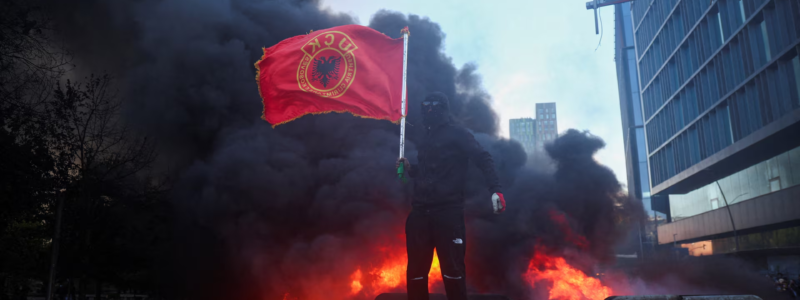
On October 14–15, the protests escalated into large-scale clashes with law enforcement officers. Demonstrators threw stones, used pyrotechnics and set fire to certain administrative and commercial facilities. Police used tear gas and water cannons.
According to Albanian law enforcement authorities, police officers were injured as a result of the unrest, and damage to government institutions, bank branches and private property was recorded. Some protesters were detained.
Prime Minister Edi Rama rejected demands for his resignation and condemned the violent actions. At the same time, he stated that dialogue was necessary regarding the problems that had caused dissatisfaction among young people.
The escalation of the situation has already affected the operation of government institutions and transport services in the Albanian capital. In particular, a scheduled plenary session of parliament was canceled on October 15 due to security risks.
The diplomatic missions of the United States, Italy, the United Kingdom and other European countries also issued warnings to their citizens. The foreign ministries of Bulgaria and Croatia separately recommended that their citizens avoid central areas of Tirana where demonstrations are taking place.
The most tense situation is observed near Skanderbeg Square, Durrës Street, the Ministry of Education and government buildings. Local authorities warn of possible traffic restrictions, street closures and new demonstrations.
For Ukrainians living in Albania or planning trips to Tirana, this means the need to take into account possible transport restrictions and changes in access to government and consular institutions.
Albania is a parliamentary republic and a candidate for accession to the European Union. Prime Minister Edi Rama’s Socialist Party retained power following the 2025 parliamentary elections. Political tensions are unfolding against the backdrop of negotiations on European integration, reform of state institutions and attraction of foreign investment.
ALBANIA, PROTEST, SECURITY, TIRANA, UKRAINE

Related: