
The Veterans Cluster of Ukraine, in collaboration with the “Architecture of Resilience” Veterans Institute at Kyiv National University of Construction and Architecture, continues to support veterans, active-duty military personnel, and their family members as part of the 2026 admissions campaign.
The application period for master’s programs begins on August 7. By that time, applicants must create an online account, register for any applicable benefits, complete a foreign language interview, and pass subject-specific entrance exams.
Program participants can receive tuition-free education in over 50 fields of study and more than 100 academic programs. Funding is available through state compensation programs, grants, scholarships, and employer support programs.
The program also provides opportunities for retraining, professional development, earning a second higher education degree, and admission to master’s or doctoral programs. Veterans are offered full-time, part-time, online, and distance learning options, allowing them to combine their education with work, medical treatment, rehabilitation, or military service.
Throughout their studies, participants can receive psychological support, get involved in projects to rebuild Ukraine, and interact with employers. Program partners include Axor, Barks, and other businesses.
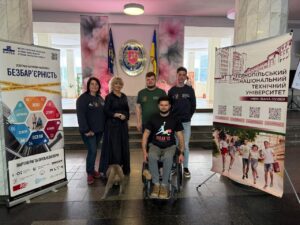
The network of partner universities includes KNUBA, the National University of Physical Education and Sports of Ukraine, the Western Ukrainian National University, the Yuriy Kondratyuk Poltava Polytechnic National University, Vasyl Stefanyk Precarpathian National University, the National University of Life and Environmental Sciences of Ukraine, Drohobych State Pedagogical University, Igor Sikorsky Kyiv Polytechnic Institute, Ivan Pul’uj Ternopil National Technical University, and the University of Educational Management.
The National University of Physical Education and Sports of Ukraine operates a training and rehabilitation center for veterans.
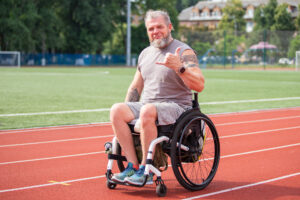
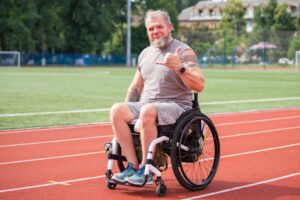
One of the program’s students is veteran Vadym Honcharenko, who is studying at KNUBA to become a coach in adaptive sports. According to him, his choice of major was influenced by his own experience with rehabilitation through sports.
“I want to show people who, due to injuries or disabilities, think that an active life is over for them that this is not the case. A lot depends on us,” Goncharenko noted.
He also advises prospective students to focus on their own needs and choose a major that will be practically useful after graduation.
The Veterans’ Cluster emphasizes that there is not much time left to make a decision, but applicants can still prepare their documents and complete the necessary procedures before the application period begins.
Detailed information is available on the website Veterano.info.
Contact information for consultations:
+38 073 94 96 179
+38 050 22 35 182
+38 067 49 81 098
Artem Goncharenko, Director of the Veterans Institute: +38 073 177 72 73.
Antonina Savchenko, Coordinator of Higher Education and Admissions Programs: +380 63 245 34 05.
admissions, EDUCATION, GONCHARENKO, KNUBA, master’s program, UNIVERSITY, ветеран
In Ukraine, accessibility is increasingly viewed not as a formal requirement for infrastructure, but as a systemic prerequisite for veterans and people with disabilities to return to active life, work, education, and participation in community development.
This is discussed in an article on the Events.org.ua platform dedicated to the All-Ukrainian Accessibility Week, which took place in May 2026.
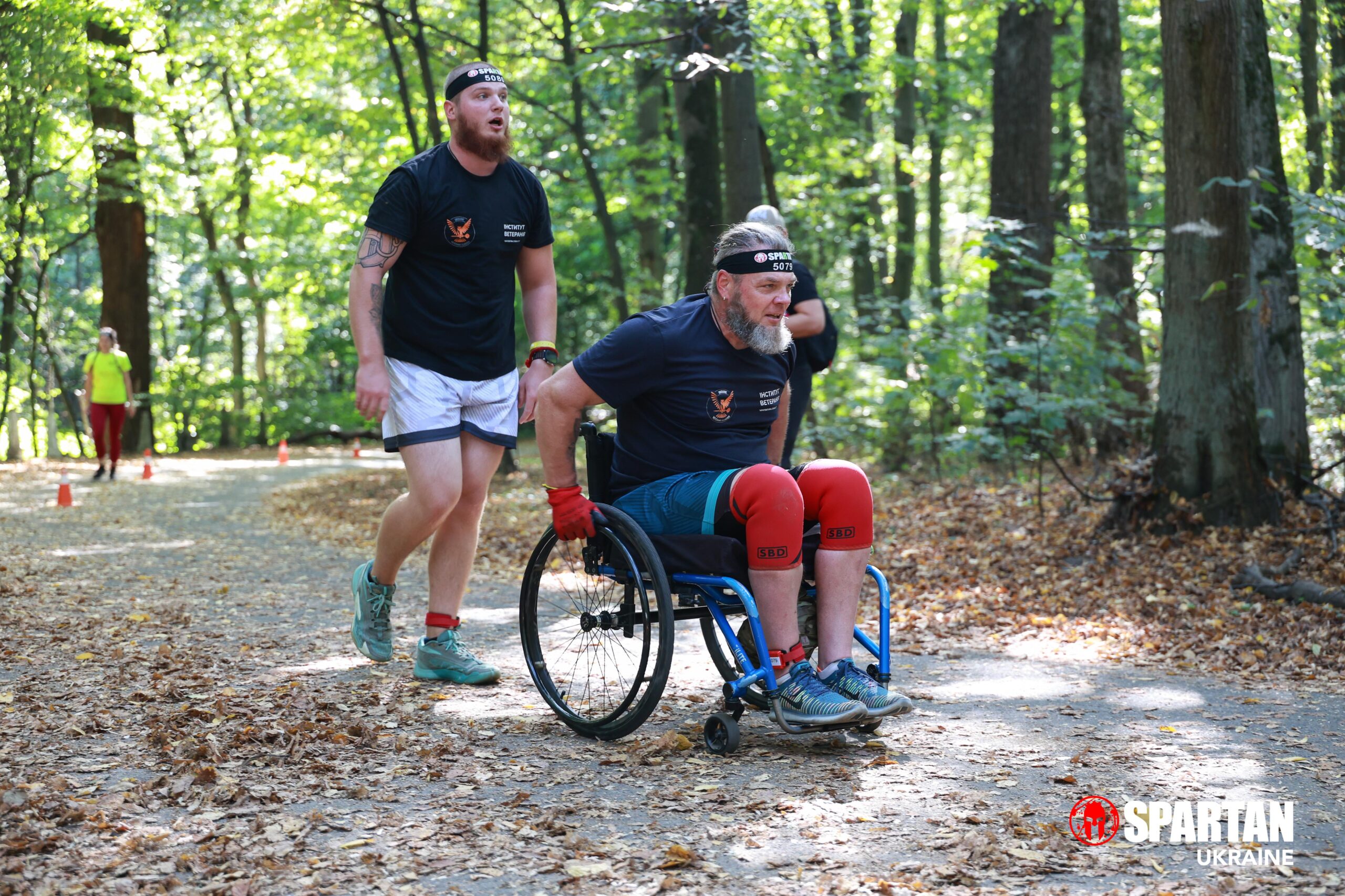
The initiative arose from the personal experience of veteran Vadym Honcharenko, call sign “Kinolog,” who uses a wheelchair after being wounded. His son, Artem Goncharenko, and the project team emphasize that for people with disabilities, barriers include not only obvious obstacles but also dozens of small design choices in urban spaces: stairs with no alternative, dangerous ramps, curbs, narrow doors, a lack of elevators, or improperly designed tactile paving.
According to the organizers, it is precisely this experience that shows accessibility cannot be achieved through a “trial-and-error” approach by people with disabilities themselves. Every flawed architectural or service-related decision can pose a risk of falls, injuries, additional pain, or complications for them.
As part of the All-Ukrainian Accessibility Week, the focus was not on declarations but on practical actions. The initiative was joined by Kyiv National University of Construction and Architecture, Igor Sikorsky Kyiv Polytechnic Institute, Ivan Pul’uj Ternopil National Technical University, National University of Life and Environmental Sciences of Ukraine, the National University of Physical Education and Sports of Ukraine, the Drohobych National Pedagogical University, the Kyiv City Employment Service, the KNUBA Institute for Veterans, the Veterans Cluster of Ukraine, the Agency for the Reconstruction of Ukraine, business partners, and civil society organizations.
In May and June, a training course titled “Rights of People with Disabilities” also began; the organizers stated that its goal was not only to raise awareness but also to change approaches to decision-making. The program emphasized non-discriminatory procedures, appropriate communication, and a practical understanding of the needs of people with disabilities.
A separate module was dedicated to assessing the accessibility of urban spaces. On May 26, in the Teremky-2 neighborhood, participants, together with people in wheelchairs, followed actual routes to identify where formal accessibility measures were failing and which solutions required immediate change. Based on the results of this work, preliminary design solutions for KNUBA and NUFVSU were developed in collaboration with the Mlyn group of companies and the Shaw architectural firm.
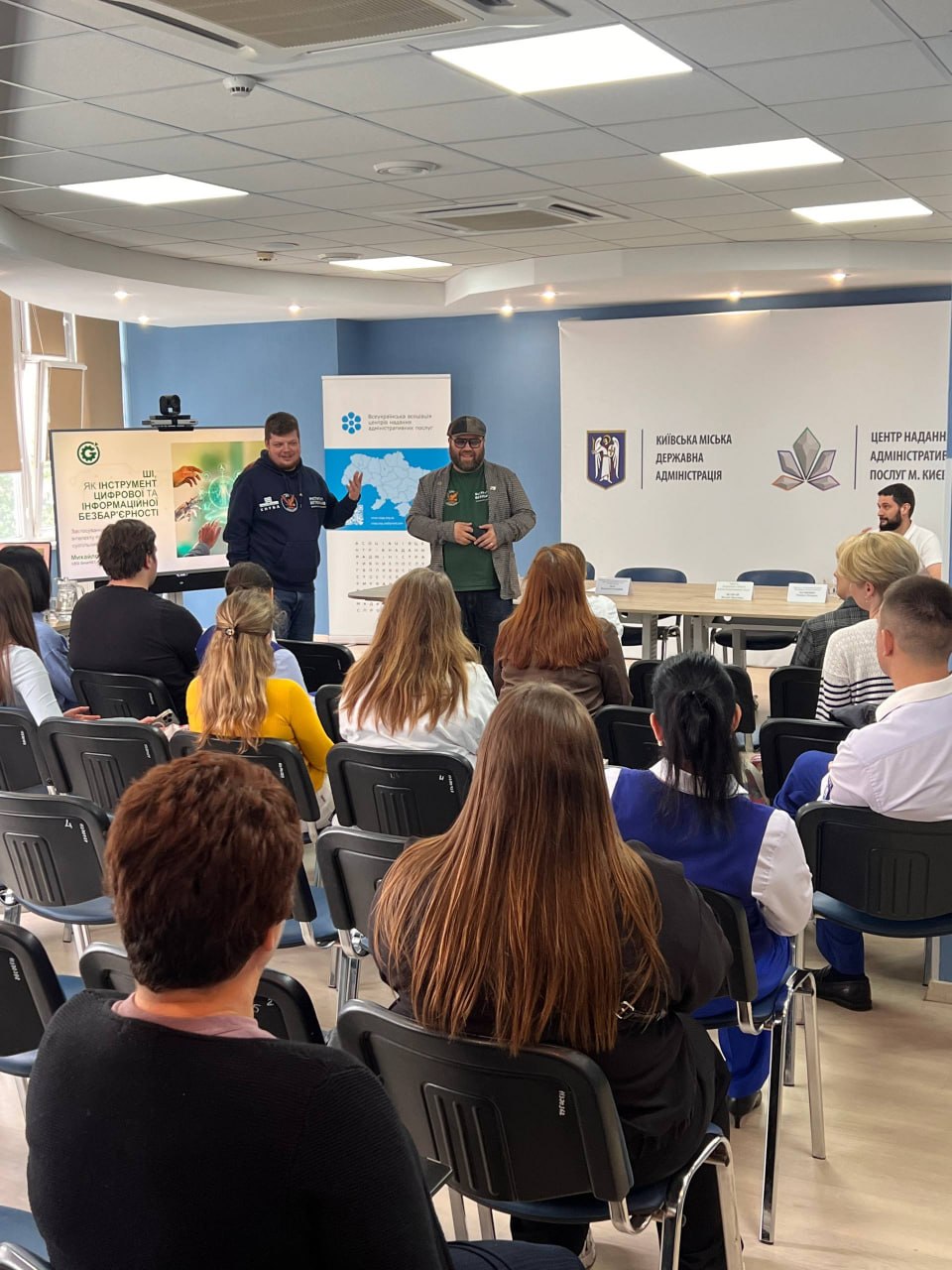
Another area of focus was the topic of Smart City. The organizers emphasize that a smart city without accessibility becomes a service available only to a portion of its residents. Therefore, digital solutions, navigation, transportation, and urban services must be designed with the needs of veterans, people with disabilities, older adults, parents with children, and other population groups in mind.
A separate training session was held for employees of Kyiv’s Administrative Service Centers (ASC) on working with veterans and people with disabilities, crisis communication, and the use of AI tools in service delivery. The organizers also identified the following training areas: safety and first aid.
Neurologist Denys Boichuk led practical training sessions on first aid and how to respond to epileptic seizures. Participants in the initiative emphasize that accessibility applies not only to physical spaces but also to people’s readiness to act appropriately in critical situations.
According to the organizers, Ukraine already possesses the expertise, partnerships, and practical experience needed to develop an accessible environment; however, such efforts cannot be limited to isolated events. They must become an integral part of daily decision-making in the areas of management, education, architecture, and services.
The article also notes that the “Architecture of Resilience” Veterans Institute at KNUBA and the Veterans Cluster of Ukraine continue to develop educational opportunities for veterans, defenders, and their family members. These include training, retraining, courses, second higher education, master’s programs, doctoral studies, psychological support, rehabilitation, and participation in projects aimed at Ukraine’s recovery.
Partner universities in the initiative include KNUBA, the National University of Physical Education and Sports of Ukraine, the Western Ukrainian National University, Poltava Polytechnic, the Precarpathian National University, NUBiP, the Drohobych Pedagogical University, Igor Sikorsky Kyiv Polytechnic Institute, Ivan Pul’uj Ternopil National Technical University, and the University of Educational Management.
The organizers emphasize that “tuition-free education” refers to participation in state compensation programs, grants, scholarships, and support from employers. Admissions take place during the standard dates of the main admissions campaign.
The All-Ukrainian Accessibility Week demonstrated that, for post-war Ukraine, accessibility should not be a separate social initiative, but rather an integral part of economic recovery, the labor market, education, urban planning, and service policy. Given the number of veterans and people returning to civilian life after injuries, such decisions will have a direct impact on employment, quality of life, and communities’ capacity for recovery.
accessibility, BARRIER-FREE, disability, GONCHARENKO, RECOVERY, ветеран
The Institute for Veterans at Kyiv National University of Construction and Architecture hosted Ukraine’s first Open Discussion Day with veterans and their families, dedicated to education, retraining, social adaptation, mental rehabilitation, and employment for veterans.
The event took place at the KNUCA Culture and Leisure Center in Kyiv as part of an Open House for veterans and their families and brought together veterans, their family members, representatives of the university community, medical professionals, socially responsible businesses, and partner organizations.
“Education and the learning process itself are not just about a diploma. They are an important element of veterans’ social adaptation and mental rehabilitation. The university is a large, new-type ecosystem where a veteran can rediscover themselves, feel the support of the community, acquire new skills, and ultimately find employment and return to an active life,” noted Artem Goncharenko, head of the KNUCA Veterans Institute.
The event was attended by representatives of Kyiv National University of Construction and Architecture, the National University of Physical Education and Sports of Ukraine, the Igor Sikorsky Kyiv Polytechnic Institute, the National University of Life and Environmental Sciences of Ukraine, and other higher education institutions in the capital and regions.
The event was co-organized by the Kyiv City Employment Service, which, according to the organizers, underscores a systematic approach to supporting veterans—from education, psychological, and medical support to professional retraining and subsequent employment.
One of the practical components of the Open Discussion Day was a training session on first aid titled “Don’t Panic. Act Correctly,” led by neurologist and epileptologist Denys Boichuk. Participants discussed how to act before, during, and after an epileptic seizure, what common mistakes can harm a person, and why certain widespread “tips from the internet”—in particular, the myth about “putting a spoon in the mouth”—have no medical basis and can be dangerous.
A separate segment of the training was dedicated to medical checkups for veterans and their families, developing the habit of getting regular health screenings, managing the effects of stress and trauma, and supporting loved ones consistently rather than sporadically.
During the event, a prize drawing was also held, and gifts were presented to participants. The event’s partners were Poparada.ua, Axor Industry, and CosmoMultimall. The organizers note that business participation in such initiatives demonstrates the potential for practical and meaningful collaboration between companies and veterans’ organizations.
According to the organizers, the Open Discussion Day held at the KNUBA Veterans Institute marked the first step toward establishing a permanent ecosystem to support veterans and their families through education, practical knowledge, professional retraining, and cross-sectoral cooperation.
The Veterans Cluster of Ukraine and the KNUBA “Architecture of Resilience” Veterans Institute have already begun accepting applications for educational programs for veterans, defenders, and their children. Participants are offered opportunities to study in over 50 fields and more than 100 educational programs, including retraining, courses, second higher education, master’s and doctoral programs, psychological support and rehabilitation, participation in projects for Ukraine’s recovery, and partnership programs with employers.
Study formats include full-time, part-time, online, and distance learning. The program works with communities across Ukraine and provides personalized support from admission through to employment.
Program details are available on the website: www.Veterano.info.
Contacts for additional information: +38 073 94 96 179, +38 050 22 35 182, +38 067 49 81 098, center@uvc.in.net, veterano@knuba.edu.ua. Head of the KNUBA Veterans Institute Artem Goncharenko: +38 073 177 72 73.
Tuition-free education refers to participation in state compensation programs, grants, scholarships, and support from employers. Admission takes place during the standard admission campaign within the standard timeframe.
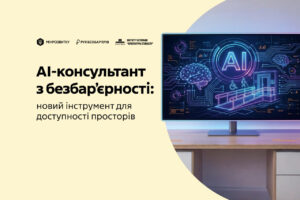
Under a memorandum between the Ministry of Community and Territorial Development of Ukraine and the Kyiv National University of Construction and Architecture, and with the support of the flagship project “Movement Without Barriers,” a team of researchers has developed a pilot AI accessibility consultant in ChatGPT.
The tool helps users quickly obtain basic answers with references to DBN standards, which, in particular, regulate issues of inclusivity and accessibility, as well as advice for specific spaces or situations.
The AI consultant does not replace architects and accessibility experts, but it can serve as a convenient first step to get oriented, verify solutions, or prepare for working with specialists.
“For me, the topic of accessibility isn’t an abstract policy, but a personal story. My dad is a veteran with a disability who uses a wheelchair, and every day I see the barriers he faces. That is why the launch of the AI accessibility consultant is an important step toward making spaces in Ukraine truly accessible, not just ‘on paper.’” — Artem Goncharenko, Accessibility Ambassador at the Ministry of Education and Science
This approach is intended to make the process of creating an accessible environment more systematic, consistent, and understandable for communities, businesses, and everyone who works with public spaces.
The AI consultant is constantly updated with materials and technical data. The project is coordinated by the KNUBA Veterans Institute and the KNUBA Expert Working Group on Accessibility. If you have any questions while using the tool, please contact us at: veterano@knuba.edu.ua.
The materials generated by the AI Consultant are for informational purposes only. It is recommended to verify the information in accordance with current regulations and consult with specialists if necessary.
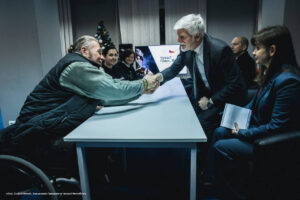
On January 16, 2026, the current President of the Czech Republic, Petr Pavel, visited the NGO “Feel” together with the Ambassador of the Czech Republic to Ukraine, Luboš Veselý, and with the participation of Vasyl Zvarych, Ambassador of Ukraine to the Czech Republic. The visit was aimed at familiarizing them with the practical results of supporting hearing rehabilitation programs for veterans in Ukraine.
The meeting took place in the format of informal communication with veterans — participants in the project “Can you hear? Plus. Plus.”, which is implemented by the NGO “Feel” with the financial support of the Czech Embassy. The project is a systematic program of comprehensive support for veterans and covers hearing aids, rehabilitation, and further support.
During the visit, the President of the Czech Republic spoke with two veterans, Vadym and his son Danylo Goncharenko, who received comprehensive support from the NGO “Vidchuy” as part of the project “Hear? Plus. Plus.” The meeting provided an opportunity to hear directly about their experiences and discuss the importance of hearing rehabilitation as a key factor in returning to a full and active life.
During the visit, special attention was paid to the approach of the public organization “Vidchuy” to comprehensive support for veterans, which combines hearing rehabilitation, individual selection of hearing solutions, and work with families.
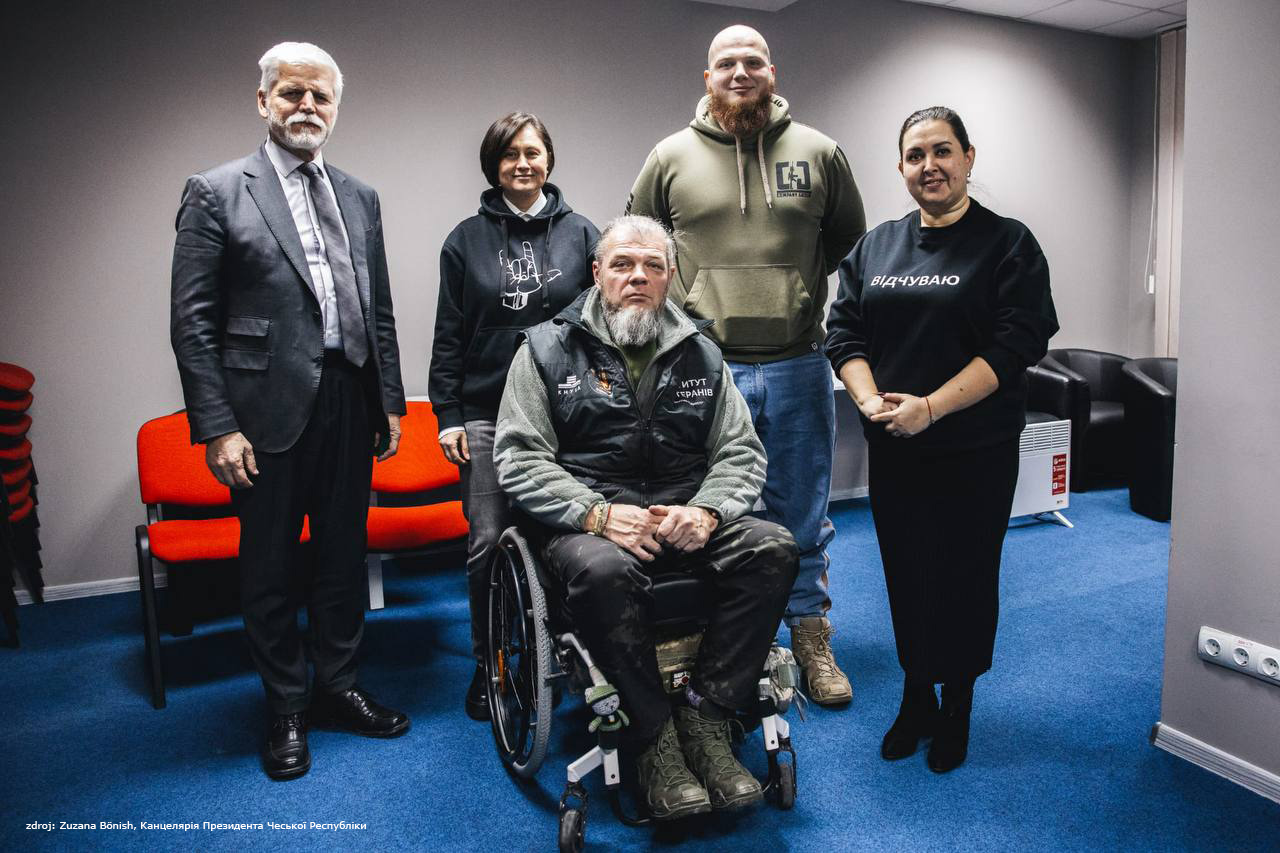
The founder of the NGO “Vidchuy,” Lyudmila Pyshna, and the CEO of the organization, Daria Gerasymchuk, thanked the Czech side for its consistent support of the “Chuyeš? Plus. Plus.” project and noted the importance of international partnership in the development of hearing rehabilitation and recovery programs in Ukraine.
The visit of the President of the Czech Republic confirmed solidarity with Ukraine and a shared vision of the need for long-term support for initiatives aimed at improving the quality of life of veterans.
The public organization “Vidchuy” is a Ukrainian non-profit organization that has been working systematically since 2011 in the field of hearing rehabilitation, support, and socialization of children and adults with hearing impairments, as well as their families.
The organization implements early intervention, hearing rehabilitation, hearing aid fitting, psychosocial support, and educational initiatives aimed at overcoming barriers and stigma against people with hearing impairments. A separate area of work is supporting veterans, in particular, restoring their hearing and accompanying them in the process of returning to active life.
The NGO “Vidchuy” cooperates with state institutions, international organizations, and donors to implement sustainable solutions in the field of rehabilitation and inclusion in Ukraine.
The project “Chuyeš? Plus. Plus.” was implemented by the NGO “Vidchuy” with the support of the Embassy of the Czech Republic in Ukraine.
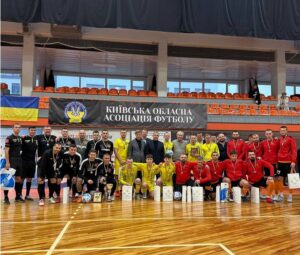
The second annual “Sports and War Veterans (UBD)” competition took place in Kyiv — a large-scale initiative that has already become one of the key events in the field of sports rehabilitation for Ukrainian defenders. The organizers were the National University of Physical Education and Sports of Ukraine and the Training and Rehabilitation Center of the NUPESU, which have been working systematically throughout the year to support veterans and develop an inclusive sports environment.
This year’s series of competitions brought together more than 500 participants who competed in eight disciplines:
swimming, billiards, table tennis, wheelchair rugby, arm wrestling, futsal, and e-sports.
For many veterans, these competitions were not just an opportunity to compete, but a way to return to an active life, feel control over their bodies and emotions, find new friends, and relive the team spirit so familiar from the front lines.
Sport that restores: a project with real impact
The organizers emphasize that sporting events of this scale are not just about physical activity. They are about reintegration, social support, overcoming barriers, and returning to a normal rhythm of life.
Acting Rector of the National University of Physical Education and Sports of Ukraine Oleksandr Pyzhov emphasizes the importance of consistency and involvement:
“We see how sport helps veterans not only to recover physically, but also to find support in the team, to feel support and confidence. This project is about unity, strength, and the path to new opportunities.”
According to experts, sporting events are the most effective way to help veterans adapt to civilian life after long periods of service. Here, they find themselves among people with similar experiences, where they are understood without explanations or conventions.
An environment of strength and support
The NUFVSU Training and Rehabilitation Center is actively developing the field of rehabilitation and social adaptation of veterans. According to the center’s director, Viktor Korzh, such projects become a point of support for many participants:
“Every day, we work to ensure that our veterans receive the best opportunities for rehabilitation. These competitions are proof that through joint efforts, we are creating an environment where every soldier can feel their own strength and find a new path for development.”
Participation in such events often becomes a bridge between the past and the future for veterans — a moment when they return to activity, feel their strength, and receive inspiration to move forward.
Participants’ voices: sport that gives new life
The impressions of the veterans are the best evidence of the project’s significance.
One of the participants, Danylo Honcharenko, shares his feelings:
“I haven’t felt such drive and support in a long time. Here you realize that you are not alone — there are others who have walked a similar path. Sport restores your strength and desire to move forward.”
Similar comments were often heard from participants in various disciplines. For many of them, the competition was their first experience of serious sporting activity since returning from the war.
Development and future: the project is scaling up
The organizers say that the competition cycle will not only continue but also expand.
The plans include increasing the number of disciplines, involving new cities and regions, and creating additional programs for the comprehensive rehabilitation of veterans through sports.
The NUFVSU team emphasizes that veteran rehabilitation is not a one-time event, but a long-term process that requires systematic, professional, and humane support. And it is precisely such competitions that prove that sport can be not only recreation or leisure, but also a real tool for returning to life.
Special thanks to the partners who joined in organizing these competitions: the Ukrainian Veterans Cluster, the Veterans Institute “Architecture of Sustainability,” the Ukrainian Mass Sports Agency, the “Olympic Style” fitness center, Morshynska, the Ukrainian National Opera, Aksor, Mil Time, the Dynamo Ukraine Physical Culture and Sports Society, Trident, Asino Farm, and Kusum Farm.
COMPETITION, GONCHARENKO, SPORTS, war veterans, Корж, Пижов, УБД



