

The state-owned enterprise “Medical Procurements of Ukraine” (MPU) purchased medical supplies worth nearly 8.2 billion hryvnias over the first eight months of 2026, which accounts for 83% of the medical supplies designated for procurement this year.
As reported by MZU in a press release, as of early September, the largest portion of funds was allocated to the procurement of drugs and medical devices for the treatment and care of patients, specifically: medications for children and adults with cancer—184 items totaling 2 billion hryvnias; innovative medicines procured through managed access agreements (MAA)—32 items totaling 1.9 billion hryvnias, medications and medical devices for the treatment of cardiovascular diseases—105 items totaling 1.1 billion UAH; medical devices to support blood donation—122 items totaling 817.9 million UAH; and medications for children and adults with hemophilia—29 items totaling 541.7 million UAH.
In total, in 2026, the Ministry of Health is set to procure 813 items, including those purchased with funds from donors via the UNITED24 fundraising platform. Over the past 8 months, the Ministry of Health has delivered 760 items of medicines and medical devices to the regions, purchased with funds from this year’s and last year’s budgets.
In addition, the Ministry of Health reports that from January through August, hospitals purchased nearly 21.1 billion UAH worth of medical supplies through the Prozorro Market electronic catalog—the medical section of which has been administered by the Ministry since 2019—which is 30.2% more than during the same period in 2025.
The average savings over the first eight months of 2026 for purchases made through Prozorro Market amounted to 12.77% of the expected procurement cost, and in total, buyers saved 3.1 billion UAH.
During January–August 2026, 2,633 contracting entities purchased medical supplies through Prozorro Market, and 1,530 qualified suppliers submitted their offers in the catalog.
HOSPITAL, MEDICINE, Ministry of Health, PROCUREMENT, Prozorro Market

Children with mental disorders who require inpatient care in Ukraine should be treated in regional or city children’s hospitals, rather than in general psychiatric facilities, said Yevhen Gonchar, Ukraine’s Deputy Minister of Health, in an exclusive interview with the Interfax-Ukraine news agency.
According to him, the legislation was amended after cases were uncovered in which children from residential care facilities were referred to psychiatric hospitals—in particular, under the guise of treatment or rehabilitation, or in fact to influence their behavior.
Such cases were documented in reports by the Verkhovna Rada Commissioner for Human Rights and law enforcement agencies.
Gonchar emphasized that a psychiatric hospital should not be used as a tool for correcting a child’s behavior.
Adult patients with dementia who have been in psychiatric facilities for a long time, primarily for social rather than medical reasons, remain a separate issue.
Stable patients with dementia who do not require treatment for acute episodes, according to the deputy minister, should receive social care—specifically in supported living facilities or other specialized institutions—rather than permanently occupying beds in psychiatric hospitals.

The introduction of uniform hospitalization criteria in Ukraine does not mean an automatic reduction in the hospital network; however, complex medical procedures will increasingly be concentrated in facilities capable of ensuring the necessary level of safety, said Yevhen Honchar, Ukraine’s Deputy Minister of Health, in an exclusive interview with Interfax-Ukraine.
According to him, in most communities where hospitals currently operate, medical care facilities should remain. The key issue is the range of services that a specific facility is capable of providing safely.
A small hospital does not necessarily need to perform surgical procedures or deliver babies if it lacks a sufficient number of specialists and the necessary infrastructure.
In particular, safe round-the-clock monitoring of surgical patients requires several anesthesiologists, whereas small facilities sometimes have only one surgeon and one anesthesiologist on staff.
At the same time, basic services—family medicine, consultations with a cardiologist, an obstetrician-gynecologist, and other specialists—must remain as geographically accessible as possible.
Thus, the development of the hospital network will proceed simultaneously in two directions: the concentration of specialized care and the preservation of a broad network of basic medical services.
HOSPITAL, HOSPITALIZATION, MEDICINE, Ministry of Health, REFORM
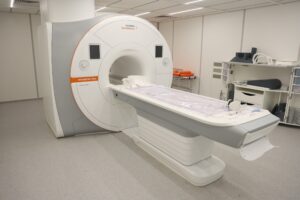
In 2025, Ukrainian hospitals received 16 magnetic resonance imaging (MRI) machines and six linear accelerators, according to the Ministry of Health.
The Ministry of Health also reports that, with the support of donors to the UNITED24 platform, 30 armored vehicles for evacuating the wounded, seven ambulances, 11 digital X-ray diagnostic systems, and 50 incubators for newborns were purchased.
In addition, last year hospitals received highly specialized equipment for resuscitation, hearing aids, dialysis, and life support for patients, including systems for lung ventilation, blood circulation support, blood and water purification, and other critical equipment.
For the first time, equipment was purchased to establish nuclear medicine centers in Kyiv and Lviv. Also in 2025, 20 1.5 Tesla MRI machines, 26 digital X-ray systems were purchased within the Ukraine Facility, as well as nine items of important equipment for the Heart Institute of the Ministry of Health of Ukraine.
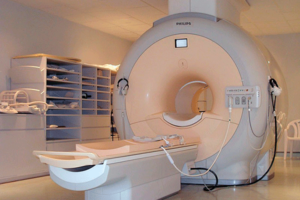
Three medical institutions in Kyiv, Kropyvnytskyi, and Zaporizhzhia received new 1.5 Tesla magnetic resonance imaging (MRI) machines purchased by the state-owned enterprise Medical Procurements of Ukraine (MPU).
According to a press release from MZU, the GE Healthcare Signa Champion MRI machines were received by the Institute of Traumatology and Orthopedics of the National Academy of Medical Sciences of Ukraine in Kyiv, the City Emergency Hospital in Kropyvnytskyi, and the City Emergency and Ambulance Hospital in Zaporizhzhia.
“The purchased models provide high-quality imaging without the use of ionizing radiation and are designed for detailed examination of the central nervous system, cardiovascular system, abdominal and pelvic organs, musculoskeletal system, as well as for the detection of oncological changes,” the Ministry of Health reports.
The devices were purchased by order of the Ministry of Health of Ukraine in 2024. These three MRI machines are the final deliveries of this equipment from the batch purchased under the 2024 budget.
In total, in 2023-2024, the Ministry of Health purchased 33 MRI machines with a magnetic field strength of 1.5 and 3 Tesla. In 2025, the Ministry of Health purchased 20 such devices with a power of 1.5 Tesla with funds from the European Union within the framework of the Ukraine Facility program.
HOSPITAL, Kropyvnytskyi, Ministry of Health, MRI, Zaporizhzhia

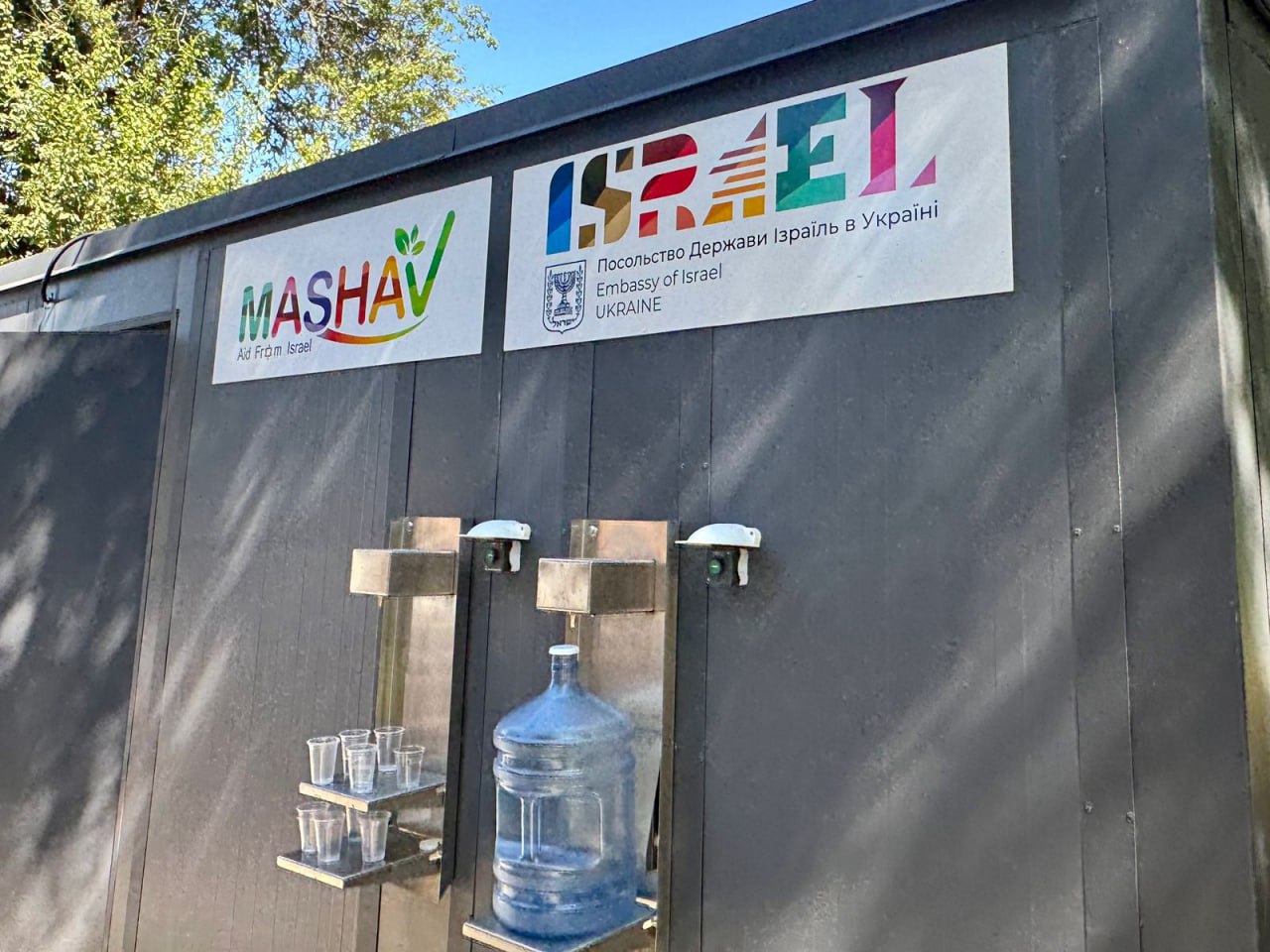
On September 3, during his visit to Uman, Michael Brodsky, Ambassador Extraordinary and Plenipotentiary of the State of Israel to Ukraine, visited the Central City Hospital, met with the director of the facility, Ivan Khoptyan, and donated a water purification system for the hospital’s needs.
The ceremony was attended by the mayor of Uman, Iryna Pletnyova.
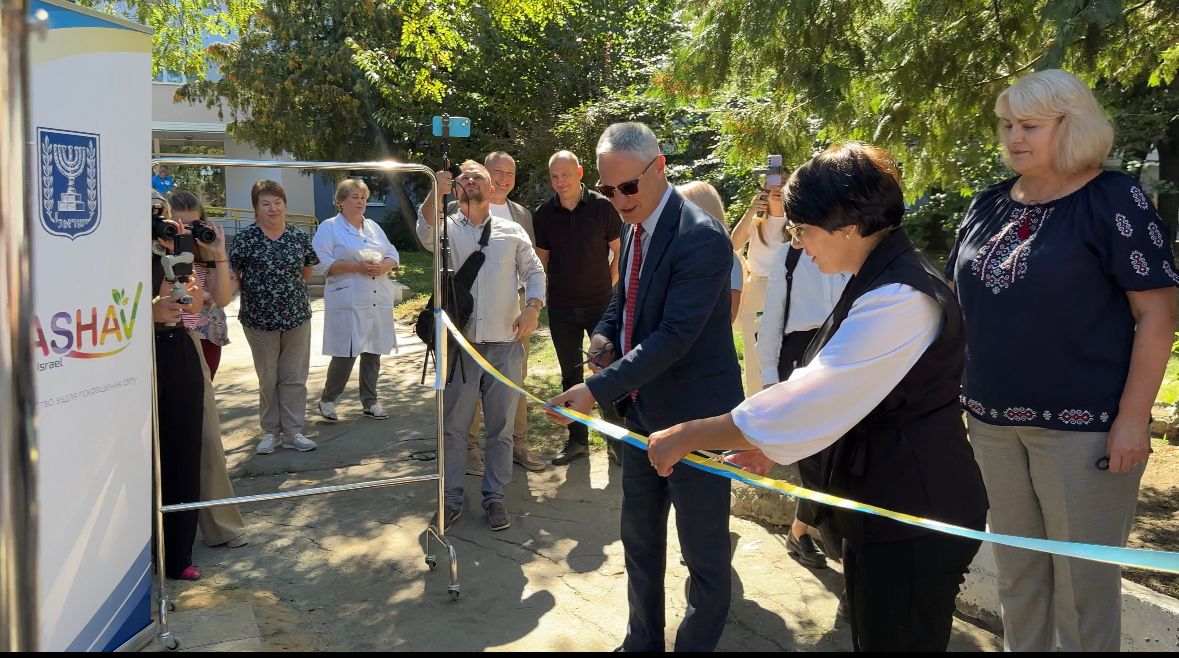
“Israel continues to provide assistance to Ukraine. Following a decision by Israeli Foreign Minister Gideon Saar, several water purification systems will be delivered to Ukraine in the near future. Today, such a system began operating in Uman. Thanks to this, patients at the local hospital and residents of nearby homes will be able to receive high-quality drinking water without interruption,” said Michael Brodsky.
Diplomatic relations between Ukraine and Israel were established on December 26, 1991. The Ukrainian Embassy in Tel Aviv was opened in April 1992. The Israeli Embassy in Kyiv began operating in September 1992.
AMBASSADOR, HOSPITAL, ISRAEL, UMAN, water purification system



