
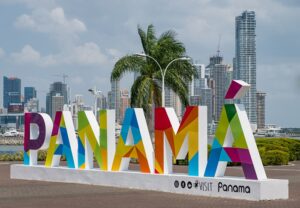
According to Experts.news, the Experts Club think tank analyzed the results of the international Expat Insider 2026 survey, conducted by the InterNations community. Panama, Mexico, and Thailand were named the best countries for expats to live in, while Norway, Germany, and Turkey ranked last.
The survey was conducted from February 1 to March 31, 2026. A total of 7,786 expats representing 162 nationalities participated. The final ranking included 31 countries, each of which received at least 50 completed questionnaires. Participants evaluated up to 53 aspects of life abroad, including work, personal finances, quality of life, living conditions, and ease of social adaptation.
Panama took first place for the third year in a row. About 87% of foreigners living in the country said they were satisfied with their life abroad, while the global average was 70%.
The country ranked first in working conditions and personal finances, second in ease of adaptation and access to essential services, and sixth in quality of life. About 90% of respondents believe their current income is sufficient for a comfortable life, and 76% are satisfied with their financial situation.
Panama also received the highest ratings for housing affordability. Nine out of ten expats reported that it is easy to find housing in the country. 82% of respondents described the visa application process as simple. Retirees make up a significant portion of the expat community—their share reached 37%, and 34% of respondents intend to stay in the country permanently.
Mexico took second place, once again becoming the global leader in ease of social adaptation. About 73% of foreigners said it was easy for them to make friends among locals, compared to a global average of 39%.
However, safety remains a weak point for Mexico. 68% of respondents rated their personal safety positively, compared to a global average of 81%. Despite this, 73% of expats are satisfied with their financial situation, and 38% plan to stay in the country permanently.
Thailand took third place and became the country with the most life-satisfied expats. 86% of respondents reported feeling content, and 42% expect to stay in the country permanently.
Expatriates particularly praised the cost of living, the affordability of rent, and the quality of healthcare. At the same time, Thailand received low ratings for its environmental conditions, digital administrative services, and the ease of opening bank accounts. Only 33% of respondents rated air quality positively, and 80% consider the Thai language difficult to learn.
The top ten in the ranking also included the UAE, Brazil, Spain, Singapore, Portugal, Malaysia, and Luxembourg. The top five countries in the personal finance index are Panama, Thailand, Mexico, Portugal, and Malaysia. In most of the top-ranked countries, expats also rate housing affordability and the attitude of the local population highly.
Norway came in last, at 31st place. Only 46% of foreigners living there are satisfied with their lives, and 72% find it difficult to make friends among the local population. Only 39% of respondents rated their financial situation positively.
At the same time, Norway remains one of the countries with the highest ratings for environmental conditions, air quality, job security, and economic stability. The main challenges for expats were the high cost of living, social isolation, the climate, and limited leisure opportunities.
Germany ranked 30th. About 61% of expats described dealing with the bureaucratic system as difficult. Only 19% rated housing affordability positively, and the same percentage found it easy to find housing.
Germany also ranked last on the index of basic conditions for expats. Survey participants criticized the lack of online access to government services, problems with home internet, and the limited availability of cashless payments. In addition, 57% of expats reported that they found it difficult to make friends among Germans.
Turkey ranked 29th, placing last in terms of working conditions, wages, and economic stability. About 61% of respondents gave a negative assessment of the state of the Turkish economy, and 34% reported an annual income of less than $12,000 before taxes.
Fifty-eight percent of expats are satisfied with life in Turkey, 14% intend to leave the country within the next year, and only 13% plan to stay permanently.
The bottom ten also included Switzerland, Austria, Italy, the Czech Republic, Sweden, Canada, and the United Kingdom. Eight of the ten countries at the bottom of the ranking are in Europe. However, Austria ranked fifth in quality of life, Switzerland eighth, the Czech Republic 13th, and Sweden 15th. This suggests that a low overall ranking is often linked not to infrastructure or safety, but to the high cost of living, bureaucracy, and difficulties with social integration.
According to Maxim Urakin, founder of the Experts Club think tank, the study’s results should not be viewed as a universal ranking of countries’ levels of development.
“The ranking does not show which country is objectively richer or better governed, but rather how easily a specific foreigner can integrate into local daily life. Developed infrastructure and high salaries can go hand in hand with expensive housing, complex bureaucracy, and social exclusivity.
At the same time, less affluent countries may score higher thanks to affordable living costs, simple paperwork, and a welcoming attitude toward newcomers,” Urakin noted.
He added that when choosing a country to move to, it is necessary to analyze immigration laws, the tax system, the labor market, healthcare, education, and real estate prices separately.
InterNations emphasizes that the ranking is based on the subjective satisfaction of respondents, rather than on a comparison of official statistics. It does not take into account a number of important factors, including international taxation and childcare services, and the safety rating reflects respondents’ personal perceptions rather than the actual crime rate.



