
The Ukrainian BALEX Group of Companies is investing over $15 million in the construction of a new production and logistics complex, which will be located within the Bila Tserkva Industrial Park; the groundbreaking ceremony took place on June 18 as part of the “Industrial Evolution: Manufacturing Drives the Economy” forum.
The BALEX Group of Companies is a technology partner to the food industry and Ukraine’s largest integrated manufacturer of compressed yeast, fillers, dry mixes, improvers, confectionery glazes and fillings, plant-based ingredients, and craft beer.
As Stanislav Haidai, CEO of the BALEX Group of Companies, explained at the forum, even during the war, in 2023, the company acquired an unfinished facility and launched production of plant-based cream there. “In the suburbs of Kharkiv, we established one of the most successful enterprises producing this product. And now here (at FOP ‘Bila Tserkva’), we are building new facilities covering 11,000 square meters. There will be three production lines, logistics… We will be the first in Ukraine to produce plant-based cream for export,” he said.
He emphasized that production capacity is also continuing to expand in Kharkiv, and an R&D center has already been launched this year. “Our main driving force—and this may sound cliché—is responsibility, first and foremost, for ourselves, for our people, and for our teams. And it is precisely this that drives business forward, develops the economy, and creates such incredible industrial parks,” said Haidai.
Construction of the BALEX production complex will take place on a 7.8-hectare site within the Bila Tserkva Industrial Park. The project envisages three development phases between 2026 and 2030.
The first phase will include the production of fillings, glazes, and confectionery mixtures, plant-based products, as well as supply chain infrastructure facilities. The total built-up area of the first phase will be 11,378 square meters.
Representatives of state authorities, local government, the business community, and project partners took part in the time capsule ceremony. Among the event’s participants were Mykola Kalashnyk, head of the Kyiv Regional State Administration; Volodymyr Vovkotrub, secretary of the Bila Tserkva City Council and acting mayor; and Vasyl Khmelnytskyi, founder of UNIT. City and the Bila Tserkva Industrial Park, Vasyl Khmelnytskyi; founder of the BALEX Group of Companies, Oleksandr Bandurka; and co-founder and CEO of the BALEX Group of Companies, Stanislav Haidai.
BALEX Company LLC was founded in 1994; its authorized capital is 50.6 million UAH, and its ultimate beneficiaries are Oleksandr Bandurka (49.85%), Iryna Bandurka (28.25%), and Stanislav Haidai (19.73%). BALEX Company’s headquarters and production facilities are located in Kharkiv. The company also has representative offices in Kyiv, Lviv, and Kropyvnytskyi and exports its products to more than 20 countries worldwide.
According to OpenDataBot, the company reported 169.7 million UAH in revenue for 2025, a 27.7% decrease from 2024, with net profit totaling 117.88 million UAH compared to 134.4 million in 2024.
The projects of entrepreneur Vasyl Khmelnytskyi’s holding company UFuture—FOP “Bila Tserkva” and “Bila Tserkva 2”—were included in the Register of Industrial Parks in 2018. The total area of the parks is 70.3 hectares; the area of industrial and warehouse buildings will total 235.4 thousand square meters, with plans to construct 30 facilities. As of 2026, 19 tenants are operating in the park, including both Ukrainian and international companies.
The project is being implemented by the UFuture holding company, with Astrobild LLC serving as the developer. The development strategy calls for attracting over $250 million in investments by 2030.

Farmers in the Odesa region were the first in Ukraine to begin the harvest; specifically, the harvest of winter barley and peas has begun, according to Oleg Kipper, head of the Odesa Regional Military Administration.
“The initial results of the harvest indicate good yields. This allows us to view the prospects for this year’s harvest campaign with optimism,” Kipper noted.
According to his data, farmers in the Odesa region are expected to harvest grains and legumes from nearly 770 thousand hectares this year. As is traditional, winter and spring wheat account for the largest share of the crops—over 522,000 hectares. Barley covers nearly 176,000 hectares, peas—about 74,400 hectares, and rapeseed—over 175,000 hectares.
As previously reported, a total of about 11.3 million hectares were sown with winter and spring grains and legumes in Ukraine this year, while total oilseed crops covered more than 20 million hectares.

Ukraine’s major industrial associations and groups oppose Ukrzaliznytsia’s significant and unjustified increase in freight rates, which would deal yet another blow to Ukraine’s economy.
Business representatives expressed this position at a press conference titled “A Tariff Blow to the Ukrainian Economy: Leading Industries Oppose Ukrzaliznytsia’s Unfair Increase in Freight Rates” at the Interfax-Ukraine news agency on Tuesday.
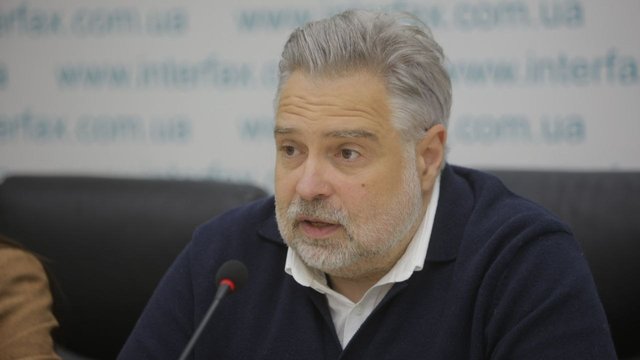
Oleksandr Kalenkov, president of the “Ukrmetallurgprom” Association, noted that while the draft order on raising tariffs has not yet been made public, the issue is being actively discussed. He emphasized that “Ukrzaliznytsia” is a state monopoly and that corruption is present in its operations. The company must operate transparently, and its activities should be overseen by an independent body—the National Commission for State Regulation in the Transport Sector—the creation of which has been under discussion in Ukraine for 17 years.
“We hope that the decision to raise tariffs will be made objectively. Moreover, freight transportation has always been profitable. Specifically, Ukrzaliznytsia’s operating profit in 2024 amounted to 20 billion hryvnias; profitability remained steady in 2025, and we also expect Ukrzaliznytsia to operate profitably this year. However, the volume of freight is decreasing: from 315 million metric tons in 2021 to 160 million metric tons in 2025,” said Kalenkov.
He added that the business community is trying to engage in a constructive dialogue with the company. In particular, there is the issue of subsidizing passenger transportation, but passenger transportation cannot be subsidized at the expense of private businesses; it must be funded through the budget. However, the business community can invest its own funds to provide support.
“Ukrzaliznytsia has opportunities to improve efficiency through its operational activities. Furthermore, it has the ability to secure external financing, whereas the private sector currently lacks such opportunities. So let’s resolve these issues together, rather than making decisions behind closed doors,” urged the head of Ukrmetallurgprom.
Kalenkov added that following the press conference, a joint appeal to the government would be drafted.
“We are prepared to accept a fare increase of up to 10%. And Ukrzaliznytsia itself must improve its efficiency. We need a normal, open discussion about the transportation situation,” he concluded.
Pavlo Kachur, head of the Association of Cement Producers of Ukraine (Ukrcement), noted that the transportation situation is becoming critical, and this threatens not only a specific industry but the Ukrainian economy as a whole.
“We support raising tariffs, but we advocate for an objective increase. Balanced rates must be adopted. No one has any interest in the collapse of any industry!” Kachur emphasized.
The head of “Ukrcement” proposed a set of solutions, including allowing private rail operators to participate in freight transportation, since, according to his data, up to 50 trains are unable to find locomotives for transport. Kachur also highlighted the need to raise salaries for train drivers and “Ukrzaliznytsia” employees, as well as the need to address the issue of passenger transportation, particularly commuter services.
He also spoke in favor of adopting anti-crisis measures and the need for “Ukrzaliznytsia” to publicly disclose its plans regarding where the funds generated by the tariff increases will be allocated.
“We support Ukrzaliznytsia presenting a program to modernize its rolling stock. We support the adoption of performance indicators for freight delivery so that the railway can report on this,” Kachur explained.
Serhiy Kudryavtsev, Executive Director of the Ukrainian Association of Ferroalloy Producers (UkrFA), supported the proposal regarding fares and resolving the issue of cross-subsidization. At the same time, for enterprises in the ferroalloy industry located in areas of active hostilities, the cost of freight delivery is a critical issue.
“The cost of transporting manganese to Nikopol has increased fivefold. And this is a matter of survival for our companies,” said Kudryavtsev.
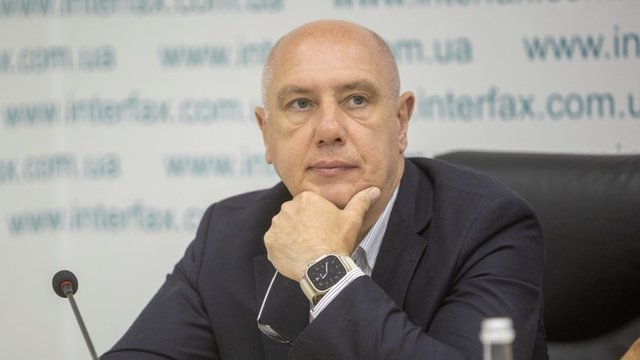
Vladimir Gusak, CEO of the Federation of Transport Employers of Ukraine, expressed surprise at Ukrzaliznytsia’s plans to raise tariffs.
“This is yet another attempt by Ukrzaliznytsia to raise freight tariffs: by 30% starting in August 2026 and by another 15% starting in January 2027. That is, by nearly 50%. This shows a complete lack of understanding of the realities,” Gusak said, adding that the main problem is the chronic losses in passenger transportation. At the same time, the volume of freight transportation is declining: now, with every fare increase, companies are forced to either reduce shipments or switch to other modes of transport just to stay afloat.
“In the current situation, we believe a moratorium on railway fare increases should be implemented until the war ends,” Gusak emphasized.
Konstantin Saliy, president of the All-Ukrainian Union of Building Materials Manufacturers, noted that in developed countries, fare increases are approved only after consultations, and this issue always receives close attention.
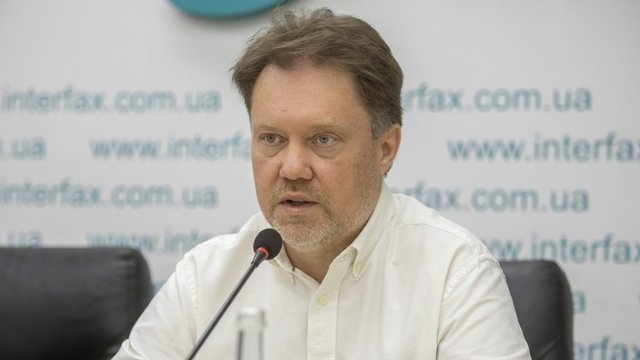
“A 2–3% price increase in the EU causes significant public discontent. Here, however, it’s 30% right off the bat. And this will trigger a chain reaction of price increases—we’ll feel it first, and then consumers will,” Saliy predicted, adding that “Ukrzaliznytsia” could secure funding through land taxes, the development of retail trade at train stations, and other areas, rather than by raising fares. The company should streamline its administrative staff and optimize its expenses. And shifting its problems onto Ukrainians and Ukrainian businesses is the wrong approach, Saliy concluded.
Oksana Nechay, a logistics specialist for rail transport at the Kovalska Industrial and Construction Group, noted that every increase in production costs is practically catastrophic for their company.
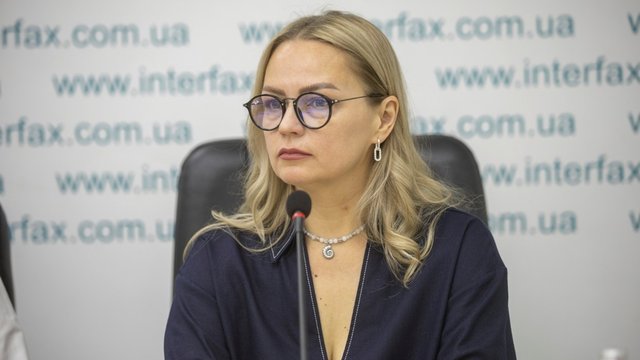
“It will lead to a loss of customers, and we operate in the domestic market. And this will result in a drop in tax revenues. The next increase could also take a toll on part of the industry. Both we and Ukrzaliznytsia stand to lose. We are not opposed to an increase, but it must be justified, because we are interdependent,” Nechay said.
Ksenia Orynchak, Executive Director of the National Association of the Mining Industry of Ukraine (NADPU), reported on a “casual meeting” of mining industry representatives last week, as well as an appeal to the Prime Minister, the Ministry of Development, and the State Regulatory Service to prevent an increase in railway tariffs.
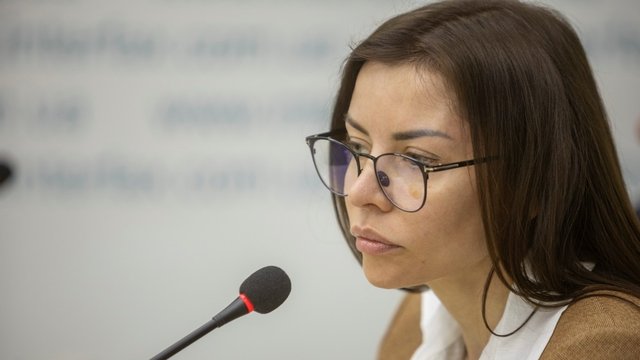
“We outlined the negative consequences. Meanwhile, the EU is currently focusing on environmental issues. But Ukraine is moving in the opposite direction, shifting from rail to road transport due to Ukrzaliznytsia’s stance,” Orynchak noted, proposing that a joint appeal following the press conference highlight the need to pursue an environmentally friendly approach in line with the SVA.
Source: https://interfax.com.ua/news/press-conference/1177028.html
BUSINESS, freight rates, INDUSTRY, KUDRYAVTSEV, Nechay, Saliy, TRANSPORTATION, UKRZALIZNYTSIA, КАЛЕНКОВ, Оринчак
Over the past month, the Ukrainian Energy Exchange held 111 trading sessions on the BETS, 73 auctions for the purchase and sale of electricity on the BETS in the “Electric Power” version, and four trading sessions each day on the short-term natural gas market.
As a result, 3,473.43 thousand MWh of electricity, 181.26 thousand metric tons of crude oil and gas condensate, 12.2 thousand metric tons of liquefied gas and petroleum products, 28.97 million cubic meters of natural gas, and 168.86 metric tons of raw materials were sold. In addition, 280 auctions were held in May in the “Raw Timber and Lumber” category. The total sales volume for this category amounted to 46.21 thousand cubic meters.
“Market-based instruments in the energy sector today play a decisive role in the industry’s development and in strengthening economic stability. Thanks to the capabilities of the Ukrainian Energy Exchange, market participants can interact effectively on a daily basis and find reliable counterparties for the purchase and sale of energy resources and electricity. We continue to work consistently to increase the transparency and efficiency of the energy market: we are developing new services, improving trading mechanisms, and maintaining high standards of organized exchange trading,” concluded O. Kovalenko, CEO of the UEB.
According to analysts at Fixygen.ua, in the coming weeks the cryptocurrency market may be influenced most strongly not by internal industry news, but by geopolitics, oil prices, Federal Reserve policy and sanctions decisions. Bitcoin and Ethereum remain sensitive to any signals that change expectations regarding liquidity and risk appetite.
The first key factor is the situation around the United States, Iran and the Strait of Hormuz. In June, markets reacted to interim agreements between Washington and Tehran, which are expected to reduce risks to oil supplies and restore traffic through one of the world’s most important energy routes. Against this backdrop, global equity funds received a strong inflow of capital, while oil prices began to decline.
For the crypto market, this is a mixed signal. If oil prices continue to fall, inflation expectations may weaken, and investors may return to risky assets, including cryptocurrencies. But if the agreements collapse, Hormuz will once again become a source of an oil shock, which will increase inflation risks and may hit Bitcoin, Ethereum and altcoins.
The second factor is the policy of the U.S. Federal Reserve. The Fed kept the rate at 3.50–3.75%, but the market perceived the regulator’s signal as more hawkish. If expectations of a rate hike by the end of the year strengthen, pressure on crypto assets may persist. More expensive money usually reduces investor interest in high-risk assets and increases demand for dollar-denominated instruments.
The third factor is the sanctions policy against Russia and control over the circumvention of restrictions through cryptocurrency channels. The EU has proposed a new package of sanctions that affects Russian banks, entities linked to the circumvention of restrictions, as well as crypto platforms. This is important for the market because stronger control may increase regulatory risks for individual services, strengthen compliance and reduce activity in some jurisdictions.
The fourth factor is Russia’s war against Ukraine. Any increase in military escalation, new sanctions, strikes on energy infrastructure or changes in the position of G7 countries may affect markets through energy prices, the dollar, demand for safe-haven assets and investors’ overall attitude toward risk. For cryptocurrencies, this means increased volatility, especially if events coincide with important macroeconomic releases in the United States.
The fifth factor is U.S. and Chinese trade policy. In June, Washington opened a consultation process on possible tariff changes within the framework of agreements with China. Easing trade tensions may support stock markets and risky assets, while new restrictions or tariff threats will work in the opposite direction.
The sixth factor is competition for capital between cryptocurrencies, the technology sector and AI. After the geopolitical relief in June, investors actively invested in global stock markets and technology companies. For Bitcoin, this is a problem: part of the capital that could have returned to crypto ETFs is moving into AI stocks, semiconductors and major technology companies.
Fixygen.ua considers the following events to be the most important for the crypto market in the near future:
decisions and comments by the Fed on rates and inflation;
the dynamics of oil prices and the sustainability of agreements around the Strait of Hormuz;
new EU and U.S. sanctions against Russia, including restrictions on banks and crypto services;
data on ETF flows in the United States;
inflation statistics in the United States and Europe;
signals on U.S.-China trade relations;
escalation or de-escalation in the Middle East and in Ukraine.
The final main conclusion of the specialized resource Fixygen.ua is that the crypto market now depends not only on demand for Bitcoin and Ethereum, but also on the external environment. If geopolitical risks decline, oil continues to fall and the Fed softens its rhetoric, Bitcoin will have a chance to break out of its sideways range. If, however, oil rises again, the Fed remains hawkish, and sanctions and military risks increase, the market may return to a sell-off.

On June 17, the “Sens” bookstore on Khreshchatyk hosted the presentation of the first Ukrainian translation of Agatha Christie’s autobiography—a book the author worked on for 15 years and which literary scholars consider one of the most important works in her body of work.
According to a reporter from the culture desk of the “Interfax-Ukraine” news agency reporting from the scene, the event was attended by Svitlana Stretovych, founder and editor-in-chief of Stretovych Publishing House; literary scholar and publisher Rostyslav Semkiv; and translator Roksana Shevchuk, who spoke about the work involved in producing the first Ukrainian edition of Agatha Christie’s autobiography, the nuances of the translation, and the book’s significance for today’s readers.
“Mystery fans often say that Agatha Christie was the queen of the genre, but many consider her autobiography to be her strongest work. It offers insight into her perspective on life, people, and the era in which she lived,” Stretovych emphasized during the presentation.
The idea to publish Agatha Christie’s autobiography in Ukrainian came from Svitlana Stretovych, founder and editor-in-chief of Stretovych Publishing. According to her, the idea came to her unexpectedly after one of the book presentations.
“It just occurred to me one evening: has Agatha Christie’s autobiography been translated into Ukrainian? I was convinced it had. But the next day we started checking and it turned out there was no Ukrainian translation. So we immediately began searching for the rights holders,” Stretovych told the agency.
According to the publisher, negotiations to acquire the rights lasted several weeks. The process was complicated by the fact that Agatha Christie’s detective novels have been published in Ukraine by KSD for many years, so the rights holders first had to determine whether the author’s current Ukrainian publisher planned to release the autobiography.
Stretovich noted that the publishing house deliberately chose the autobiography, as biographies and memoirs are one of the key areas of its work.
“We were specifically interested in the autobiography. We didn’t plan to publish the detective novels, since another Ukrainian publisher handles that. Biographical literature, on the other hand, is one of our publishing house’s main areas of focus, so this book fits perfectly into our concept,” she said.
The book’s initial print run was 3,000 copies. The publication is nearly 800 pages long, and its current price is 750 UAH. However, according to Stretovich, the actual cost of the project is significantly higher due to the large volume of translation and preparatory work.
Finding a translator was a story in itself. According to the publisher, the team was looking not only for a professional specialist but also for someone who shared their values. An unexpected turn of events proved decisive when translator Roksana Shevchuk mentioned one of the publishing house’s books on social media almost at the same time.
“I took it as a sign and immediately wrote to Roksana with an offer to translate Agatha Christie. She agreed,” Stretovich said.
Translator Roksana Shevchuk told the agency that work on the Ukrainian edition took five months. According to her, the translation proved to be much more complex than usual work with a literary text, since it involved not only conveying the content but also recreating Agatha Christie’s own voice.
“Technically, it took five months. The war was constantly echoing both in the book and in my personal life. While I was working on it, my godson was killed in the Sumy region, and I was in the middle of translating the chapters about World War II. At a certain point, I had to take a break,” the translator said.
According to her, what impressed her most was the author’s ability to remain optimistic even after the most difficult trials in life.
“At a certain point in Agatha Christie’s life, she had suffered a tremendous number of losses. But even during the darkest times, she never lost her faith in people, her sense of humor, or her love of life. That’s what impressed me the most,” Shevchuk noted.
The translator is convinced that the autobiography is relevant to modern Ukrainian readers as well, since it speaks to a person’s ability to weather crises and start over.
“This book makes you want to be a better person. It teaches you not to be afraid to dream, not to set limits for yourself, and to keep searching for who you are, regardless of your age,” she said.
Literary scholar and publisher Rostyslav Semkiv called the book one of the most fascinating autobiographies in world literature.
“This is not just the life story of a famous writer. It is the success story of a person who is now ranked alongside Shakespeare in terms of popularity and print runs. Here you can see how she worked on her texts, communicated with publishers, overcame creative crises, and learned to write,” said Semkiv.
According to him, this very book served as one of the sources for his work on the craft of writing.
“When I was working on the book *How the Classics Wrote*, Agatha Christie’s autobiography formed the basis for the chapter about her. It contains a lot of practical advice for authors and, at the same time, is a very captivating human story,” he noted.
Semkiv expressed his conviction that the Ukrainian edition will be a success among readers.
“There are many fans of the mystery genre and of Agatha Christie herself in Ukraine. I think readers have been waiting for this book for a long time,” he said.
During the presentation, it was also emphasized that the team worked to preserve the atmosphere of the British era while making the text feel natural to Ukrainian readers. Significant attention was paid to historical explanations, footnotes, and cultural context.
Participants at the event described the autobiography as a book about the courage to live, to make mistakes, to lose, and to start over. That is why, nearly half a century after the author’s death, her personal story continues to find new readers around the world.
https://interfax.com.ua/news/culture/1177587.html
Agatha_Christie, Agatha_Christie_in_Ukrainian, CULTURE, роксана_шевчук, ростислав_семків, світлана_стретович



