
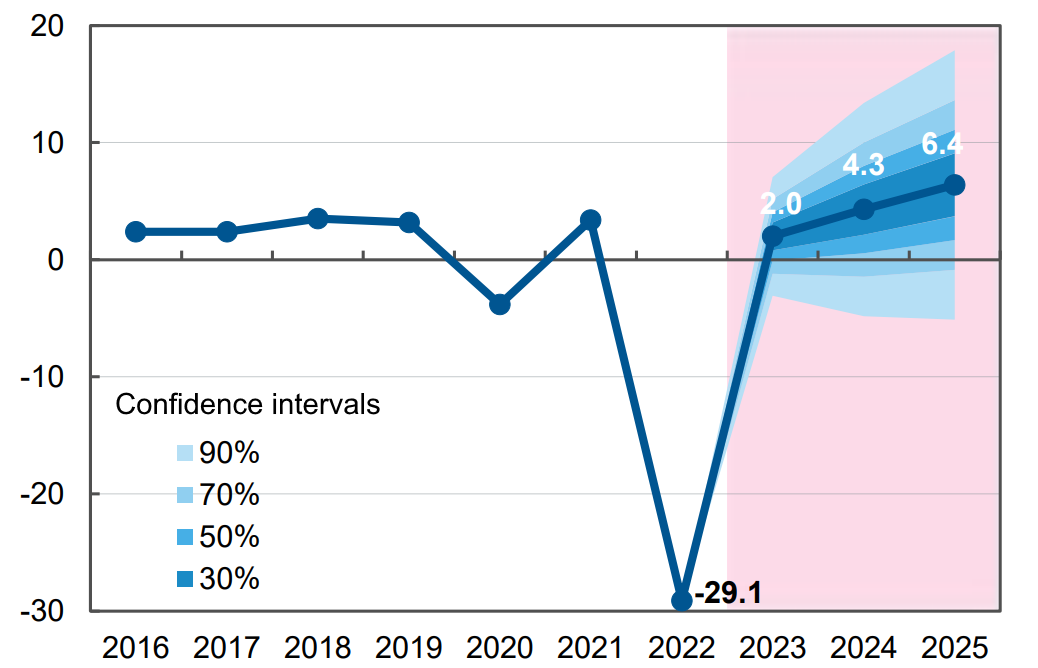
Forecast of dynamics of changes in ukrainian GDP in % for 2022-2025 in relation to previous period
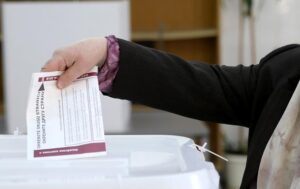
According to the “Serbian Economist,” the Central Election Commission of Bosnia and Herzegovina has scheduled general elections for October 4, 2026, the country’s election commission reports.
About 3.3 million registered voters will be called upon to elect the new composition of the country’s highest authorities at several levels. Voting will take place for members of the collective Presidency of Bosnia and Herzegovina, deputies to the House of Representatives of the Parliamentary Assembly of Bosnia and Herzegovina, the Parliament of the Federation of Bosnia and Herzegovina, the National Assembly of the Republika Srpska, the president and vice presidents of the Republika Srpska, as well as cantonal assemblies within the Federation of Bosnia and Herzegovina.
The elections will traditionally be one of the key political events in the region, as Bosnia and Herzegovina remains a state with a complex system of governance, where a significant portion of decisions depends on the balance between Bosniaks, Serbs, and Croats, as well as on relations between the two entities.
At the state level, citizens elect three members of the BiH Presidency: one Bosniak, one Croat, and one Serb. The Bosniak and Croat members are elected within the Federation of Bosnia and Herzegovina, while the Serb member of the Presidency is elected within the Republika Srpska. At the same time, a state-wide parliament is formed, upon which the work of the BiH Council of Ministers depends.
The elections will take place against the backdrop of ongoing political tensions in the country. In recent years, the Republika Srpska has remained the center of conflicts between the entity’s authorities, BiH state institutions, and the international community. Reuters previously noted that the leadership of the Republika Srpska had been pushing a separatist agenda, which hindered the implementation of reforms and the work of state-level institutions.
For the region, the election results will be significant in terms of Bosnia and Herzegovina’s stability, its European integration, relations with Serbia and Croatia, as well as the role of international institutions that continue to participate in supporting the Dayton system.
Bosnia and Herzegovina is structured as a complex state established following the 1995 Dayton Peace Agreement. The country consists of two main entities: the Federation of Bosnia and Herzegovina and the Republika Srpska, as well as the separate Brčko District with special status. The Federation of BiH, where the majority of the population consists of Bosniaks and Croats, is further divided into 10 cantons with their own authorities. The Republika Srpska has its own government, parliament, and president. The Brčko District formally belongs to both entities but effectively functions as a separate self-governing administrative unit under the sovereignty of BiH.
This system makes BiH one of the most complex countries in Europe in terms of governance. In practice, power is distributed among the state level, the entities, the cantons, and the Brčko District. Therefore, elections in the country are not only a contest between parties but also a test of the balance between different ethnic communities, levels of government, and foreign policy orientations.
Bosnia and Herzegovina, Central Election Commission, ELECTIONS

The Ukrainian marketplace for verified real estate, DIM.RIA, conducted a survey of its audience, in which over 2,500 Ukrainians participated. The aim of the study was to determine Ukrainians’ plans, priorities, and budgets regarding the purchase and rental of housing. The results showed that in 2026, every second Ukrainian plans to purchase real estate, with the majority of home seekers targeting a budget of up to $60,000.
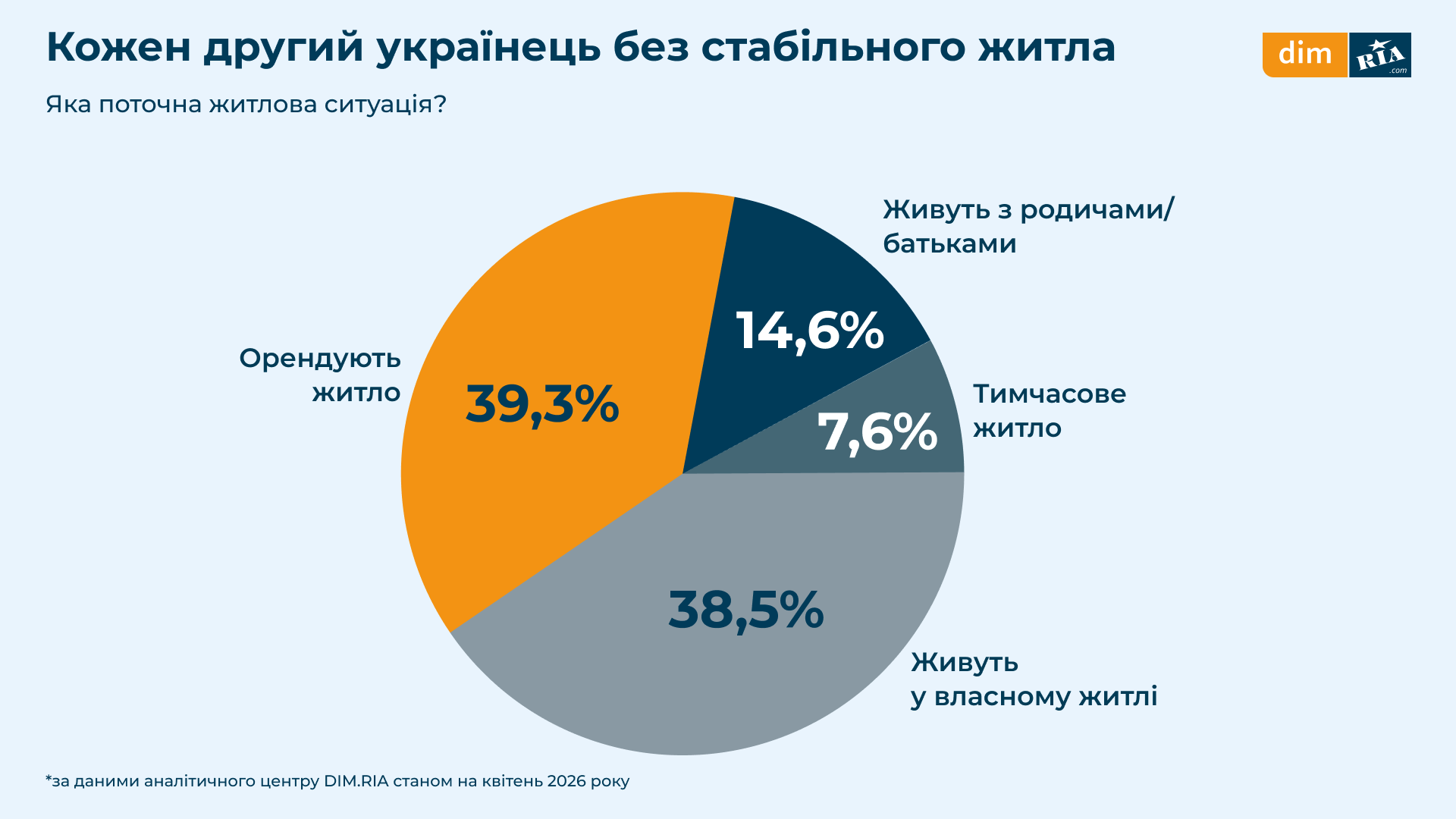
Despite the war, most Ukrainians will continue to live in their hometowns in 2026. At the same time, 33.7% have changed their place of residence since February 24, 2022. Moreover, nearly half of those surveyed do not own their own home: almost 40% rent, and 7.6% live in temporary housing.
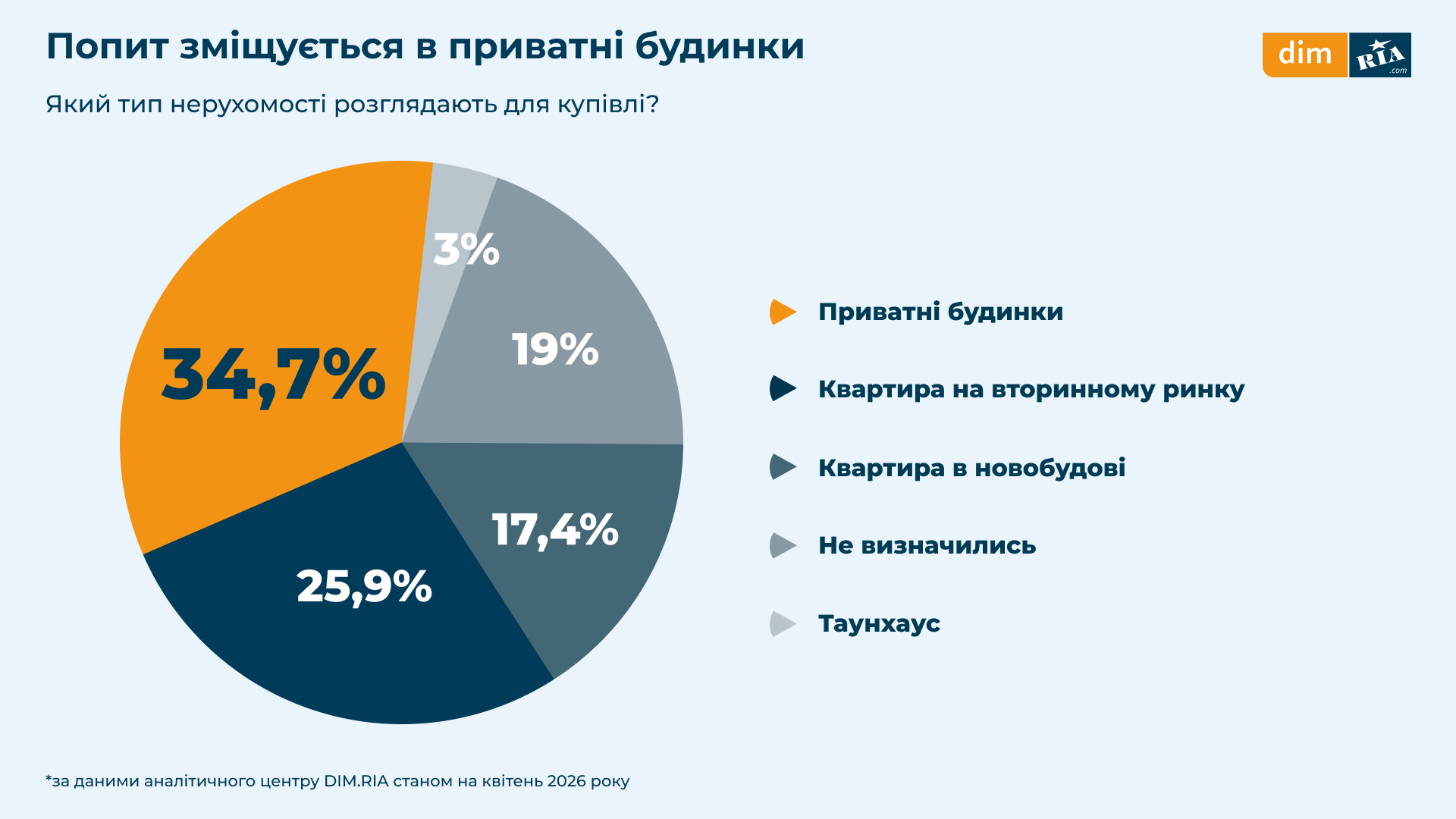
51.1% of Ukrainians plan to purchase real estate this year. Interest in single-family homes is growing in 2026: 34.7% are specifically looking to buy this type of property. Owning a home allows for greater control over utilities (electricity, heating, water), which in turn provides a greater sense of security and control.
25.9% are considering the secondary market—this allows them to move in faster without waiting for construction or renovation to be completed
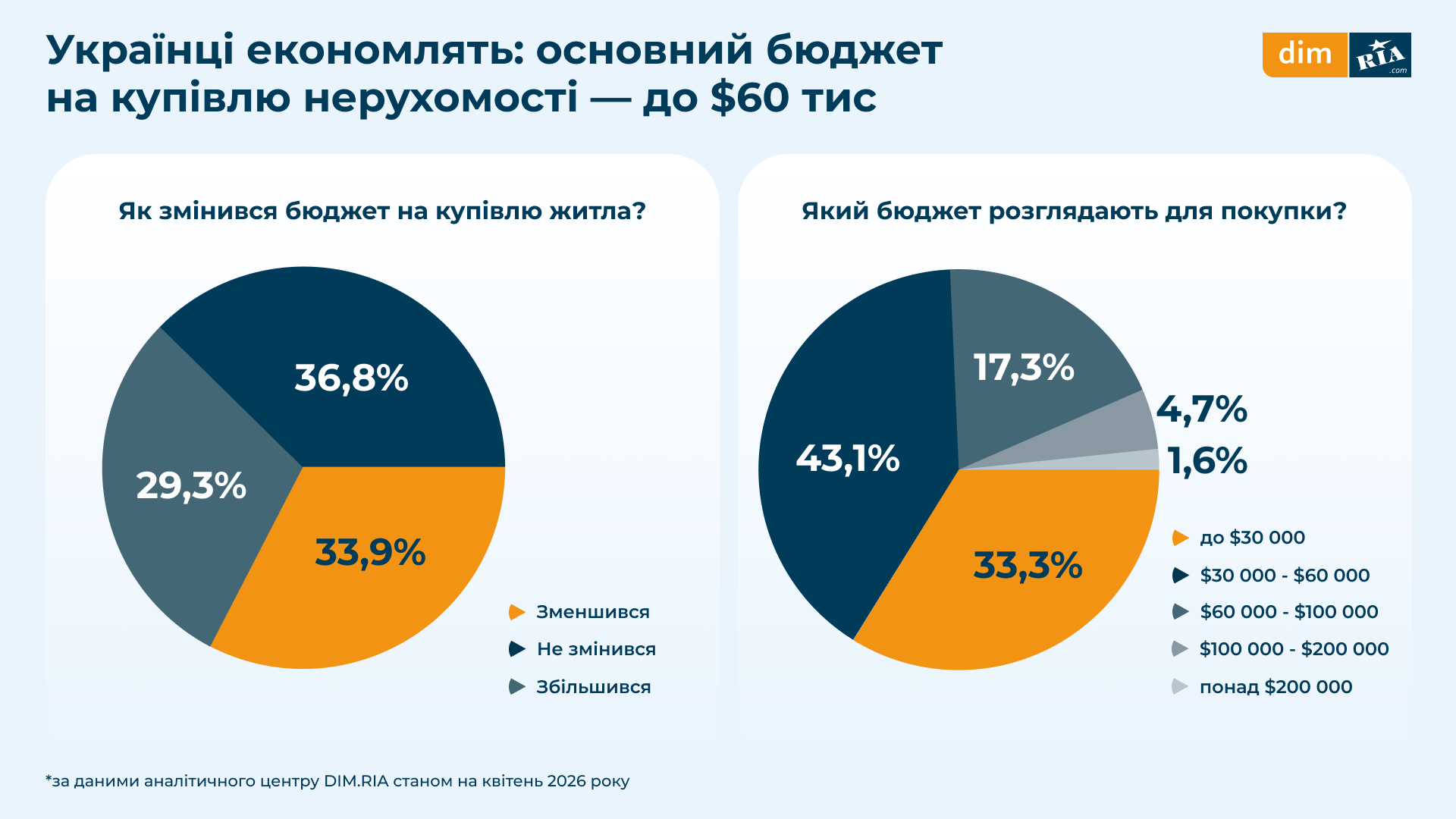
A third of respondents have seen their budget for purchasing real estate decrease in 2026: for 33.9%, the budget has decreased; for 29.4%, it has increased; and for 36.8%, it has remained unchanged. The largest share, 43.1% of respondents, are willing to spend between $30,000 and $60,000 on housing, while 33.3% can allocate even less, up to $30,000. Thus, over 76% of respondents are targeting a budget of up to $60,000.
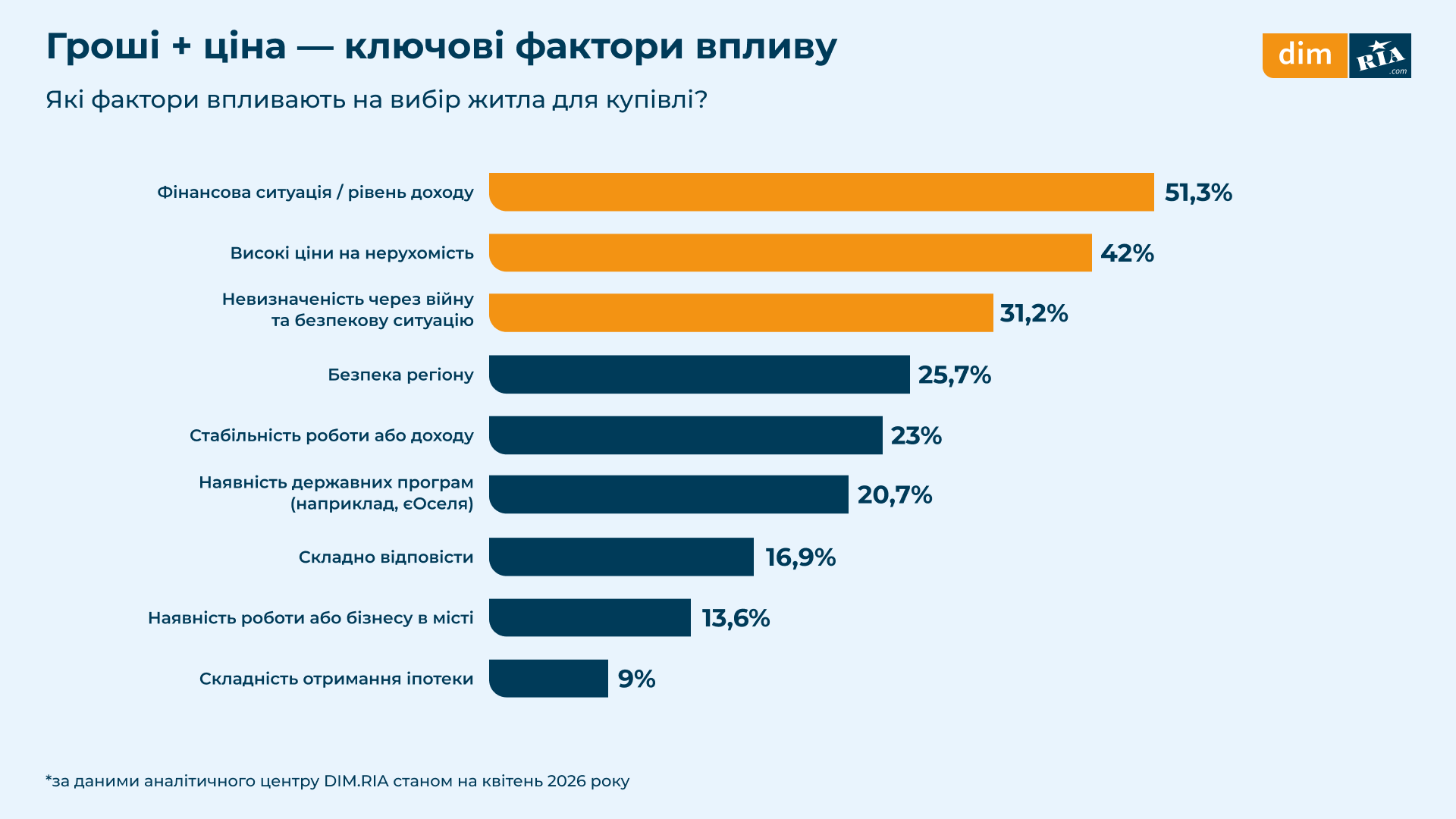
Among the priorities Ukrainians consider when choosing a home to buy, income level, real estate prices, and the overall security situation in the country take center stage. In contrast, government programs, such as eOselya, and mortgages take a backseat in the decision-making process. The key factors when renting are financial situation and contract terms
Overall, the real estate market remains focused on affordable housing, and financial factors determine both purchasing and renting
DIM.RIA – a marketplace for buying and renting verified housing. A product of the Ukrainian IT company RIA.com. Currently, the marketplace has a website and an app for iOS and Android devices.
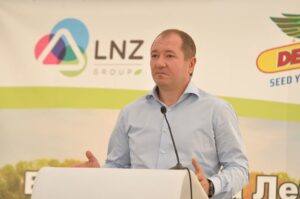
Shareholders of PrJSC “Lebedinsky Seed Plant” (LSP, Cherkasy region), the parent company of the LNZ Group agricultural holding, completely renewed the composition of the supervisory board and re-elected the director at the annual general meeting on April 30, the company reported in the NSSMC’s information disclosure system.
According to the report, due to the expiration of their terms, the powers of the previous supervisory board, which included Chairman Dmytro Kravchenko (who owns 41.43% of the shares), Nataliia Kravchenko (7.06%), and Valentyna Kravchenko (3.93%), were terminated as of May 6.
The new composition of the board was elected for a three-year term. It again includes Dmytro Kravchenko, who was re-elected as chairman of the supervisory board, and Nataliia Kravchenko. Valentina Kravchenko was replaced on the board by her representative, Viktor Kravchenko. In addition, the composition of the supervisory board was expanded to include two independent directors: Dmytro Oliinyk and Serhiy Maychuk. The company’s director, Anatoliy Tkachenko, was also re-elected for a new three-year term.
In addition to personnel decisions, the shareholders approved the financial and operational results for 2024 and 2025. According to the report, the company ended 2024 with a loss of UAH 141.84 million, which was allocated to increase the accumulated losses of prior periods. At the same time, the plant ended 2025 with a profit, which was fully directed toward partially covering the losses of previous years.
At the same time, shareholders granted preliminary consent to enter into significant transactions during the year with a maximum aggregate value of UAH 70 billion, which amounts to 455.5% of the issuer’s asset value (UAH 15.37 billion). The consent pertains to loan agreements, transactions involving real estate and land, and the supply of raw materials for financial and operational activities.
The meeting also approved a new version of the company’s articles of association and the regulations governing the supervisory board.
According to Opendatabot, LNZ reported a net profit of UAH 116.59 million for 2025, which is 18.5% less than in 2024 (UAH 143.06 million). Net sales revenue for the reporting period decreased by 7.1% to UAH 17.37 billion. The company’s total assets at year-end increased by 1.1% to UAH 15.76 billion. Meanwhile, the company’s debt stood at UAH 16 billion, compared to UAH 15.91 billion a year earlier.
According to OpenDataBot, 100% of the authorized capital (UAH 12.05 million) belongs to Dmytro Kravchenko, who is the ultimate beneficial owner.
LNZ was established in 1994; the company specializes in seed treatment for reproduction and is also engaged in the supply of natural gas and electricity. The company holds stakes in the authorized capital of STOV “Agroalliance” (80%), STOV “Kavunivka” (75%), ZAT ‘Tsukorimpex’ (8%), and LLC “Corporation ”Vitchyznyane Nasinnitsya” (1.87%).
LNZ Group is a vertically integrated agro-industrial holding that develops seed production, agricultural production (cultivating over 80,000 hectares of land), distribution of plant protection products, seeds, and fertilizers, as well as grain trading. The holding is a long-standing partner of international companies such as Bayer (DEKALB), Syngenta, and others in the seed production sector.
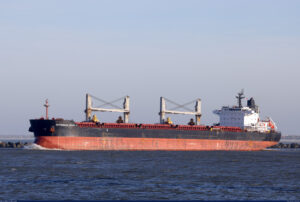
Agricultural holding Kernel, Ukraine’s largest exporter of agricultural products, has sold the Rotterdam Pearl V bulker, which has a carrying capacity of 55,000 tons, and is considering a complete exit from the shipping business, the holding’s press service reported on Thursday.
According to the report, the vessel, purchased in December 2023, was part of an anti-crisis strategy to ensure exports during a period of charter rate shortages. The stabilization of the maritime corridor allowed the company to shift its strategy toward operational flexibility rather than owning its own fleet. Currently, the holding retains only the MAVKA tanker with a carrying capacity of 13,500 tons for transporting oil.
“We entered the shipping business when freight rates were at their peak and access to vessels was limited. Our own fleet fulfilled its mission: we gained control over the export chain and deep market expertise. Today, the situation has changed, and we are adapting to remain effective,” the agricultural holding’s press service quoted Kernel’s Director of Logistics, Mykola Miroshnychenko, as saying.
The logistics optimization comes amid a recent attack by Russian drones on the port infrastructure in Chornomorsk on the night of May 3. At that time, Kernel’s vegetable oil transshipment terminal sustained significant damage: the destruction of tanks led to a spill of over 1,100 tons of product. The spill was quickly contained, but the company temporarily suspended operations, redirecting flows to partner terminals in Odesa and on the Danube.
As reported, Kernel exported 5.4 million tons of grain during the 2025 fiscal year (FY, July 2024–June 2025). At the same time, the company’s own harvest amounted to 2.3 million tons, while the agricultural holding purchased over 3 million tons of grain (about 60% of the segment’s exports) from third-party producers. Overall, transshipment volumes through the company’s own terminals during this period increased by 36%—to 9.1 million tons.
Before the war, Kernel ranked first in the world in sunflower oil production (about 7% of global production). In 2025, the company accounted for about 10% of Ukraine’s total export revenue. The holding’s share of global sunflower oil exports currently stands at 10%.
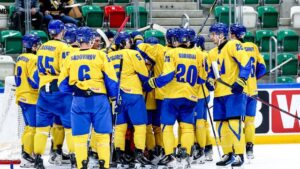
The Ukrainian national hockey team finished second at the World Championship in Division 1A in Sosnowiec, Poland, and earned promotion to the top division—a level the team had not reached since 2007.
At the end of the tournament, Ukraine had three wins and two losses, earning 10 points. The team, led by Dmytro Khristich, secured its spot in the elite division thanks to the result of the tournament’s final match, in which Lithuania defeated the host team—Poland—in overtime (2–1). A Polish victory in regulation time would have cost Ukraine second place.
Kazakhstan became the Division 1A champion with 13 points. They were followed by Ukraine (10), France (8), Poland (8), Lithuania (4), and Japan (2).
Next year, the Ukrainian national team will compete in the top-division World Championship, which will take place May 14–30, 2027, in the German cities of Düsseldorf and Mannheim.



