

According to Experts.news, brisk walking and jogging may be among the most effective forms of physical activity for maintaining bone mineral density in people over 40, according to the results of a large meta-analysis published on September 9, 2026, in the scientific journal BMJ.
According to ScienceAlert, researchers analyzed 124 randomized clinical trials involving 18,429 participants aged 40 and older. The scientists compared various types of physical activity, including walking, running, strength training, aerobic exercise, yoga, and combined programs.
The primary outcome measure was bone mineral density in the lumbar spine, the femoral neck, and the hip joint. A decline in this measure with age is associated with an increased risk of osteoporosis and fractures.
Brisk walking and jogging showed the best results for bone density. For the lumbar spine, they resulted in an average improvement of approximately 0.013 g/cm² compared to the control group. A combination of aerobic and strength training demonstrated a similar result.
For the femoral neck, brisk walking or jogging was associated with an improvement of approximately 0.009 g/cm². A positive effect was also observed for so-called mind-body practices, which include, in particular, yoga and similar types of exercise.
The researchers also attempted to determine the optimal amount of physical activity. The analysis showed that a noticeable effect on bone tissue begins to appear at approximately 600 MET-minutes per week. This roughly corresponds to about two to three hours of brisk walking or jogging per week, although the exact duration depends on the intensity of the exercise.
The authors note that structured physical exercise can moderately but clinically significantly slow the age-related decline in bone mineral density in the lumbar spine, the femoral neck, and the hip joint.
At the same time, the effect of exercise varied depending on the participants’ age and other characteristics. In middle-aged individuals with normal body weight, changes in bone density were more pronounced, whereas in older participants and those who were overweight, the results were weaker. The authors emphasize that these subgroup findings have limited validity and should not be used as ready-made individual recommendations without further research.
Separately, the researchers analyzed the risk of fractures. This analysis included 26 studies involving 11,132 participants. Some combined aerobic programs and mind-body exercises showed a potential reduction in fracture risk, but the evidence base here was less conclusive.
Experts also caution that an increase in bone mineral density does not always directly translate to a corresponding reduction in fracture risk. For example, brisk walking showed some of the best results for bone density, but no statistically significant reduction in the number of fractures was observed in this group.
The study authors rate the overall certainty of some of the results as low or moderate and emphasize that further research is needed to formulate precise recommendations regarding the type and “dose” of physical activity.
Original study: BMJ – Effect of exercise on bone health in middle-aged and older adults.
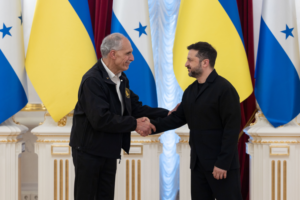
Ukraine and Honduras have signed a “roadmap” for deepening bilateral cooperation for 2026–2029, Ukrainian Foreign Minister Andriy Sibiga announced.
“The signing of a ‘roadmap’ to deepen cooperation between Ukraine and Honduras for 2026–2029 was an important step in strengthening our relations,” he wrote on social media platform X.
Sibiga reported that he had met with Honduran Foreign Minister Mirey Agüero de Corrales following her visit to Kyiv as part of the Honduran president’s delegation.
According to him, the parties agreed on the importance of expanding economic and business ties.
Sibiga thanked Agüero de Corrales for her attention to Ukraine and noted that her visit to Kyiv allowed her to see the consequences of the Russian war firsthand and strengthen mutual understanding between the two countries.
He specifically emphasized Honduras’s position on the illegal activities of the “shadow fleet,” particularly the need to end the practice of registering ships under the Honduran flag.
The parties also discussed the need to restore freedom of navigation in the Black Sea, the protection of Ukrainian ports, global food security, and the unimpeded export of Ukrainian agricultural products.
Sibiga briefed his counterpart on efforts to establish an International Commission for the Settlement of Claims and other international initiatives aimed at ensuring accountability and justice.
The ministers also discussed cooperation on the return to Ukraine of children abducted and deported by Russia, as well as practical steps to intensify these efforts.
According to Sibiga, Ukraine counts on Honduras’ continued support in its efforts to achieve a comprehensive and lasting peace.
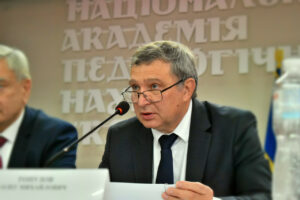
The General Assembly of the National Academy of Pedagogical Sciences of Ukraine elected Oleg Topuzov as president of the Academy for a five-year term—from September 18, 2026, to September 17, 2031.
According to the results of a secret ballot, 185 assembly members supported his candidacy, nine voted against, and two ballots were deemed invalid. Topuzov was the only candidate for the position.
He succeeded Vasily Kremen, who had led the academy since 1997. The General Assembly unanimously elected Kremen as honorary president of the National Academy of Pedagogical Sciences for life.
In presenting the academy’s development program, Topuzov outlined four core principles of operation: continuity, competence, openness, and effectiveness.
“My task is not to start from scratch. My task is to preserve the best of what we have and, together with you, to usher in a new phase of our academy’s development,” he stated.
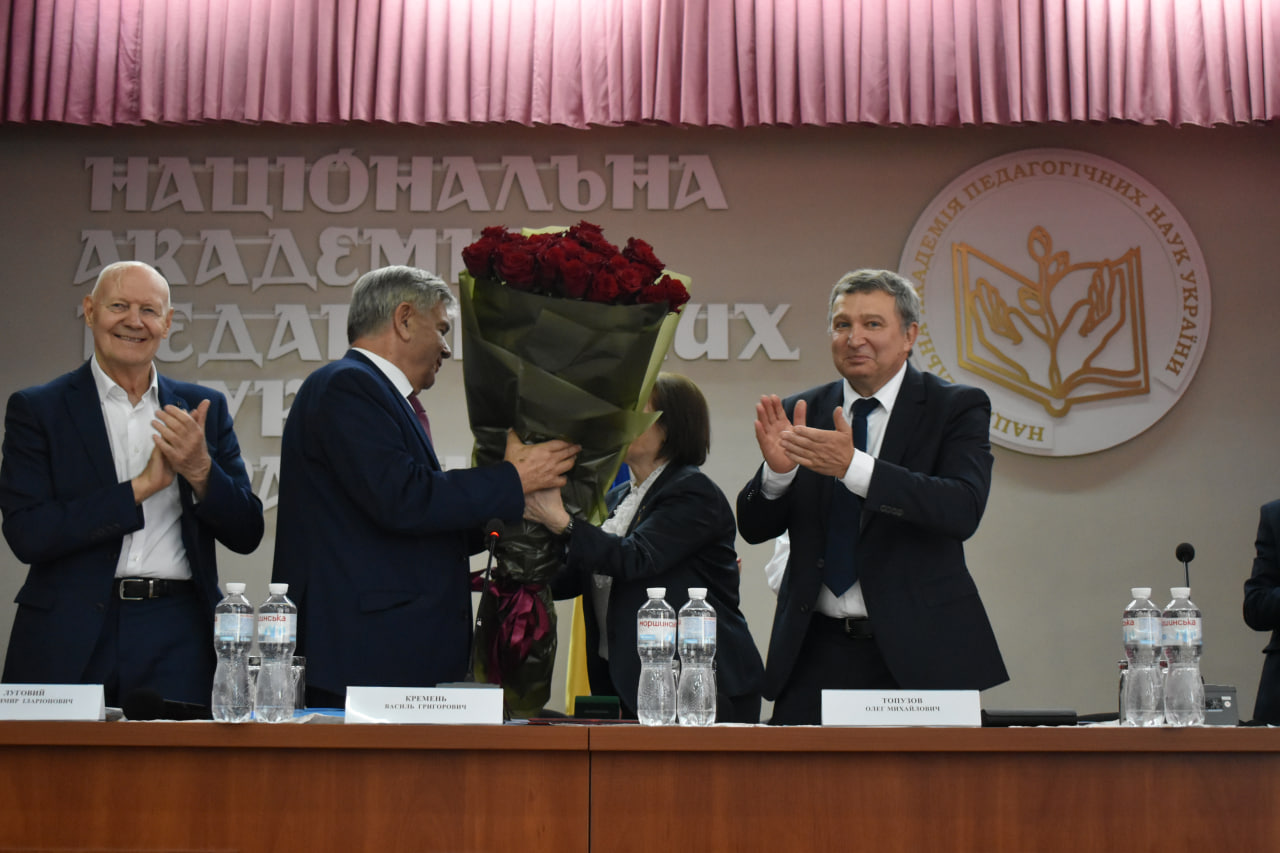
Among the main areas of focus for the new leadership, Topuzov highlighted strengthening the influence of educational science on the formation of state education policy, rebuilding human capital, overcoming educational gaps, supporting young scholars, and researching the impact of artificial intelligence on the education system.
One of the key initiatives is to be a systematic foresight study on the development of education in Ukraine through 2035. It will cover possible scenarios for the development of preschool, K-12, vocational, higher, and adult education, taking into account demographic changes, labor market needs, technological development, and European integration.
“Our research should not end with just monographs, articles, or recommendations. It must influence government decisions,” Topuzov emphasized.
He identified scientific support for education during wartime and postwar reconstruction as a separate priority. This refers, in particular, to the psychological resilience of children and youth, support for educators, inclusion, and the reintegration of veterans and Ukrainians returning from abroad.
According to the new president of the National Academy of Pedagogical Sciences, Ukraine’s recovery must begin with the restoration of human capital.
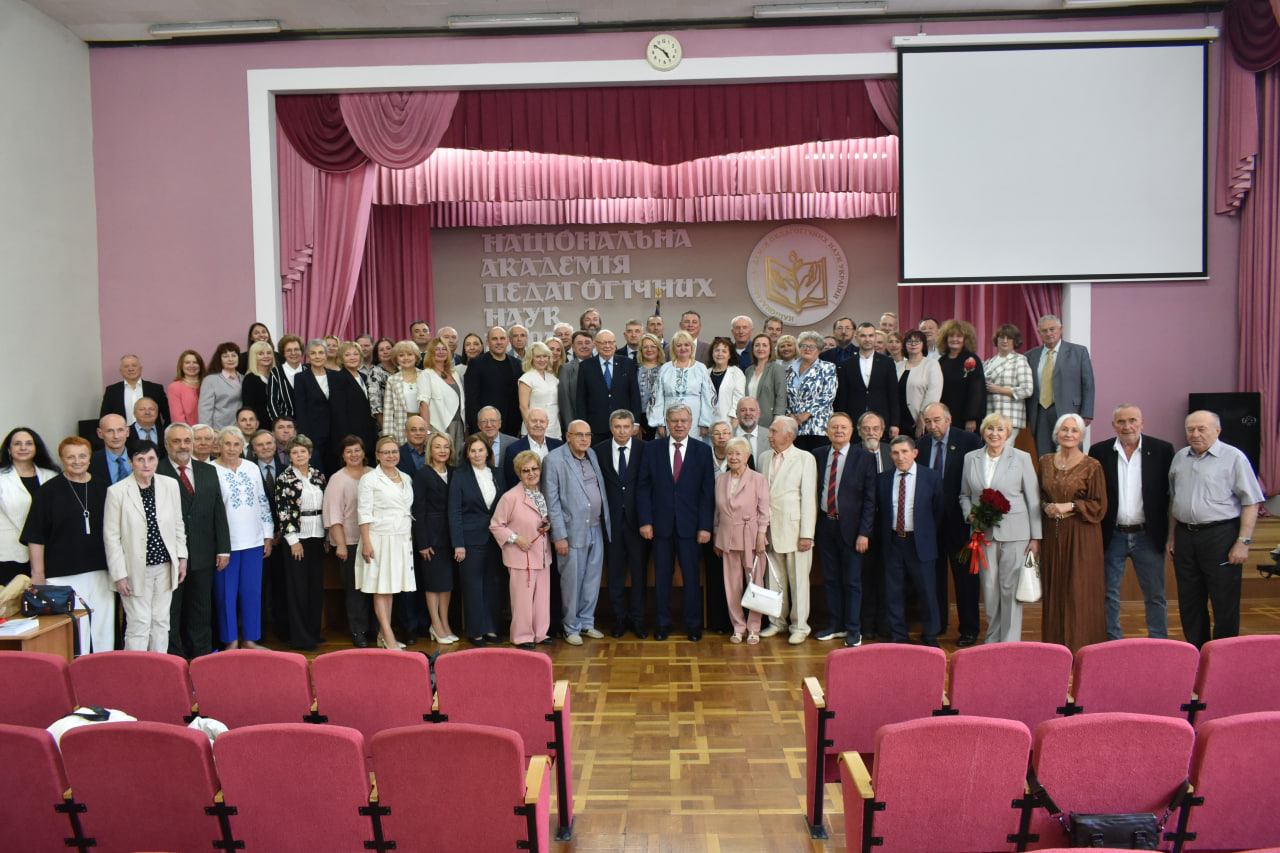
Topuzov also proposed launching a university-wide program titled “Artificial Intelligence and the Future of Education.” Research should cover changes in the role of teachers, approaches to assessing knowledge, issues of academic integrity, and the competencies students will need over the next 10–20 years.
The NAPN’s European integration will involve expanding joint research, participating in international consortia and programs such as Horizon Europe, Erasmus+, and COST, promoting academic mobility, and increasing the number of joint international publications.
For young researchers, there are plans to create the “Young Scientist of the National Academy of Pedagogical Sciences of Ukraine” program, which will provide grant support, mentorship, international mobility, and participation in major research projects.
During the annual meeting, the results of the NAPN’s activities for 2017–2026 were also presented. During this period, the Academy’s institutions completed 163 fundamental and 195 applied research projects, produced more than 14,000 scientific articles, and published over 250 monographs, preprints, and other scientific works.
The NAPN’s electronic library collection has grown to 40,000 full-text resources, and the number of downloads has reached 19 million. The Academy’s institutions participated annually in nearly 50 international scientific and educational projects and programs.
During the meeting, the Academy’s new leadership was also formed. Volodymyr Lugovoy and Vitaliy Panko were elected vice presidents of the National Academy of Pedagogical Sciences, and a new presidium was formed consisting of 29 members, 22 of whom had not previously served on it.
The National Academy of Pedagogical Sciences of Ukraine conducts fundamental and applied research in the fields of education, pedagogy, and psychology; participates in the development of educational standards, curricula, and textbooks; and provides scientific support for reforms in the education system.
The Inzhur Investment Group, which includes an asset management company with three investment funds, an investment firm, a securities broker, and a securities custodian, plans to increase its assets under management from the current 9.36 million UAH to 100 billion UAH over the next five years, said the group’s founder and head, Andriy Zhurzhii.
“100 billion is our dream and our plan. That’s for the next five years. In other words, we’ll end this year with more than 10 billion—10 to 11 billion in assets under management. And over the next five years, we’ll reach 100 billion based on today’s figures. In other words, if there are any devaluation processes, then, of course, we’ll get there faster,” he said during the “Forbes Business Breakfast with Fedorin” on Wednesday, adding that there was a day when the group managed to attract 500 million UAH at once.
According to him, the group has attracted 131,560 investors to its funds, with a minimum investment of 11 UAH.
“We’ve set ourselves the goal of reaching 1 million investors in ‘Inzhur’ by the end of 2028. We plan to end this year with 150,000–200,000 investors: we’re already on track for 170,000, and we’ll have to work hard to reach 200,000, but the team is doing its best,” noted Zhurzhii.
In his view, to increase the number of investors to 2–3 million, it is necessary to invest more in the community and in its education and experience; therefore, the group launched an educational program with Prometheus, which attracted 14,000 registrants in just one week.
The head of “Injur” also expressed the opinion that the Ukrainian market is not yet ready for stocks.
“We will still grow through some form of debt instruments—bonds or quasi-debt instruments, when we’re talking about funds. Stocks will be the next stage,” Zhurzhii believes.
asset, FUND, Injur, INVESTMENT, INVESTOR
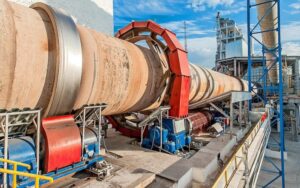
Taiwan Cement Corporation (TCC Group) intends to acquire 100% of the shares in the Ukrainian cement producer PJSC “Ivano-Frankivskcement” (“IFCEM”), the company’s press office reported.
“The partnership will combine IFTSEM’s leading position in the Ukrainian market, its modern production facilities, long-standing industrial traditions, and strong team with TCC’s global experience, technologies, and investment capabilities. It lays the foundation for the group’s further development and its active participation in Ukraine’s large-scale recovery and the deepening of economic integration with Europe,” according to a statement on the “Ivano-Frankivskcement” website.
The relevant agreement will be concluded between the majority shareholder of PrJSC “Ivano-Frankivskcement,” CemInWest S.A. (Switzerland), together with the owners of the affiliated companies Ivano-Frankivskdakh LLC, Krugips LLC, Krumix LLC, and TCC Group EMEA Holdings B.V. (Netherlands)—a subsidiary of TCC Group Holdings Co., Ltd.
It is noted that the completion of the transaction is subject to obtaining the necessary antitrust approvals and other regulatory clearances in the relevant jurisdictions, as well as the fulfillment of standard closing conditions.
According to Mykola Kruts, Chairman of the Management Board and member of the Supervisory Board of “Ivano-Frankivskcement,” he will remain a member of the company’s board of directors in the coming years.
“Today, the company is entering a new phase of its development. The partnership with a global strategic investor from Taiwan opens up new opportunities for IFCEM in terms of investment, technological development, and further strengthening of its position. In the coming years, I will remain a member of the board of directors to ensure continuity, stability, and the company’s further development,” the company quotes Krut as saying in its statement.
The preliminary value of the deal is approximately 750 million euros, according to “Forbes Ukraine,” citing Focus Taiwan.
PJSC “Ivano-Frankivskcement” manufactures cement, roofing materials, concrete and reinforced concrete products, and dry construction mixes. Its production capacity stands at 4.3 million metric tons of cement per year. Approximately 2,500 people are employed at the group’s facilities.
Before the start of the full-scale war, NEQSOL Holding was close to acquiring “Ivano-Frankivskcement,” but subsequently withdrew from the deal.
According to data from the YouControl analytical system, in 2025, Ivano-Frankivskcement increased its net profit by a factor of 1.4 compared to the previous year, to 4.2 billion UAH, and its net revenue by 20.3%, to 16.2 billion UAH. In the first half of 2026, net profit decreased by a quarter compared to the same period in 2025, to 1.4 billion UAH, while net revenue fell by 4.2%, to 7.1 billion UAH. The company’s total assets amounted to 14.9 billion UAH.
TCC Group Holdings Co., Ltd. is a global industrial group based in Taiwan and one of the world’s largest cement producers. The group operates more than 40 production sites, with a combined cement production capacity exceeding 112 million metric tons per year, and employs 13,800 people. TCC is also developing initiatives in green energy, energy storage systems, and advanced materials. TCC has a significant presence in Europe and Africa, particularly in Portugal, Turkey, Spain, the United Kingdom, the Netherlands, France, and Italy.
AGREEMENT, CEMENT, INVESTMENT, IVANO-FRANKIVSKCEMENT, TCC Group

As of September 23, Ukrainian farmers had planted 741,400 hectares with winter grains, or 14.2% of the projected area, and 958,800 hectares with winter rapeseed, or 86.7% of the projection, according to the press service of the Ministry of Agrarian Policy and Food.
Specifically, 662,400 hectares (14.6% of the forecast) have been planted with wheat and triticale (a hybrid of wheat and rye – IF-U), 53,100 hectares (8.9%) with barley, and 25,800 hectares (33.6%) with rye.
The largest areas of winter grains have been planted in the Mykolaiv region—101,000 hectares, including 79,000 hectares of wheat and triticale and 22,000 hectares of barley.
In the Poltava region, 91.3 thousand hectares have been planted, of which 87.3 thousand hectares are wheat and triticale, and 4 thousand hectares are rye.
In the Dnipropetrovsk region, 86,300 hectares have been planted with winter grains, including 84,000 hectares of wheat and triticale, 2,100 hectares of barley, and 200 hectares of rye.



