

To help Ukraine repair and strengthen its energy infrastructure ahead of another winter under attack from Russia, Canada has announced new support.
The announcements were made during Ukrainian President Volodymyr Zelenskyy’s visit to Canada and his meeting with Canadian Prime Minister Mark Carney
According to the website of the Office of the Prime Minister of Canada, the Canadian government will provide the European Bank for Reconstruction and Development with new loan guarantees totaling nearly 435 million Canadian dollars to support energy security, including the purchase of natural gas during the winter and backup generators for electricity production during shortages.
Canada is allocating 200 million Canadian dollars in concessional loans through Export Development Canada to support Ukraine’s reconstruction. As emphasized by the Prime Minister’s Office, this will help Ukraine repair critical infrastructure while providing Canadian companies with the opportunity to support critical projects.
The support package includes an additional 10 million Canadian dollars for the Ukraine Energy Support Fund, bringing the total to $100 million, to support Ukraine’s energy infrastructure, including the procurement and delivery of critical energy equipment to enhance Ukrainians’ resilience to energy disruptions.
In addition, Canada announced a contribution of 2 million Canadian dollars to the International Energy Agency’s (IEA) Joint Work Program to support the development of Ukraine’s energy resources. This funding will strengthen Ukraine’s energy resilience, provide regulatory support, and promote clean energy projects.
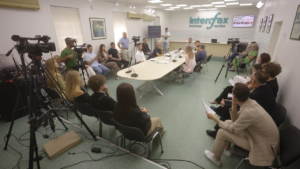
The DMNTR media group, together with general partner A Development, held a roundtable discussion titled “Building the Future: Development in Wartime” at the press center of the Interfax-Ukraine news agency, during which representatives of the development and architectural sectors discussed the personnel shortage, rising construction costs, new safety requirements, problems with permitting procedures and approaches to Ukraine’s post-war reconstruction. One of the central topics of the event was the announcement of the urban festival SEPTEMBER FEST 2026, which will take place in Kyiv on September 18.
The discussion was attended by A Development founder and CEO Oleksii Baranov, CREDO Development CEO Vitalii Borul, architect and founder of A. Pashenko architects Andrii Pashenko, and A Development chief project architect Yuliia Poliukhovych. The meeting was moderated by lawyer and Kyiv City Council deputy of the VII–VIII convocations Vlad Mykhailenko.
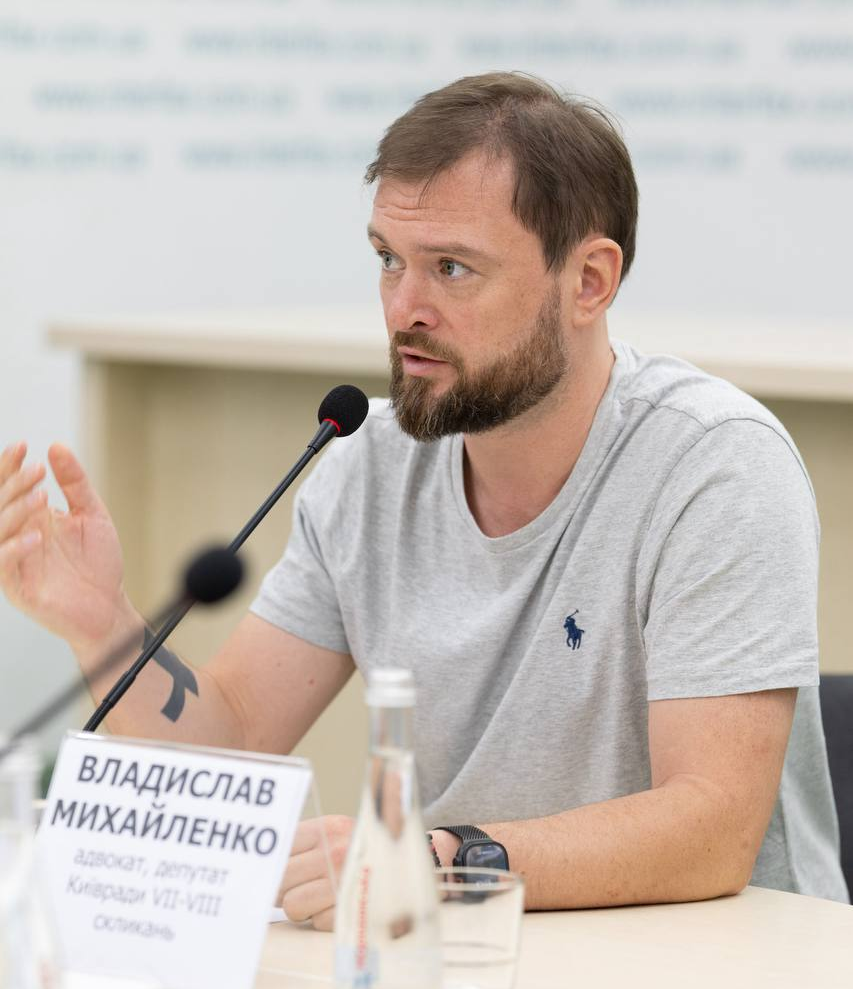
The participants identified the shortage of specialists in construction and architecture as one of the most acute issues. According to Baranov, the personnel shortage became particularly noticeable in the spring of 2026.
“There is a very serious shortage of construction workers. We all felt this problem in the spring of this year. As a company owner, I am looking for people to complete the construction of projects,” the founder of A Development said.
Yuliia Poliukhovych noted that a similar situation had developed among architects: teams are shrinking, while the complexity of the work is increasing because of the need to constantly adapt projects to new construction standards, primarily safety requirements.
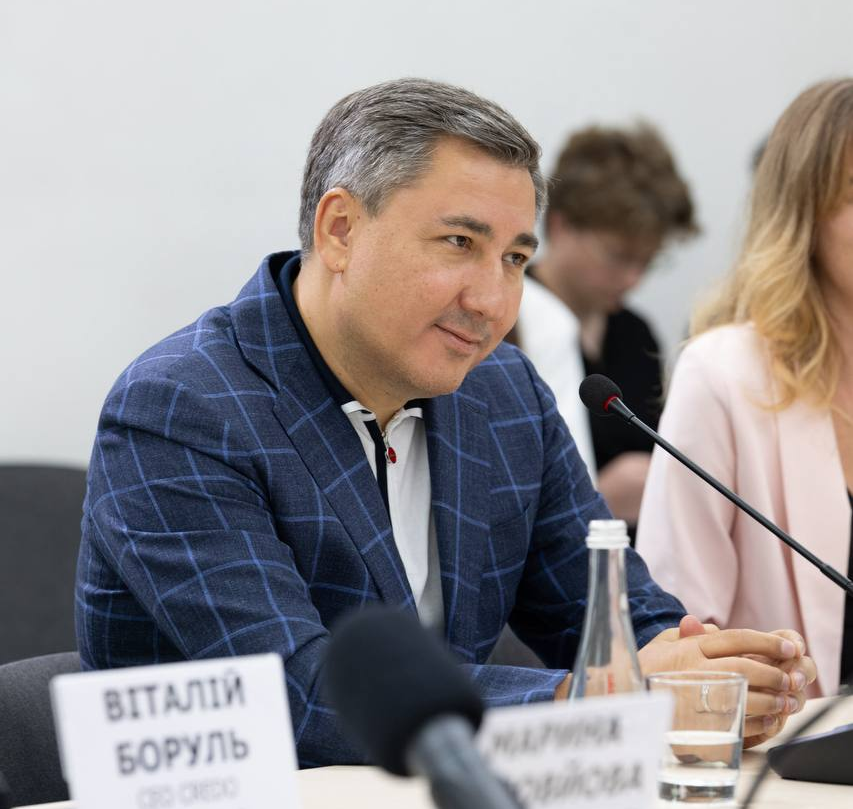
“While three or four architects previously worked on a project, now it may be just one,” she noted.
Another challenge has been the significant increase in the cost of construction work. According to Baranov’s estimate, whereas before the full-scale war the cost of work was approximately equal to the cost of materials, in some cases labor now costs two to three times more than the materials themselves. Housing sales are additionally affected by Russian attacks on cities, while war-risk insurance remains expensive for developers.
CREDO Development CEO Vitalii Borul drew attention to the substantial increase in costs caused by new safety requirements. According to him, modern underground shelters with evacuation exits significantly increase the cost of residential projects. He believes that the state should consider mechanisms to compensate developers for part of these expenses, as this concerns the systemic provision of public safety.
The speed of regulatory procedures was a separate topic. Participants noted that delays in adopting secondary legislation and urban-planning decisions can block project implementation for years, even after changes have been made to the primary legislation.
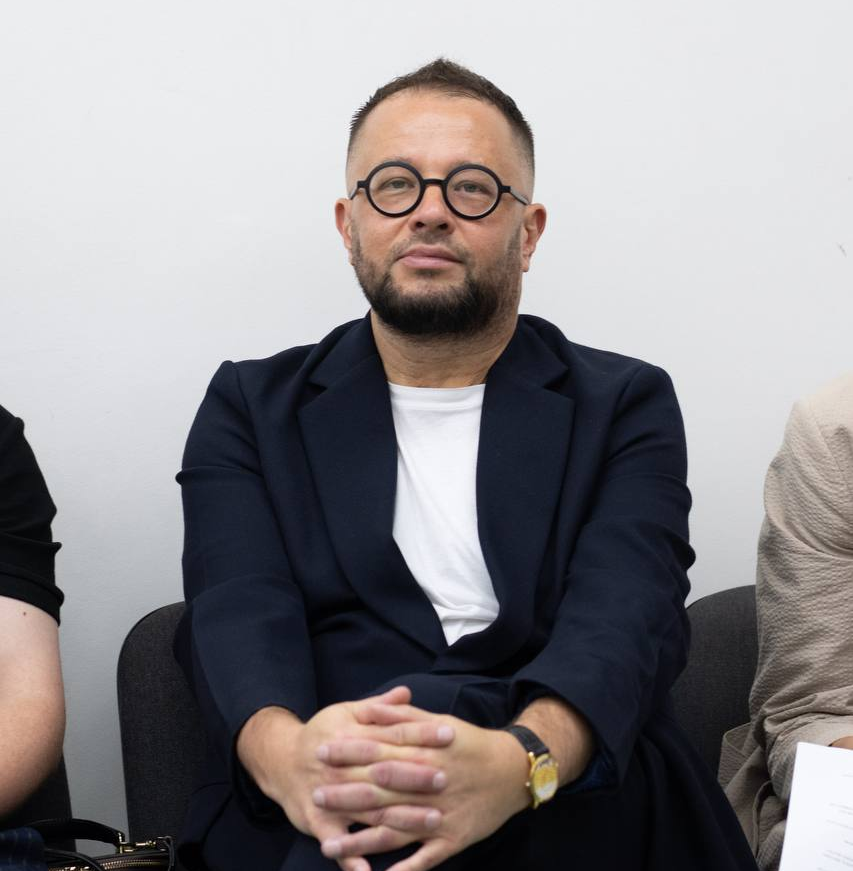
Baranov emphasized that a transparent mechanism for working in Kyiv’s historic center is particularly important.
“It is necessary to create an approach that makes the process transparent and fast while ensuring that what is built will remain relevant years from now,” he said.
Architect Andrii Pashenko separately addressed the future of Ukraine’s reconstruction. In his opinion, a significant part of the social infrastructure after the war will be built using prefab technologies and reusable designs, which will accelerate construction and standardize its quality.
A. Pashenko architects has already developed standardized solutions for kindergartens, schools and administrative service centers under the European Investment Bank’s Ukraine Recovery Programme.
“The revival of Ukraine is not only about projects in the central part of Kyiv. It also concerns Kharkiv, Chernihiv and places where reconstruction will be in demand,” Pashenko emphasized.
The roundtable participants agreed that the war has already changed the very logic of development: safety, building autonomy, energy efficiency, the accessibility of shelters and the quality of public spaces are becoming basic components of a project rather than additional options. At the same time, the industry needs to address personnel and financing issues and simplify the procedures for interaction between businesses, the state and local communities.
The professional discussion will continue at SEPTEMBER FEST 2026, which the DMNTR media group will hold on September 18 at A-STATION in Kyiv, near the Arsenalna metro station. A Development is the general partner of the event.
According to the organizers, the festival is expected to bring together more than 150 speakers and over 5,000 guests. The main topics will include urban development, architecture and development during the war, reconstruction and the revitalization of territories, personnel shortages, the digitalization of construction, BIM technologies, energy independence, the investment attractiveness of regions, design and the quality of the urban environment.
The announced participants in the professional program include Ukrainian developers, investors, architects and government representatives, as well as international experts, including Zaha Hadid Architects design director Christos Passas, British industrial designer Ross Lovegrove and German designer Konstantin Grcic.
The festival will be held in an open-air format with several parallel thematic venues, exhibition zones, professional networking and an evening program.
Registration for SEPTEMBER FEST is available on the event’s official website:
Organizer — DMNTR media group. General partner — A Development.
Interfax-Ukraine and Open4Business are the official media partners of SEPTEMBER FEST 2026.
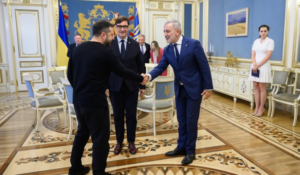
A delegation from the Generalitat of Catalonia, led by President Salvador Illa i Roca, signed documents on long-term partnerships with the Zaporizhzhia, Dnipropetrovsk, and Lviv regions during a visit to Kyiv on September 3, according to the Ukrainian Embassy in Spain.
Specifically, Catalonia signed memoranda of understanding with the Zaporizhzhia and Dnipropetrovsk regions, as well as a letter of intent with the Lviv region. The documents cover cooperation in the areas of healthcare, energy, economic development, science and innovation, and the restoration of critical infrastructure and basic services.
A separate area of focus involves strengthening the institutional capacity of Ukrainian regions, specifically preparing them to access EU structural and cohesion funds, as well as aligning with European legislation.
“Interregional cooperation is one of the most effective tools for Ukraine’s recovery. A direct partnership between Catalonia and our regions means not just one-time aid, but sustainable cooperation involving specific projects, the exchange of expertise, and preparation for EU membership,” noted Yulia Sokolovska, Ukraine’s ambassador to Spain.
Medicine remains one of the most developed areas of cooperation. Catalan hospitals have already treated Ukrainian military personnel and civilians with combat injuries, and have provided Ukrainian medical facilities with hospital beds, ventilators, and other equipment. Ukrainian doctors have also completed internships at Catalan medical institutions, specifically at the Guttmann Institute and the Sant Joan de Déu Children’s Hospital in Barcelona.
During this visit, the parties announced the launch of a specialized training program for Ukrainian medical professionals in the fields of reconstructive surgery, the treatment of severe injuries, amputations and prosthetics, burns, and psychological trauma.
The President of the Generalitat of Catalonia emphasized that cooperation must be mutual: Catalonia is ready to share its own and Spain’s collective experience with Ukraine, but at the same time is interested in the unique practices that Ukrainian medical professionals have developed during the war.
At the same time, a delegation from the Barcelona City Council, led by Mayor Jaume Colboni, is visiting Ukraine. As part of the visit, the mayor of Barcelona and the mayor of Kyiv, Vitali Klitschko, renewed the cooperation agreement between the two cities. The document covers issues of energy sustainability, accessibility, urban development, education, healthcare, culture, transportation, and public safety.
Barcelona also delivered a shipment of equipment and vehicles to Kyiv for the fire and rescue service. Starting in 2023, Kyiv will have priority city status in Barcelona’s municipal grant program for civil society organizations.
As noted by the Embassy of Ukraine in Spain, the agreements reached signify a shift in Catalonia’s support from individual humanitarian projects toward a permanent institutional partnership focused on the reconstruction of Ukrainian regions and their integration into the EU.
Original source: Embassy of Ukraine in the Kingdom of Spain
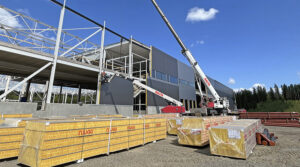
The Ukrainian engineering and construction company Rauta has received the “Ukrainian Construction Olympus” professional award in the category for leadership in Ukraine’s reconstruction. Information about the award has been published on the award’s website.
The organizers recognized Rauta for its projects involving the rapid reconstruction of buildings damaged as a result of military operations. According to the company, since 2022, it has participated in the restoration of more than 10 commercial and social facilities.
The “Ukrainian Construction Olympus” award is presented to companies, projects, and specialists in the construction, architecture, and real estate development sectors. Among the evaluation criteria, the organizers cite professionalism, reliability, the quality of completed projects, innovation, and contributions to the development of the construction industry.
Rauta provides building design and renovation services, supplies building frames, sandwich panels, and facade systems, and handles installation, general contracting, fire protection, and the commissioning of facilities. The company has also developed a range of solutions for accelerated construction and reconstruction, including a technology for a rapidly deployable mobile hospital for 72 patients, which, according to the company, can be erected in 14 days.
Rauta owner Andriy Ozeychuk stated: “The reconstruction of Ukraine today requires not temporary solutions, but buildings that will last for decades. It is particularly important for us to combine the speed of reconstruction with energy efficiency, safety, and modern European standards. The experience of the past four years has shown that Ukrainian construction companies are capable of implementing complex projects even in wartime. Once the war ends, the scale of reconstruction will be significantly greater, so it is essential to develop the technologies, expertise, and supply chains now that will enable us to build faster and with higher quality.”
Rauta is a Ukrainian engineering and construction company that works on commercial, industrial, residential, and infrastructure projects. The company provides a full range of services—from design and supply of structural components to general contracting and commissioning of buildings. Rauta is the exclusive supplier in Ukraine of commercial products from the Finnish Ruukki Group.
The company is a member of the “Ukrainian Center for Steel Construction” association, and Andriy Ozeychuk has chaired its board of directors since 2017. Rauta is also a member of the Finnish Business Group and the Finnish-Ukrainian association UkraineOffice.
“RAUTA GROUP” was registered in Kyiv in 2014; Andriy Ozeychuk is the founder, ultimate beneficiary, and head of the company.
https://rautagroup.com/uk/rauta-viznana-liderom-vidbudovi-ukrayini/

According to “Serbian Economist”, Serbia has provided Ukraine with humanitarian aid totaling approximately 63 million euros since the start of the full-scale war, said Andon Sapundži, Serbia’s ambassador to Ukraine.
About 10 million euros of this amount was allocated to support Ukraine’s energy sector and restore damaged infrastructure.
Serbia also announced an additional contribution of 2 million euros as part of the UNDP’s “Green Energy for Ukraine” program.
The funds are planned to be used to install transformer equipment with a total capacity of 63 MW to meet the needs of Kryvyi Rih. The equipment is expected to be commissioned in early 2027.
According to the ambassador, Serbian companies are already exploring opportunities to participate in Ukrainian reconstruction projects. Areas of particular interest include the energy sector, construction, the production of building materials, transportation infrastructure, and industrial cooperation.
He emphasized that Ukraine’s reconstruction should not be postponed until the end of the war, as some energy and infrastructure needs must be addressed immediately.
Serbian business participation in large-scale projects is currently in the stage of assessing opportunities and identifying specific partnerships.

The Ukraine Investment Congress, dedicated to investing in the country’s future, took place on July 30 at the Parkovy Congress and Exhibition Center in Kyiv and brought together over 2,000 representatives from the real estate development, investment, architecture, banking, and government sectors.
According to the organizers, the central theme of the congress was the slogan “Me, You, Society: Investing in the Country’s Future.” Participants discussed the development of the real estate market, the reconstruction of Ukrainian cities, the digitization of government services, investments in domestic tourism, energy independence, and the implementation of accessibility principles in urban planning.
At the same time, the XVII All-Ukrainian Architectural Competition “Interior of the Year 2026” took place at the “Parkovy” Exhibition and Convention Center, during which projects by Ukrainian architects, designers, and development companies were presented.
The congress was attended by Natalia Kozlovska, Deputy Minister of Community and Territorial Development of Ukraine; Roman Dzhuranuk, Deputy Head of the State Regulatory Service of Ukraine for Digital Development, Digital Transformation, and Digitalization; Ihor Reva, Deputy Minister of Community and Territorial Development of Ukraine for Digital Transformation; Artur Melezhik, Head of the Department of Industrial Parks and Investment Support; and Nazarii Volyanskyi, Director of the Kyiv Region Regional Development Agency.
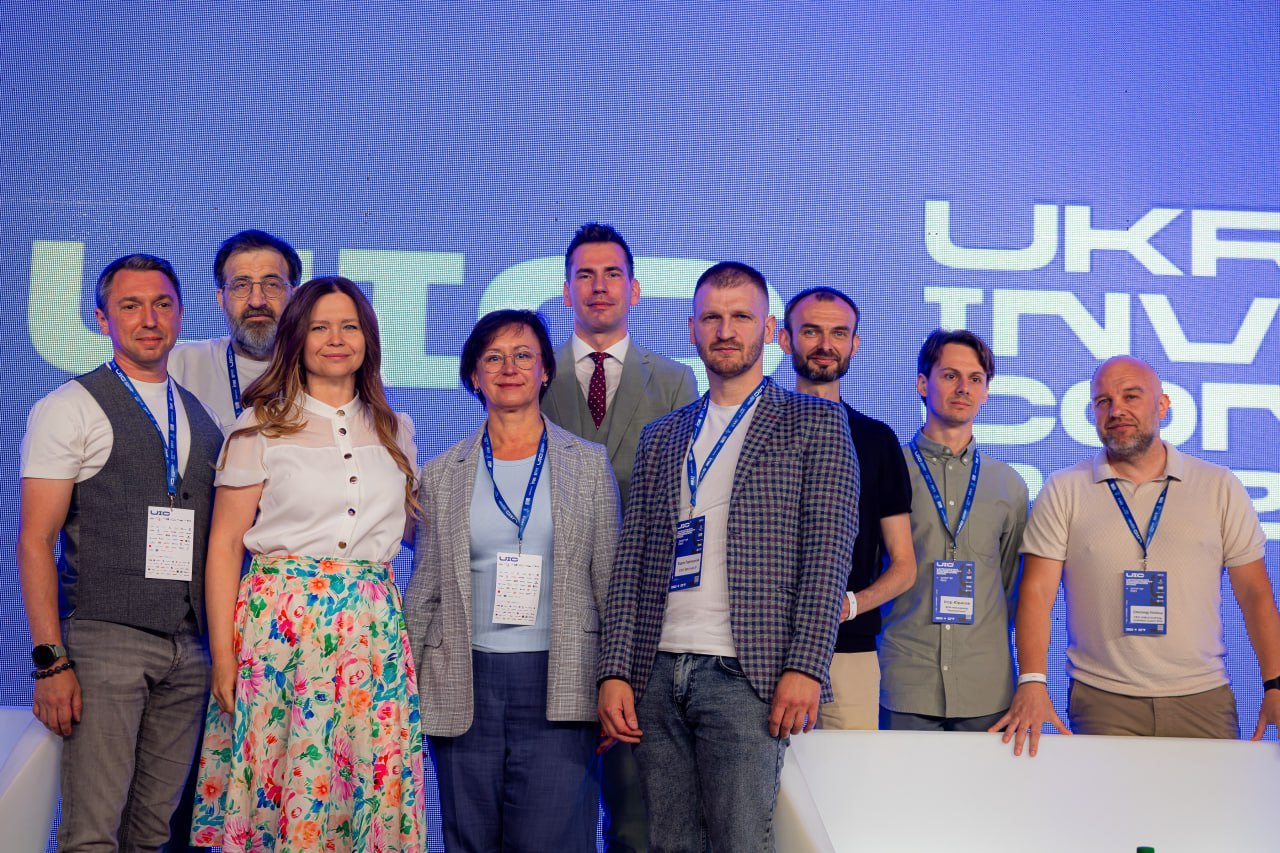
Among the representatives of the business community and expert circles, the event was attended by Oleksandr Seleznyov, Founder and CEO of Spatium Group; Andriy Vavrysh, Founder and CEO of SAGA Development; Vitaliy Borul, CEO of CREDO Development; Mark Kestelboim, CEO of Well-Being Contech; Pavlo Somov, Founder and CEO of EcoBud Building Group; Serhiy Odarych, founder and CEO of ODA Development; Yuriy Podolchuk, CEO of the Ukrainian BIM Community; Andriy Dligach, founder of Advanter Group; Dmytro Karpilovskyi, co-founder of the UkrInvestClub; and Anna Iskierdo, co-founder and CEO of AIMM.
A separate panel discussion was dedicated to domestic tourism as an investment asset. Participants examined which tourism and recreational projects Ukrainian investors are currently funding and discussed the prospects for the development of hotel, resort, and income-generating real estate.
During the panel discussion “The State on a Smartphone,” representatives from government agencies and the business community discussed the impact of digitalization on reducing bureaucratic procedures, simplifying investor interactions with the state, and increasing the transparency of permitting processes.
As part of the “Battle of Assets 2026–2027” discussion, experts analyzed various capital investment instruments and the prospects for investing in real estate, business, financial assets, and infrastructure projects.
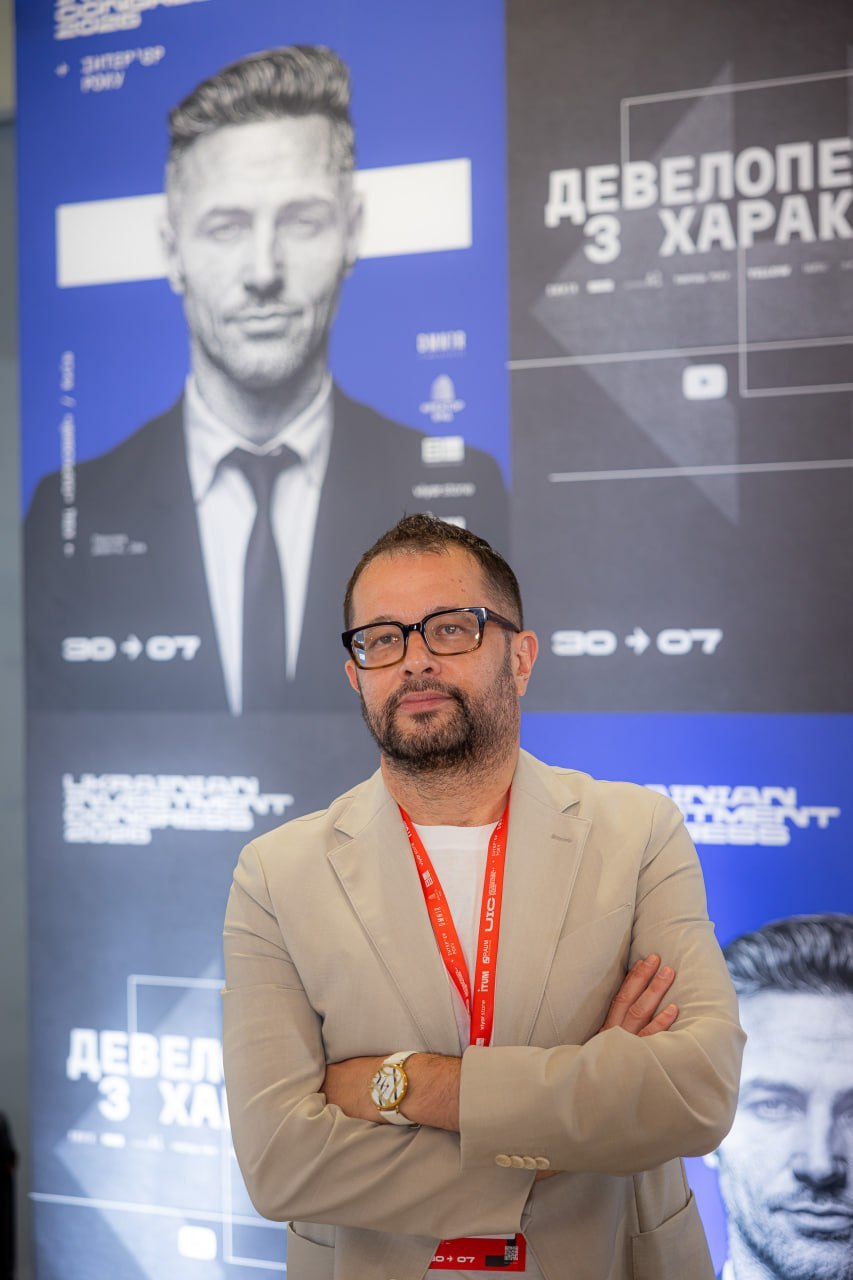
The program also included discussions on accessibility and inclusivity in urban development, the economic efficiency of facade systems, the use of BIM technologies, the energy self-sufficiency of facilities, and new design standards.
Separately, during the congress, the State Regulatory Service held a workshop for over 70 representatives of ministries and government agencies. Participants addressed issues of government regulation, deregulation, permitting procedures, and the creation of a favorable investment environment.
The event concluded with an awards ceremony for the winners of the “Interior of the Year 2026” competition. According to the organizers, the competition is intended to promote the professional selection of architectural and design projects and raise standards in the Ukrainian market.
The Ukraine Investment Congress was organized by the DMNTR media group. The general partner of the event was “Creator-Bud,” the general sponsor was Elio Home, the strategic partner was Viyar Stone, the premium partner was Itum, and the climate partner was Raum Engineering.
Detailed information about the event and a photo report are available on the official website of the Ukraine Investment Congress—www.ibc-ua.info.
Interfax-Ukraine is the information partner.



