
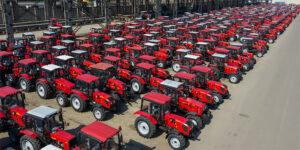
In January–July 2026, Ukraine exported tractors worth $5.97 million, which is approximately 71% more than during the same period last year, when exports totaled $3.49 million, according to data from the State Customs Service.
Thus, tractor exports are growing significantly faster than imports, although in absolute terms, the volume of Ukrainian exports remains relatively small.
Belgium became the main market for Ukrainian tractors in January–July, accounting for 24.8% of total exports. Based on the total volume of shipments, the value of exports to this country amounted to approximately $1.48 million.
Over the course of the year, the geography of exports changed noticeably. In January–July 2025, Romania was the largest destination, accounting for 38% of Ukrainian tractor exports.
For the full year 2025, Ukraine exported $6.6 million worth of tractors, compared to $5.4 million in 2024. The main export destinations at that time were Romania, Belgium, and Germany.
It is noteworthy that in just the first seven months of 2026, exports nearly matched the total for the entire previous year: $5.97 million compared to $6.6 million for the full year of 2025.
If the current trend continues, the final figure for 2026 could exceed last year’s level; however, the data provided by the State Customs Service does not allow for a prediction of future monthly trends or the year-end total.
At the same time, Ukraine remains a major net importer of tractors. From January through July, imports totaled $507.5 million, which is approximately 85 times the value of exports.
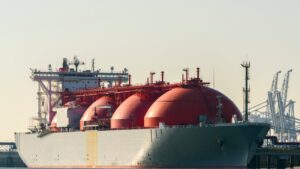
Due to reduced availability of liquefied natural gas (LNG) on the European market, Belgium switched entirely to importing this fuel from Russia in July, a move driven by supply disruptions and high gas prices, according to Bloomberg.
Total LNG shipments to Belgium in July fell by more than 40% compared to the same period last year. At the same time, the country purchased about 0.4 million metric tons of this fuel from Russia, although the volume of Russian imports was lower than in early 2026.
One reason for the increased role of Russian LNG was disruptions in fuel supplies from the Middle East due to shipping problems in the Strait of Hormuz. At the same time, most European buyers were postponing LNG purchases for winter stockpiles due to high gas prices.
“Europe received 16% more Russian LNG in the first half of 2026 compared to the same period the previous year, paying a total of 5.96 billion euros ($6.9 billion). The largest buyers were France, Belgium, and Spain,” the publication reports, citing data from the German nongovernmental organization Urgewald.
Low gas storage levels ahead of the winter season posed an additional challenge for Europe—they are the lowest for this period since records began in 2009.
According to Bloomberg, the last time Russia was the sole supplier of LNG to Belgium was in early 2021—before Russia’s full-scale invasion of Ukraine and after European economies had begun to recover from the COVID-19 pandemic.
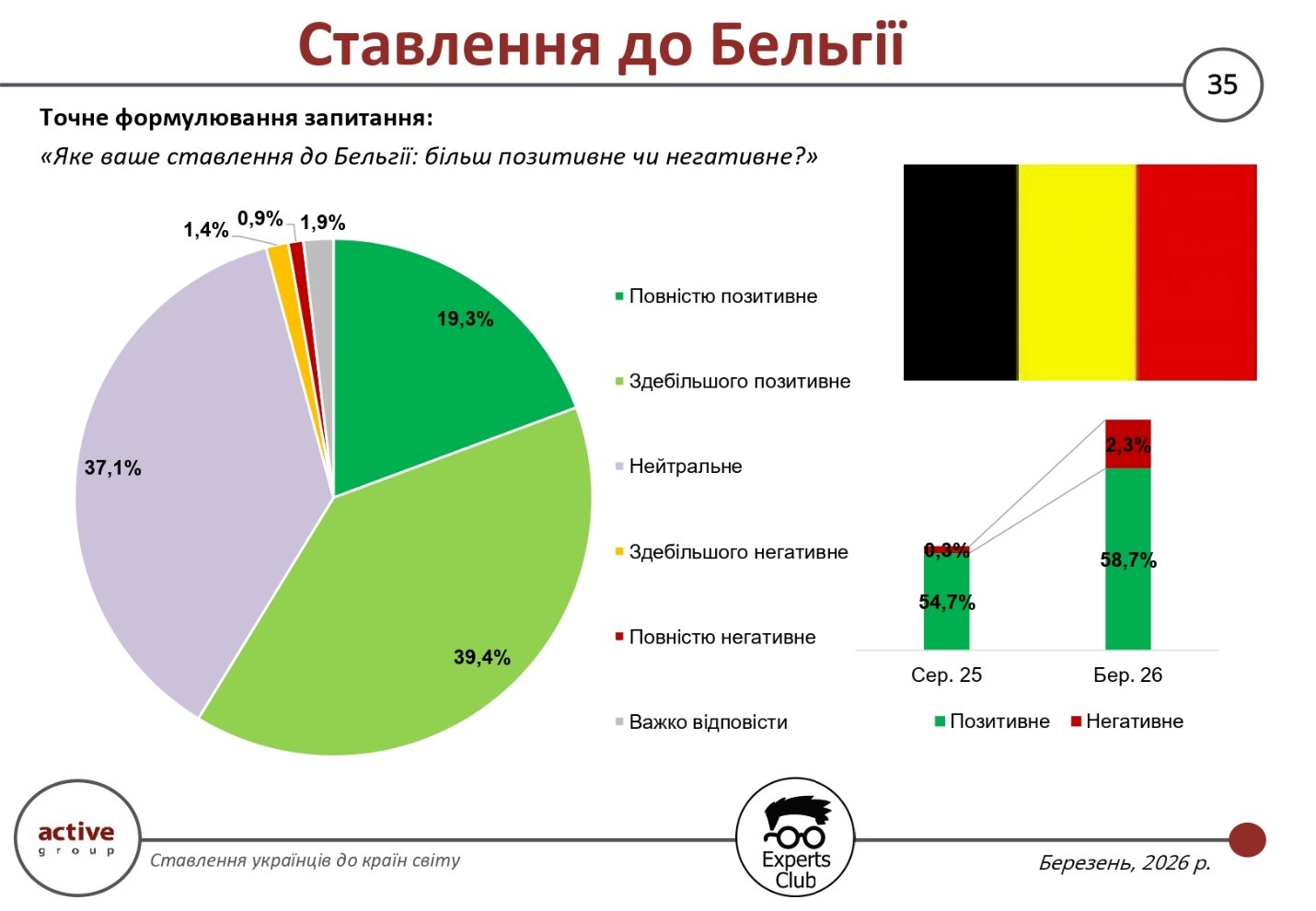
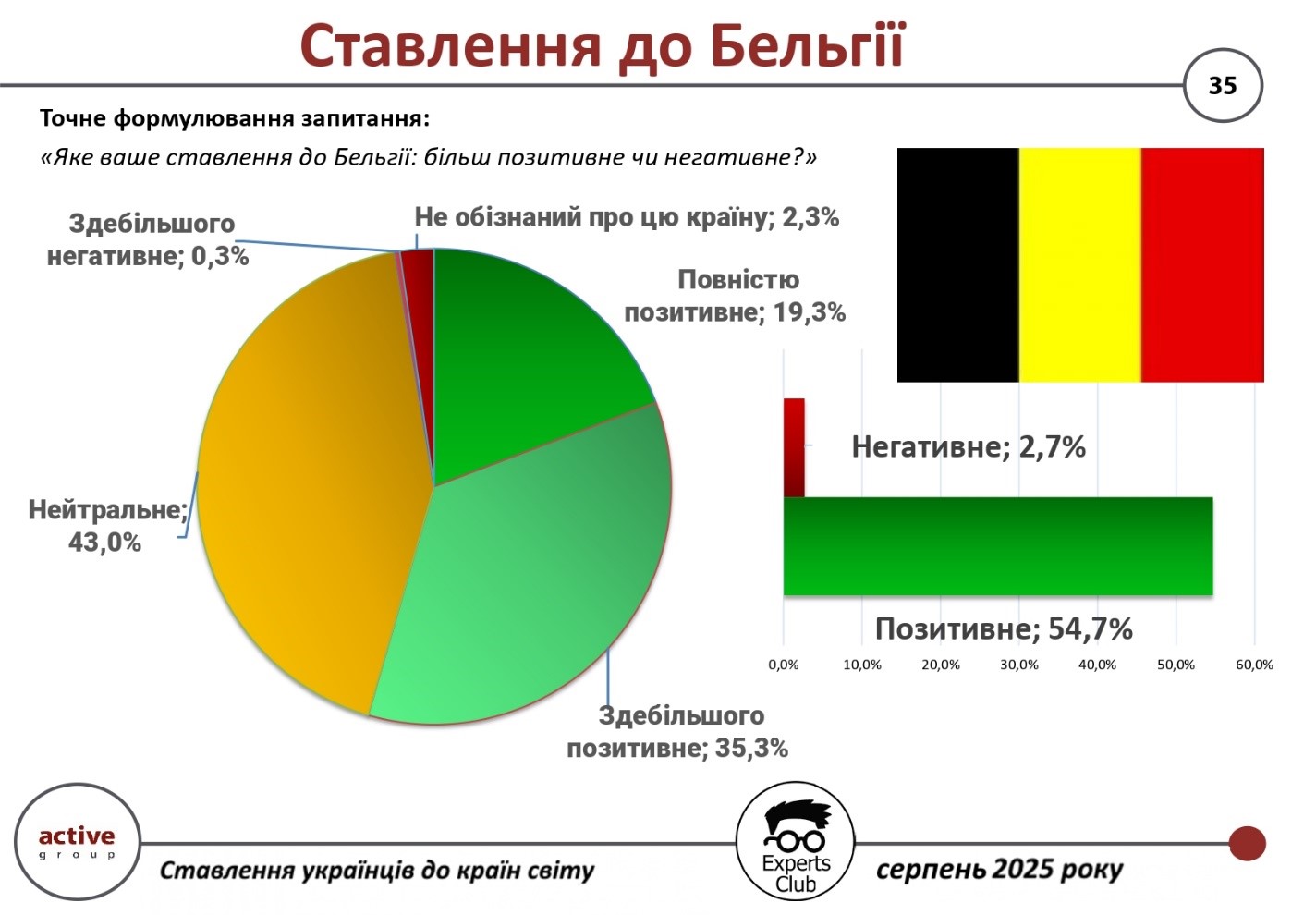
A sociological survey conducted in March 2026 by the research firm Active Group in collaboration with the Experts Club information and analytical center shows a consistently positive attitude among Ukrainians toward Belgium, with a noticeable upward trend. The share of positive assessments rose to 58.7% compared to 54.7% in August 2025. At the same time, the level of negative perception also increased slightly—from 0.3% to 2.3%—though it remains low overall.
The breakdown of responses indicates a predominance of moderately positive perceptions. 19.3% of respondents view Belgium entirely positively, while 39.4% selected the “mostly positive” option. At the same time, the share of neutral assessments remains significant—37.1%—indicating a limited level of formed perception of the country among Ukrainians.
Negative assessments are marginal: 1.4% of respondents indicated a mostly negative attitude, and another 0.9%—a completely negative one. The share of those who could not decide on an answer is 1.9%. This pattern of indicators suggests the absence of systemic negativity, but at the same time—insufficient intensity of informational or emotional interaction with this country.
In terms of trends, it is worth noting not only the growth in positive assessments but also a slight increase in negative ones. This may be linked to the general polarization of public opinion, where neutral positions are partially shifting toward more defined ones—both positive and negative. At the same time, the key trend remains the gradual strengthening of positive perceptions.
“Attitudes toward countries such as Belgium are shaped not so much by direct experience of interaction as by the broader European context and associations with the EU’s institutional role. When a country is associated with support for Ukraine at the level of politics, the economy, or humanitarian initiatives, this gradually translates into a rise in positive perception. At the same time, the high proportion of neutral responses indicates that the potential for strengthening this image is far from exhausted,” noted Maksym Urakin, founder of the Experts Club information and analytical center.
Thus, for Ukrainians, Belgium remains a country with a predominantly positive but not fully formed image. Further growth in positive attitudes will largely depend on the visibility of its role in supporting Ukraine, as well as on practical contacts in the spheres of the economy, education, and humanitarian cooperation.
According to a study conducted by the Experts Club Information and Analytical Center based on data from the State Customs Service, Belgium ranks 22nd in total trade volume with Ukraine, amounting to $1.29 billion. Imports of Belgian goods slightly exceed Ukrainian exports, so the bilateral trade balance remains negative.
The study was presented at the Interfax-Ukraine press center; the video can be viewed on the agency’s YouTube channel. The full version of the study can be found at this link on the Experts Club analytical center’s website.
ACTIVE GROUP, BELGIUM, EXPERTS CLUB, Pozniy, SOCIOLOGY, SURVEY, UKRAINE, URAKIN
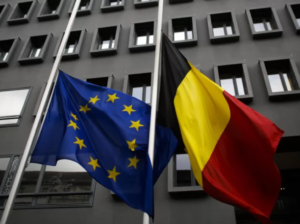
Belgium is demanding “independent” and “autonomous” guarantees from EU countries in exchange for its support for a loan to Ukraine using frozen Russian assets, Euractiv reports.
The documents, which are currently being discussed by EU ambassadors, come amid frantic efforts by the bloc to persuade Belgium to back the so-called reparations loan ahead of a crucial European Council summit in Brussels next week.
Euroclear, a securities depository headquartered in Brussels, holds the vast majority of the EUR210 billion in frozen assets that will be used to support Kyiv’s military efforts, making Belgium a key player in the EU negotiations.
In a series of amendments to the Commission’s legal proposal, which was first circulated to EU ambassadors last week, Belgium notes that the guarantees must be “independent and autonomous so that they remain in force even if the loan is declared invalid.”
Other key Belgian demands include: other EU states covering potential legal costs that Moscow may claim from any member state; EU capitals refraining from concluding new investment agreements with Russia and cancelling all existing agreements; and a number of other measures to protect Belgium from potential reprisals by Moscow.
Luxembourg and Belgium signed a bilateral investment agreement with the then USSR in 1989, which has not been revoked to date.
In addition, it requires that Euroclear itself “not be liable” for providing the reparations loan, and that its “directors be liable only in cases of gross negligence.”
The Russian Central Bank announced that it would file a lawsuit against Euroclear in a Moscow court on Friday.
Belgium has repeatedly criticized the Commission for continuing with the loan program and has called on other EU countries to support the issuance of joint debt obligations instead. However, the latter option is currently being blocked by Hungary, which is also strongly opposed to the loan program.
Ukrainians’ attitude towards Belgium is mostly positive, although a significant portion of respondents take a neutral position. This is evidenced by the results of a nationwide sociological survey conducted by Active Group in collaboration with Experts Club in August 2025.
According to the results, 54.7% of Ukrainians have a positive attitude towards Belgium (35.3% — mostly positive, 19.3% — completely positive). Only 2.7% of citizens expressed a negative attitude (0.3% — mostly negative, 0.3% — completely negative). At the same time, 43.0% of respondents remain neutral, and 2.3% said they do not have enough information about the country.
“Belgium is perceived by Ukrainians as an important member of the European Union and NATO, a country that consistently supports Ukraine on the international stage. At the same time, its relative remoteness and lack of deep historical ties account for the high proportion of neutral assessments,” explained Active Group founder Oleksandr Pozniy.
In turn, co-founder of Experts Club Maksim Urakin drew attention to the economic component of bilateral relations:
“In the first half of 2025, trade turnover between Ukraine and Belgium amounted to more than $584 million. Ukrainian exports amounted to about $235 million, while imports from Belgium exceeded $348 million. This resulted in a negative balance of $113.8 million, which highlights the Ukrainian market’s dependence on Belgian goods,” he emphasized.
The study is part of a broader project aimed at examining the international sympathies and antipathies of Ukrainians in 2025.
The full video can be viewed at: https://www.youtube.com/watch?v=YgC9TPnMoMI&t
You can subscribe to the Experts Club YouTube channel here: https://www.youtube.com/@ExpertsClub
ACTIVE GROUP, BELGIUM, DIPLOMACY, EXPERTS CLUB, Pozniy, SOCIOLOGY, TRADE, URAKIN
A large-scale international technical assistance project, the Belgian Initiative for the Recovery of Ukraine (BE-Relieve Ukraine), implemented by the Belgian government through the development agency Enabel, has officially started in Ukraine, the press service of the Ministry of Community and Territorial Development reports.
“BE-Relieve Ukraine is not just about technical assistance. It is a project aimed at a partnership between Ukraine and Belgium in the reconstruction of our country. The main principle of our cooperation is “To rebuild better than before.” BE-Relieve Ukraine will last until the end of 2028. During this time, Ukraine will receive €150 million from the Belgian Government to restore and maintain critical infrastructure, prepare for winter, and create an inclusive environment,” said Kostyantyn Kovalchuk, Deputy Minister of Communities and Territories Development.
The main areas of the project are the modernization of energy infrastructure, reconstruction of medical facilities, renovation of school and vocational education infrastructure, as well as promoting reforms and strengthening ties with Belgian partners.
Priority activities include the transfer of 212 generators for educational institutions, mobile boilers for hospitals and utilities, and the repair of medical infrastructure.



